
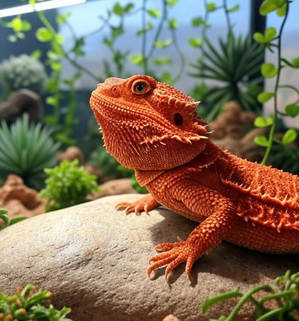
Red bearded dragons are among the most striking reptiles in the pet trade, captivating owners with their vibrant hues and unique personalities. Whether you’re drawn to their fiery red scales or curious about their care needs, this guide covers everything you need to know about these colorful Pogona vitticeps variants. From understanding red morph genetics to setting up the perfect enclosure, we’ll explore what makes these dragons so special and how to keep them thriving.
What Are Red Bearded Dragons?
Red bearded dragons aren’t a separate species but a color morph of the bearded dragon (Pogona vitticeps), selectively bred to enhance their red pigmentation. These morphs range from deep blood red to bright citrus shades, with names like “blood red bearded dragon” or “hypo red bearded dragon” reflecting their intensity or genetic traits. According to Dr. Emily Thompson, a reptile veterinarian, their vivid colors result from careful breeding to amplify natural pigments, making them a favorite among enthusiasts.
My own red bearded dragon, Blaze, is a citrus morph whose scales glow under proper lighting, almost like a living sunset. His color pops most when he’s healthy and basking, which highlights the importance of tailored care for these morphs. Red bearded dragons share the same core needs as other morphs but require specific attention to lighting and diet to maintain their vibrant hues.
Genetics Behind Red Morph Bearded Dragons
The red coloration in bearded dragons stems from selective breeding for specific genetic traits. Key terms to understand include:
- Hypomelanistic (Hypo): These dragons have reduced melanin, resulting in brighter, clearer reds.
- Translucent (Trans): Often paired with hypo traits, trans dragons have semi-transparent scales, enhancing color vibrancy.
- Het (Heterozygous): Dragons carrying a recessive gene for red traits, which may not show visually but can pass to offspring.
Breeding red bearded dragons requires pairing dragons with desirable traits, like a blood red bearded dragon with a hypo red. This process, while rewarding, demands caution. Overbreeding or pairing incompatible morphs can lead to health issues, as noted in a 2024 study by the Herpetological Society on morph-related genetic weaknesses. For more on morph breeding ethics, check our post on ethical concerns of breeding bearded dragon morphs.
As an Amazon Associate, I earn from qualifying purchases. For vibrant colors, proper UVB lighting is crucial. The Zoo Med ReptiSun 10.0 Mini Compact Fluorescent Lamp* provides excellent UVB output for smaller enclosures, while the Arcadia Pro T5 UVB Lighting Kit* suits larger setups, ensuring your dragon’s colors shine.
Setting Up the Perfect Red Bearded Dragon Enclosure
A proper enclosure is vital for red bearded dragon health and color vibrancy. Here’s a breakdown of essentials:
Tank Size and Setup
- Size: Adult red bearded dragons need at least a 40-gallon tank, but a 75-gallon Exo Terra Large Terrarium* offers ample space for climbing and basking.
- Substrate: Avoid loose substrates like calcium sand, which can cause impaction. Opt for reptile carpet or tile, as discussed in our substrate safety guide.
- Decor: Naturalistic decor like Fluker’s Repta Vines* or Zoo Med Natural Bush Plants* creates a stimulating environment without risking ingestion.
Lighting and Heating
Red morphs need precise lighting to enhance their colors and prevent metabolic bone disease (MBD). The Exo Terra Solar Glo Sun Simulating Lamp* combines UVB, UVA, and heat, mimicking natural sunlight. Place a Zoo Med Reptile Thermometer* to monitor the basking spot (95-105°F) and cool side (75-85°F). Dr. Thompson emphasizes replacing UVB bulbs every 6-12 months to maintain efficacy.
| Enclosure Component | Recommendation | Purpose |
|---|---|---|
| UVB Lighting | Zoo Med ReptiSun* or Arcadia T5* | Supports vitamin D3 synthesis, color vibrancy |
| Heat Source | Exo Terra Solar Glo* | Maintains proper basking temperatures |
| Decor | Fluker’s Repta Vines*, Zoo Med Bush Plants* | Encourages natural behavior, enrichment |
| Thermometer | Zoo Med Reptile Thermometer* | Ensures accurate temperature gradients |
Diet and Nutrition for Vibrant Red Bearded Dragons
A balanced diet is critical for maintaining the health and color of red phase bearded dragons. Their diet should include:
- Insects: Crickets, dubia roaches, and occasional Zilla Reptile Munchies* provide protein. Gut-load insects with nutrient-rich foods for maximum benefit.
- Greens: Collard greens, dandelion greens, and butternut squash are safe staples. Avoid spinach due to oxalate content, as noted in our safe vegetables guide.
- Supplements: JurassiCal Liquid* 2-3 times weekly to prevent calcium deficiencies, especially in growing dragons. Blaze loves his greens lightly misted with this supplement, which keeps his scales vibrant.
Red morphs may show dull colors if undernourished. A 2024 study from Reptile Nutrition Journal found that beta-carotene-rich foods (like carrots) can enhance red pigmentation in dragons with proper UVB exposure. Owners swear by the Bearded Dragon Care Checklist for tailored feeding schedules to keep colors popping.
Common Health Issues in Red Bearded Dragons
Red bearded dragons are prone to the same health issues as other morphs, but their vibrant colors can mask early signs. Watch for:
- Metabolic Bone Disease (MBD): Caused by insufficient UVB or calcium. Symptoms include soft jaws or tremors. Use JurassiCal Liquid* to maintain proper calcium levels.
- Dehydration: Look for sunken eyes or wrinkled skin. Ensure a shallow water dish is available, as discussed in our hydration tips.
- Shedding Issues: Red dragons may struggle with stuck shed, especially around the tail. Regular baths and proper humidity help.
Blaze once had a minor shed issue, resolved with a warm soak and gentle brushing. Always consult a vet, like Dr. Stephanie Nelk, for persistent issues. Regular vet visits, as outlined in our vet visit frequency guide, are key for morph-specific care.
Breeding Red Bearded Dragons: Tips and Considerations
Breeding red bearded dragons can produce stunning offspring but requires knowledge and responsibility. Here are key tips:
- Select Healthy Pairs: Choose dragons with strong genetics, avoiding those with known health issues. Our healthy breeding guide offers detailed advice.
- Incubation: Maintain eggs at 82-86°F using a reliable incubator. The ideal egg temperature guide is a great resource.
- Ethics: Avoid overbreeding or pairing morphs with risky genetics, as this can lead to deformities. A 2025 herpetology report warns against breeding hypo-trans dragons too young.
Breeding is rewarding but complex. Blaze’s breeder shared that his vibrant citrus hue came from pairing a hypo red with a trans dragon, a process that took years of careful selection.
Myths About Red Bearded Dragons
Let’s debunk common misconceptions:
- Myth: Red dragons need special diets for their color.
- Truth: A balanced diet with proper UVB lighting enhances color naturally. No “color-boosting” foods are required.
- Myth: Red morphs are more aggressive.
- Truth: Temperament varies by individual, not morph. Proper handling, as in our handling guide, ensures calmness.
- Myth: Red dragons are harder to care for.
- Truth: Their care mirrors standard bearded dragons, with emphasis on UVB and calcium.
Conclusion
Red bearded dragons, with their stunning hues and engaging personalities, are a joy to own. By providing a proper enclosure, balanced diet, and regular care, you can keep your dragon’s colors vibrant and health robust. Whether you’re a new owner or a seasoned enthusiast, tools like the Bearded Dragon Care Checklist simplify daily routines. Share your red beardie tips in the comments or ask about your setup—we’d love to hear from you!
BeardedBuddies.com collaborates with reptile experts to provide accurate, trustworthy care advice. This site participates in the Amazon Associates Program, earning from qualifying purchases.
About the Author
Dragon King, founder of BeardedBuddies.com, has raised bearded dragons for over seven years, with his red morph, Blaze, stealing the show. Once, Blaze’s fiery scales dulled slightly due to an old UVB bulb, sparking Dragon King’s mission to educate owners on proper lighting. Working with herpetologists and reptile vets, he shares practical advice to help dragon lovers worldwide keep their pets thriving. All tips are grounded in expert consultations and standard care practices.