
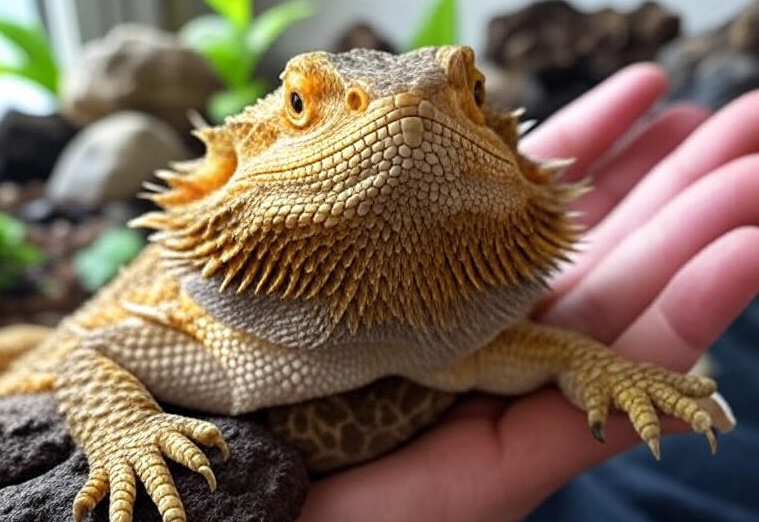
Bearded dragons have a way of winning over their owners with those curious stares and slow blinks, but getting them comfortable with handling can take some patience. If you’ve ever tried picking up your beardie only to get a puff of beard or a quick scamper away, you’re not alone—many new owners face this hurdle. The good news is that with the right approach, you can turn those tense moments into relaxed bonding sessions that strengthen your connection and make routine care like vet checks a breeze. This guide covers everything from building trust to spotting stress signs, with practical steps and tips drawn from years of reptile keeping. By the end, you’ll have the tools to make handling your bearded dragon smoother and more enjoyable for both of you.
Start with the Basics: Understanding Your Bearded Dragon’s Nature
Bearded dragons aren’t like cats or dogs that crave constant touch—they’re solitary reptiles from Australia’s deserts, where survival means staying alert to threats. That natural caution means they might see your hand as a predator at first, leading to defensive behaviors like flattening or running. Recognizing this helps set realistic expectations: Juveniles are often skittish, while adults mellow out with time.
To ease into handling, observe their body language. A relaxed dragon has a flat beard, bright eyes, and might even climb toward you. Signs of stress include black beards, puffed-up bodies, or hissing—back off if you see these to avoid building negative associations. Reptile vets like Dr. Stephanie Nelk point out that forcing interactions can heighten fear, so start slow in a quiet room during their active hours, usually mornings.
Building a routine is key. Begin with short sessions, just 5-10 minutes a day, gradually increasing as they warm up. Consistency turns handling into a normal part of their day, reducing surprises and fostering trust over weeks or months.
Building Trust Through Positive Associations
Trust doesn’t happen overnight, but pairing handling with good experiences speeds things up. One effective way is hand-feeding treats like small insects or veggies from your palm—this links your presence with rewards. Use tools like the Exo Terra Feeding Tongs* at first to keep distance, then transition to direct hand contact as they get bolder.
As an Amazon Associate, I earn from qualifying purchases.
Enrichment in the enclosure also plays a role. Items that encourage exploration, such as the Zoo Med Repti Hammock*, give them a sense of security and mental stimulation, making them less stressed overall. Climbing structures like the Fluker’s Bamboo Bars* build physical confidence, which carries over to handling by making them more adaptable.
Supplement their diet with something like the Rep-Cal Herptivite Multivitamin* to keep them healthy and energetic— a well-nourished dragon is more likely to engage positively. Avoid punishing bad reactions; instead, end sessions on a high note with a treat or gentle stroke.
Proper Handling Techniques Step by Step
Mastering the pickup is crucial to avoid injuries or escapes. Approach from the side, not above, to mimic less threatening movements. Scoop under their belly with one hand supporting the chest and front legs, the other cradling the hindquarters—never grab the tail, as it can break off in defense.
Once lifted, hold them close to your body for security, letting them perch on your arm or chest. Keep sessions short at first, watching for wiggling as a cue to set them down. For out-of-tank time, a safe play area like the Zilla Fresh Air Screen Habitat* provides a contained space to explore while you supervise, turning handling into play.
Practice in low-stress environments, free from loud noises or other pets. If they squirm, gently restrain without squeezing, and reward calm behavior. Over time, this technique builds their tolerance and your confidence.
Here’s a quick table outlining handling stages by age:
| Dragon Age | Handling Frequency | Duration | Focus |
|---|---|---|---|
| Baby (0-4 months) | 2-3 times/week | 5 minutes | Gentle support, no high lifts |
| Juvenile (4-12 months) | Daily | 10-15 minutes | Building trust with treats |
| Adult (1+ years) | As needed | 20+ minutes | Routine checks and bonding |
This progression helps tailor your approach, ensuring steady improvement without overwhelming your pet.
Spotting and Reducing Stress During Handling
Stress can derail progress, so learning the signs keeps things on track. Beyond the obvious like beard blackening, watch for rapid breathing, closed eyes, or tail twitching—these mean it’s time to pause. Causes might include cold hands, sudden movements, or health issues, so check enclosure temps (basking 95-110°F, cool side 75-85°F) before sessions.
To minimize stress, handle after they’ve warmed up under their lights, and use a soft towel for extra grip if they’re slippery. If your dragon is particularly shy, desensitize them by placing your hand in the tank daily without picking up, gradually moving closer.
For persistent issues, a vet visit rules out underlying problems like parasites. Dr. Nelk notes that stressed dragons might refuse food or hide more, so addressing root causes—like an undersized tank—can make handling easier long-term.
Common Mistakes and How to Avoid Them
Even experienced owners slip up sometimes. One big error is rushing the process, leading to bites or scratches—always let your dragon set the pace. Another is inconsistent handling, which confuses them; stick to a schedule.
Ignoring hygiene is risky too—wash hands before and after to prevent salmonella spread. Don’t handle during shedding or brumation, as they’re more irritable then. And avoid dangling them by limbs; proper support prevents joint strain.
By steering clear of these pitfalls, you’ll create positive experiences that make future interactions smoother.
Advanced Tips for Confident Handling
Once basics are down, level up with advanced tricks. Teach “target training” by using a stick or finger to guide them onto your hand for treats, building voluntary cooperation. Introduce new environments gradually, like short outdoor sessions in a harness for sunshine exposure.
Group handling with family members works if everyone follows the same rules, preventing mixed signals. Track progress in a journal, noting improvements to stay motivated.
If you’re worried about routine slip-ups, the Bearded Dragon Care Checklist generates a tailored PDF with handling reminders based on your dragon’s age—owners rave about how it keeps things organized. Pair it with a simple tip: Always end sessions with a favorite snack to leave a good impression.
Conclusion: Enjoy the Bond with Your Bearded Dragon
Making handling easier boils down to patience, positive reinforcement, and reading your dragon’s cues. With these steps, you’ll go from hesitant pickups to chill cuddle sessions that benefit both your pet’s socialization and your peace of mind. What’s your biggest handling challenge, or a tip that’s worked wonders? Share in the comments—let’s help each other out!
For more setup ideas, the Bearded Dragon Enclosure Calculator offers custom recommendations on space and accessories to support stress-free handling—few tools make planning this straightforward.
BeardedBuddies.com collaborates with reptile experts to provide accurate, trustworthy care advice. This site participates in the Amazon Associates Program, earning from qualifying purchases.
About the Author
I’m Dragon King, founder of BeardedBuddies.com and a dedicated reptile keeper with over seven years of experience. My dragon Blaze, pushing nine now, was a real handful as a juvenile—he’d puff up every time I reached in until I started with treat sessions on my hand. That breakthrough turned him into a lap lizard who loves shoulder rides. Lessons like that, combined with input from herpetologists like Dr. Stephanie Nelk, guide my advice. All tips here come from hands-on practice and established reptile standards to help you build that special bond with your beardie.