
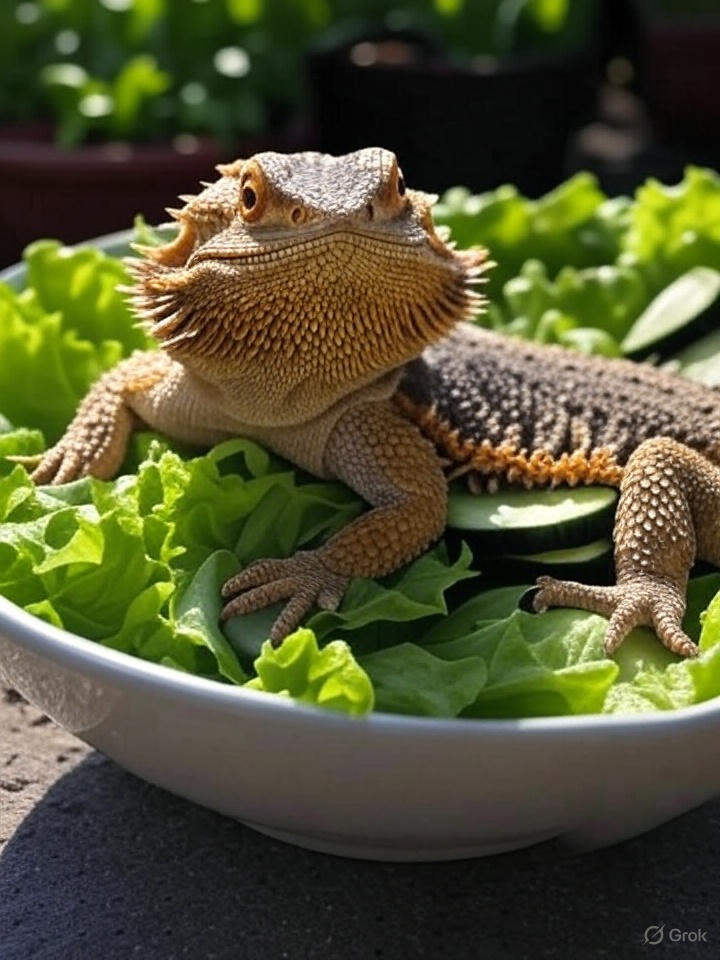
Bearded dragons are incredible pets, but their health hinges on what you put in their bowl. As omnivores, these lizards need a balanced diet of insects, greens, and vegetables to thrive, with veggies providing vital nutrients like fiber and vitamins. Whether you’re a new beardie owner or looking to refine your feeding routine, this guide lists safe vegetables for bearded dragons, explains how to prepare them, and shares practical tips to avoid common mistakes. Let’s dive into crafting a diet that keeps your dragon happy and healthy.
Why Vegetables Matter in a Bearded Dragon’s Diet
Vegetables aren’t just a side dish—they’re essential for hydration, digestion, and long-term health. Adult bearded dragons should get 70-80% of their diet from plant matter, including safe vegetables for bearded dragons, while juveniles lean more on insects for protein. The best veggies help prevent issues like metabolic bone disease by delivering calcium and other minerals. But not all vegetables are safe—some, with high oxalates or goitrogens, can disrupt nutrient absorption if overfed.
Choosing the right veggies means focusing on those with a solid calcium-to-phosphorus ratio (ideally 1:1 or higher) to support bone health. Rotating options keeps your dragon engaged and ensures a wide range of nutrients. Fresh, organic veggies are ideal to avoid pesticides, and a little prep goes a long way in making meals both safe and appealing.
To boost nutrition, dusting veggies with a supplement is a must. As an Amazon Associate, I earn from qualifying purchases. Many owners swear by Zoo Med Repti Calcium with D3* for its fine powder that coats veggies evenly, solving the worry of calcium deficiencies that can plague beardies.
List of Safe Vegetables for Bearded Dragons
Here’s a detailed list of vegetables safe for bearded dragons, backed by vet and herpetologist recommendations. I’ve noted how often to feed them and their nutritional benefits. Variety is key—don’t rely on just one or two.
This table summarizes top safe veggies, their calcium-to-phosphorus ratios, and feeding frequency for your bearded dragon diet:
| Vegetable | Calcium:Phosphorus Ratio | Feeding Frequency | Notes |
|---|---|---|---|
| Bell Peppers (raw) | 1:2.3 | 2-3 times/week | Colorful and hydrating; remove seeds. |
| Bok Choy | 2.8:1 | Daily staple | Low oxalates; great for calcium. |
| Collard Greens | 14.5:1 | Daily staple | Excellent calcium source; chop finely. |
| Mustard Greens | 2.4:1 | 3-4 times/week | Nutritious but slightly bitter. |
| Turnip Greens | 4.5:1 | Daily staple | High in vitamins A and C. |
| Dandelion Greens | 2.8:1 | 2-3 times/week | Forage if pesticide-free. |
| Endive/Escarole | 1.9:1 | Daily staple | Mild flavor; easy to digest. |
| Squash (butternut/zucchini) | 1:1.5 | 2-3 times/week | Raw and grated for texture. |
| Carrots (raw) | 0.9:1 | Occasional (1-2/week) | High in vitamin A; use sparingly. |
| Green Beans | 1:1 | 2-3 times/week | Crunchy and fiber-rich. |
This table highlights staples and moderate options for your bearded dragon feeding guide. Always wash thoroughly and chop into bite-sized pieces to prevent choking. Limit goitrogenic veggies like broccoli or cabbage, which can affect thyroid function if fed daily.
Other safe choices include arugula, cactus pads (nopales, spines removed), celery (leaves included), cucumber (hydrating but low nutrition), and sweet potatoes (cooked, occasional). Avoid toxic options like onions, garlic, rhubarb, or high-oxalate foods like spinach and beet greens, which bind calcium and harm your dragon’s health.
For picky dragons, a little flavor boost can make veggies irresistible. Products like Nature Zone Bearded Dragon Salad Dressing* are a game-changer—owners report it turns even the fussiest eaters into veggie lovers, addressing the common pain point of getting dragons to eat their greens.
How to Prepare and Serve Vegetables
Proper prep makes veggies both safe and enticing. Wash thoroughly under running water to remove dirt or pesticides. Chop or grate into small pieces—about the size of your dragon’s eye for juveniles, slightly larger for adults. Mixing 3-4 veggies creates a varied salad that mimics natural foraging.
Serve in a sturdy dish to keep things clean and encourage eating. The REPTIZOO Reptile Water Bowl* is a favorite among keepers for its spacious design, perfect for veggie salads. For larger enclosures, the REPTIZOO Reptile Water Bowl (Large)* offers the same durability with extra room, making it a versatile choice for bigger dragons.
Dust veggies with Zoo Med Repti Calcium with D3* 3-5 times a week to ensure your dragon gets enough calcium—crucial for preventing metabolic bone disease. This product’s popularity comes from its reliability and ease of use, giving owners peace of mind. For extra appeal, drizzle a bit of Nature Zone Bearded Dragon Salad Dressing* to entice picky eaters. It’s a hard-to-find solution that makes feeding less stressful.
Offer veggies daily, removing uneaten portions after a few hours to prevent spoilage. A pro tip: High-water-content veggies like cucumber aid hydration but shouldn’t replace a proper water source.
Feeding Frequency and Portion Sizes
Portion sizes depend on your dragon’s age and size. Babies (under 4 months) need mostly insects with a small veggie introduction. Juveniles (4-12 months) shift to 50% veggies, while adults should eat plant-heavy, with veggies making up a big chunk of their diet.
A simple guideline: Offer a salad the size of your dragon’s head daily. Monitor weight and behavior—if your beardie seems sluggish or has loose stools, tweak the veggie mix. Too many watery veggies can cause diarrhea, so balance with fibrous options like collards.
Supplements are critical: Use Zoo Med Repti Calcium with D3* 3-5 times weekly and a multivitamin 1-2 times. This trusted supplement is a go-to for preventing nutrient gaps, especially for owners worried about their dragon’s bone health. Always consult a reptile vet for tailored advice if your dragon has specific needs.
Q&A: Common Questions About Bearded Dragon Vegetables
Q: Can bearded dragons eat broccoli every day?
A: No, limit broccoli to once or twice a week. It contains goitrogens that can disrupt thyroid function if overfed, but in moderation, it’s a good source of vitamins.
Q: Are carrots safe, and how should I prepare them?
A: Yes, carrots are safe occasionally. Grate them raw to avoid choking, and don’t overdo it due to high vitamin A, which can build up.
Q: What about kale—is it a staple or treat?
A: Kale can be fed 2-3 times a week. Recent studies show it’s not as high in oxalates as once thought, making it a solid choice for variety.
Q: Can I feed my beardie store-bought salad mixes?
A: Sure, but check ingredients. Avoid mixes with iceberg lettuce (low nutrition) or spinach. Opt for spring mix with endive and arugula for convenience.
Q: How do I know if a vegetable is causing digestive issues?
A: Watch for signs like runny poop or bloating. Introduce new veggies one at a time and observe. If problems persist, see a reptile vet.
Q: Are frozen vegetables okay?
A: Thawed and raw, yes, but fresh is preferable for texture and nutrients. Avoid canned due to additives.
Q: What’s the best way to store veggies for freshness?
A: Keep in the fridge’s crisper drawer, wrapped in damp paper towels. Use within 3-5 days to maintain crispness.
These answers tackle common concerns, helping you navigate your bearded dragon diet with confidence.
Conclusion
Feeding your bearded dragon safe vegetables is about balance, variety, and careful prep. Use the lists and tips here to support a vibrant, healthy life for your scaly companion. Try mixing veggies to see what your dragon loves—mine can’t resist bell peppers with a sprinkle of Nature Zone Bearded Dragon Salad Dressing*. Share your favorite veggie combos or feeding hacks in the comments below. Let’s keep those dragons thriving!
About the Author
Dragon King here, founder of BeardedBuddies.com and a reptile enthusiast with over seven years raising bearded dragons. My five-year-old dragon, Blaze, has taught me plenty—like how he refused collards until I tried Zoo Med Repti Calcium with D3* to make them more appealing. I work with experts like Dr. Stephanie Nelk, a reptile veterinarian, to deliver reliable, practical advice. My mission is to connect beardie owners worldwide with tips to create thriving habitats.
BeardedBuddies.com collaborates with reptile experts to provide accurate, trustworthy care advice. This site participates in the Amazon Associates Program, earning from qualifying purchases.