
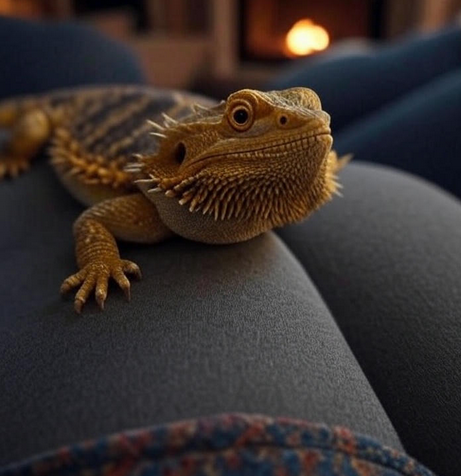
Bearded dragons might seem like laid-back reptiles, content to bask under a heat lamp or munch on greens, but these little guys pack some surprising skills that often go unnoticed. From clever problem-solving to impressive communication tricks, your beardie could be hiding a whole set of talents right under your nose. In this post, we’ll uncover those hidden abilities, share tips on how to spot them, and suggest ways to encourage your dragon to show off. Whether you’re a new owner or a seasoned keeper, understanding these traits can deepen your bond and make care more fun. Let’s jump in and explore the unique world of bearded dragon behaviors.
The Secret Intelligence of Bearded Dragons
Many people think of reptiles as simple creatures, but bearded dragons show a level of smarts that rivals some mammals. They can learn routines quickly, like recognizing feeding times or even their owner’s voice. Studies from herpetologists point out that beardies use memory to navigate their enclosures, remembering where hides or food spots are. This isn’t just instinct; it’s adaptive learning that helps them thrive.
One hidden talent is their problem-solving ability. Put a treat under a small object, and watch your dragon figure out how to nudge it aside. Owners often miss this because it happens during playtime or enrichment activities. To bring it out, try puzzle feeders or simple obstacles in their tank. Dr. Stephanie Nelk, a reptile vet, notes that stimulating their brains prevents boredom and reduces stress behaviors like glass surfing.
Their observational skills are another gem. Beardies watch everything around them, picking up on patterns. If you always approach from one side before handling, they’ll anticipate it and relax faster. This talent ties into their survival instincts but shines in captivity when they start “training” you back, like head-bobbing to signal hunger.
Communication Skills Beyond the Beard
Bearded dragons aren’t vocal like dogs or cats, but they have a rich body language that’s easy to overlook. Their famous beard puffing is just the start—it’s a display for intimidation or excitement, but they also use subtle cues. Arm waving, for example, is a submissive gesture, often seen in juveniles acknowledging dominance. This “wave” can be a talent for de-escalating conflicts in multi-dragon setups.
Head bobbing is another trick, varying in speed to convey different messages: fast for aggression, slow for courtship. Females might even bob back during mating season, showing they’re in tune. Owners swear by watching these signals to gauge mood, turning routine checks into interactive sessions.
Then there’s the eye contact game. Beardies can hold a stare that feels almost human, using it to communicate interest or wariness. In the wild, this helps spot predators, but at home, it builds trust. If your dragon closes its eyes slowly while you’re near, that’s a sign of relaxation—a hidden talent for showing affection in their own way.
Athletic Prowess and Exploration Talents
Don’t let their chill vibe fool you; bearded dragons are natural athletes with climbing and digging skills that amaze. In Australia, they scale trees and burrow to escape heat, and this translates to tank life. Provide branches or rocks, and you’ll see them climb with precision, using their strong claws and tail for balance.
Digging is a standout talent, especially for females preparing to lay eggs. Even males dig to cool off or create hides. This behavior reveals their engineering side— they’ll reshape substrate into perfect spots. To encourage it, use safe bedding that allows burrowing without impaction risks.
Exploration is where their curiosity shines. Let them roam a safe room, and they’ll investigate every corner, sniffing and tasting. This talent for foraging mimics hunting, keeping them active. Just watch for hazards, as their bold nature can lead to funny escapades, like scaling curtains.
Sensory Superpowers You Might Miss
Bearded dragons have senses tuned for survival, starting with their third eye—a parietal eye on their head that detects light changes and shadows. This helps them sense predators overhead, a talent that makes them twitch at sudden movements above the tank.
Their tongue is a superpower too, flicking out to “taste” the air via Jacobson’s organ. This vomeronasal sense picks up scents we can’t, guiding them to food or mates. In captivity, it helps them recognize you, adding to that personal bond.
Color vision is another hidden gem. They see a wider spectrum than humans, including UV, which makes their world vibrant. This talent explains why they react to certain lights or decor. Proper UVB setup brings this out, letting them bask effectively and show natural colors.
| Talent | Description | How to Encourage | Signs to Watch For |
|---|---|---|---|
| Problem-Solving | Figuring out puzzles or obstacles for treats | Use food puzzles or hides | Nudging objects, persistent tries |
| Communication | Body language like waving or bobbing | Interact daily, observe responses | Subtle gestures during handling |
| Climbing/Digging | Athletic moves for exploration | Add branches and diggable substrate | Scaling decor or burrowing |
| Sensory Detection | Using third eye or tongue for awareness | Provide varied scents and lights | Flicking tongue, alert postures |
This table breaks down some common hidden talents, with practical ways to spot and nurture them in your bearded dragon.
Health and Care Ties to Uncovering Talents
Spotting these talents often ties into better care. For example, a dragon that’s not climbing might lack energy from poor lighting. As an Amazon Associate, I earn from qualifying purchases. A solid option like the Zoo Med ReptiSun 10.0 UVB T5 Lamp* mimics natural UV, boosting their sensory and athletic skills—owners love how it perks up basking behaviors.
Hides encourage exploration talents. The Exo Terra Tortoise Cave* gives a natural spot for digging play, reducing stress and revealing problem-solving.
Feeding routines highlight foraging. The Fluker’s Cricket Quencher* hydrates insects, making hunts more engaging and showcasing their tongue talent.
For digging, the Zilla Reptile Terrarium Bedding* allows safe burrowing, letting females practice egg-laying instincts.
Worried about tracking behaviors? The Bearded Dragon Care Checklist generates personalized PDFs for tasks like “observe daily talents.” Few tools offer such custom options, and it solves the chaos of forgetting enrichment.
The Bearded Dragon Quiz tests your knowledge on these traits, earning fun titles—perfect for new owners to gauge understanding.
Busting Myths About Bearded Dragon Myths
Some think beardies are “dumb,” but their talents prove otherwise. Myth: They don’t recognize owners. Truth: They do, via that sensory tongue. Myth: They’re lazy. Reality: They’re opportunistic, saving energy but bursting into action when stimulated.
Encouraging talents prevents issues like lethargy. Consult herpetologists for tailored advice, ensuring your setup matches their needs.
Conclusion
Your bearded dragon’s hidden talents waiting to shine, from smart problem-solving to sensory feats. By observing and providing the right environment, you’ll uncover these skills and strengthen your bond. Tried any enrichment? Share in the comments—what’s your beardie’s best trick? Give these tips a go and watch the magic unfold.
About the Author
Dragon King here, founder of BeardedBuddies.com and a dragon lover with over seven years of experience. My beardie Blaze once puzzled his way out of a makeshift hide to snag an extra cricket, showing off his clever side that I almost missed. We’ve teamed up with herpetologists to bring reliable tips, helping owners spot these talents in their pets. All advice draws from hands-on care and expert insights to connect dragon keepers everywhere.
BeardedBuddies.com collaborates with reptile experts to provide accurate, trustworthy care advice. This site participates in the Amazon Associates Program, earning from qualifying purchases.