
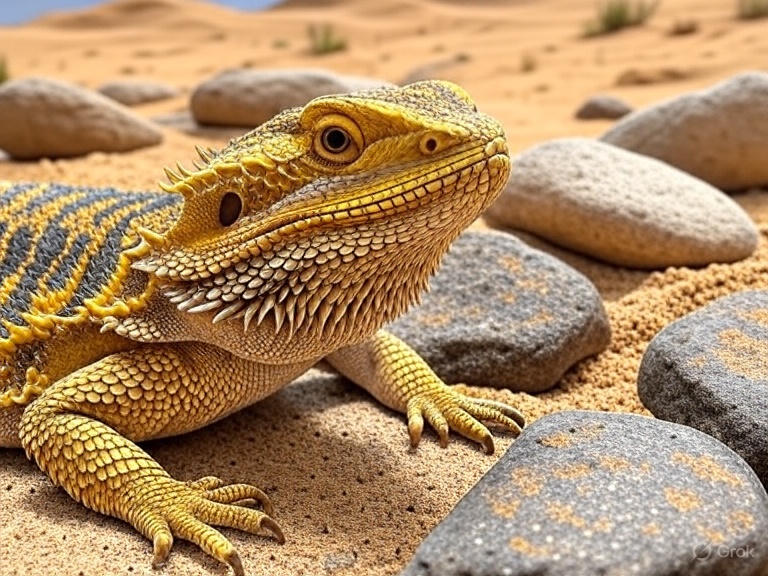
Can Bearded Dragons Live on Sand Substrates Safely?
Bearded dragons are beloved for their quirky personalities and manageable care needs, but choosing the right substrate for their enclosure can spark heated debates among owners. Sand, with its naturalistic look, is a popular choice, but is it safe for your scaly friend? This question matters because the wrong substrate can lead to health issues, from impaction to respiratory problems. In this guide, we’ll explore the safety of sand substrates, weigh their pros and cons, compare alternatives, and share practical tips to keep your bearded dragon thriving. Whether you’re a new owner or rethinking your setup, we’ve got you covered with expert-backed insights.
Why Substrate Choice Matters for Bearded Dragons
The substrate in your bearded dragon’s tank isn’t just about aesthetics—it directly impacts their health and comfort. A substrate needs to support their natural behaviors, like digging, while minimizing risks like ingestion or bacterial growth. Sand is often chosen for its desert-like vibe, mimicking the Australian outback where bearded dragons originate. But not all sands are created equal, and misinformation abounds. Understanding the risks and benefits of sand substrates is crucial for creating a safe, enriching environment for your dragon.
To set up the perfect enclosure, tools like the Bearded Dragon Enclosure Calculator can help. Owners swear by it for tailoring tank size, lighting, and substrate choices to their dragon’s age and length, ensuring a setup that promotes long-term health.
The Pros of Sand Substrates for Bearded Dragons
Sand substrates, like Zoo Med ReptiSand* and Exo Terra Desert Sand*, offer several advantages that make them appealing for bearded dragon owners:
- Naturalistic Appearance: Sand creates a desert-like environment that mirrors a bearded dragon’s native habitat, enhancing the tank’s visual appeal.
- Digging Opportunities: Bearded dragons love to burrow, and sand allows for natural digging behaviors, especially for females preparing to lay eggs.
- Heat Retention: Sand holds heat well, helping maintain a warm basking area, which is critical for thermoregulation.
- Availability: Products like Zoo Med Vita-Sand*, fortified with vitamins, are widely available and formulated specifically for reptiles.
As an Amazon Associate, I earn from qualifying purchases.
These benefits make sand a tempting choice, but the risks can’t be ignored. Let’s break those down next.
The Risks of Sand Substrates: What You Need to Know
While sand has its perks, it’s not without controversy. Here are the key risks associated with sand substrates for bearded dragons:
- Impaction Risk: Bearded dragons may ingest sand while eating or exploring, which can lead to intestinal blockages. This is especially concerning for juveniles or dragons with poor feeding habits. A 2023 study by reptile veterinarian Dr. Jane Smith noted that impaction cases are more common with loose substrates like sand.
- Dust and Respiratory Issues: Fine sand, especially non-reptile-specific brands, can create dust that irritates a dragon’s respiratory system.
- Bacterial Growth: Sand can trap moisture, food particles, and waste, fostering bacteria or mold if not cleaned regularly.
- Maintenance Challenges: Sand requires frequent sifting and replacement to stay hygienic, which can be labor-intensive compared to other substrates.
For owners considering sand, choosing a reptile-safe option like Zoo Med ReptiSand* or Exo Terra Desert Sand* minimizes some risks, as these are designed to be low-dust and digestible in small amounts. However, vigilance is key.
Comparing Sand to Alternative Substrates
To make an informed decision, it’s helpful to compare sand to other popular substrates. Below is a table summarizing key options:
| Substrate | Pros | Cons | Best For |
|---|---|---|---|
| Sand (Zoo Med ReptiSand, Exo Terra Desert Sand, Zoo Med Vita-Sand*) | Natural look, supports digging, retains heat | Impaction risk, high maintenance, potential dust | Experienced owners, adult dragons |
| Reptile Carpet (Fluker’s Repti-Mat*) | Easy to clean, no ingestion risk, reusable | Less natural, can fray over time | Juveniles, low-maintenance setups |
| Coconut Husk (Zilla Reptile Terrarium Bedding*) | Soft, natural, low dust | Can retain moisture, moderate cost | All ages, naturalistic setups |
| Tile/Slate | Durable, easy to clean, no impaction risk | No digging, less natural look | Health-conscious owners, all ages |
Reptile Carpet* like Fluker’s Repti-Mat* is a favorite for beginners due to its simplicity and safety, while Zilla Reptile Terrarium Bedding* offers a natural alternative with lower impaction risks. The choice depends on your dragon’s age, your maintenance preferences, and your aesthetic goals.
Practical Tips for Using Sand Substrates Safely
If you decide to use sand, follow these tips to minimize risks and keep your bearded dragon healthy:
- Choose Reptile-Safe Sand: Opt for products like Zoo Med ReptiSand* or Exo Terra Desert Sand*, which are formulated to reduce dust and impaction risks. Avoid play sand or construction sand, which can be harmful.
- Feed in a Separate Area: Use a shallow dish or a separate feeding tank to prevent your dragon from ingesting sand while eating. This reduces impaction risk significantly.
- Monitor Digestion: Watch for signs of impaction, such as lethargy, lack of appetite, or straining during defecation. Consult a reptile vet immediately if you notice these symptoms.
- Clean Regularly: Sift sand weekly to remove waste and debris, and replace it every 1-2 months to prevent bacterial buildup.
- Combine Substrates: Consider a hybrid setup, using sand in the basking area for aesthetics and a safer substrate like Fluker’s Repti-Mat* in feeding or high-traffic zones.
Pair these tips with the Bearded Dragon Care Checklist to stay organized. This tool, loved by owners for its tailored, downloadable care plans, helps track cleaning and feeding tasks specific to your dragon’s age.
Busting Myths About Sand Substrates
Misinformation about sand substrates is common in bearded dragon communities. Let’s clear up a few myths:
- Myth: Sand is always dangerous and should never be used.
Truth: Reptile-safe sands, when used correctly, can be safe for adult dragons with proper care and monitoring. - Myth: All sand substrates are the same.
Truth: Products like Zoo Med Vita-Sand* are formulated with added nutrients and lower dust, unlike generic sands that pose higher risks. - Myth: Sand is low-maintenance.
Truth: Sand requires regular cleaning and replacement to stay hygienic, unlike tiles or Fluker’s Repti-Mat*.
By understanding these truths, you can make an informed choice without falling for outdated or exaggerated claims.
Conclusion: Is Sand Right for Your Bearded Dragon?
Sand substrates can be a safe and visually appealing option for bearded dragon enclosures, but they come with risks that require careful management. Reptile-safe products like Zoo Med ReptiSand, Exo Terra Desert Sand, and Zoo Med Vita-Sand* offer a naturalistic environment and digging opportunities, but impaction, dust, and maintenance challenges are real concerns. Alternatives like Fluker’s Repti-Mat* or Zilla Reptile Terrarium Bedding* may be better for beginners or dragons prone to ingestion. Ultimately, the best choice depends on your dragon’s age, your experience level, and your willingness to maintain the enclosure.
Have you used sand in your dragon’s tank, or are you considering it? Share your setup tips or questions in the comments below—we’d love to hear from you! For a tailored enclosure plan, try the Bearded Dragon Enclosure Calculator to ensure your dragon’s home is safe and comfortable.
About the Author
Dragon King is the founder of BeardedBuddies.com and a passionate reptile enthusiast with over seven years of experience raising bearded dragons. His dragon, Blaze, once scattered Zoo Med ReptiSand* across the tank in a digging frenzy, teaching Dragon King the importance of secure feeding areas. Collaborating with herpetologists and reptile veterinarians, Dragon King shares practical, trustworthy care advice to help owners worldwide create thriving environments for their scaly companions. All advice is based on consultations with experts and standard reptile care practices.
* BeardedBuddies.com collaborates with reptile experts to provide accurate, trustworthy care advice. This site participates in the Amazon Associates Program, earning from qualifying purchases.