
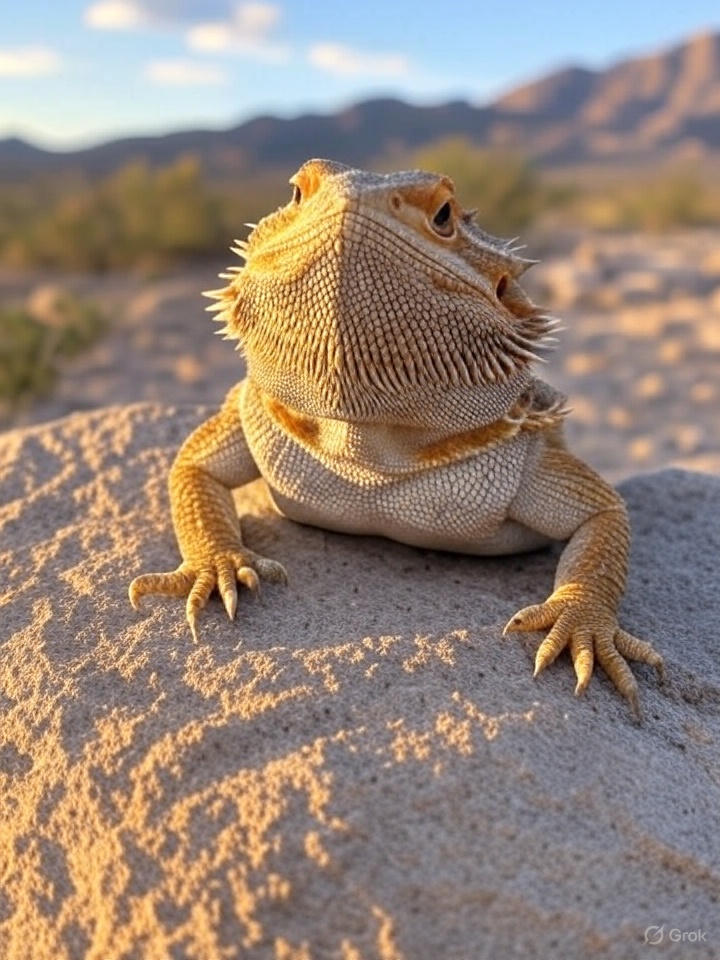
How to Identify a Healthy Bearded Dragon for Breeding
Breeding bearded dragons can be a rewarding journey, but it starts with selecting healthy, robust individuals. A healthy bearded dragon ensures strong offspring and minimizes complications during breeding. Whether you’re a seasoned breeder or a first-timer, knowing what to look for—physically, behaviorally, and environmentally—is key. In this guide, we’ll walk you through the essential signs of a healthy bearded dragon, from vibrant eyes to proper weight, and share practical tips to set you up for breeding success. Let’s get started on building the next generation of scaly superstars.
Why Health Matters for Breeding Bearded Dragons
Breeding requires bearded dragons to be in peak condition. Unhealthy dragons may struggle with egg production, mating, or raising viable hatchlings. Poor health can also lead to weak offspring or complications like egg binding, which can be life-threatening. By choosing dragons with strong physical and behavioral traits, you increase the chances of successful breeding and healthy babies.
Health assessments go beyond a quick glance. You’ll need to evaluate physical appearance, behavior, diet, and habitat conditions. Tools like the Pet Scale for Small Animal* help monitor weight, a critical indicator of breeding readiness. As an Amazon Associate, I earn from qualifying purchases. Let’s break down the key factors to look for.
Physical Signs of a Healthy Bearded Dragon
A healthy bearded dragon looks and feels robust. Here’s what to check:
- Eyes: Clear, bright, and free of discharge. Sunken or cloudy eyes may indicate dehydration or illness.
- Skin and Scales: Smooth, vibrant scales with no discoloration, sores, or retained shed. Healthy dragons shed evenly, especially around the tail and toes.
- Body Condition: A well-proportioned body—not too thin or overly fat. The spine shouldn’t protrude, and the belly should feel firm, not bloated. Use a Pet Scale for Small Animal* to confirm a healthy weight (typically 350-600 grams for adults, depending on size and sex).
- Tail and Limbs: A thick, rounded tail base indicates good fat reserves, essential for breeding energy. Limbs should be strong, with no swelling or deformities.
- Mouth and Teeth: No signs of mouth rot (yellowish buildup or sores). Acrodont teeth should be intact, as dental issues can affect eating.
Regular weigh-ins with a reliable scale ensure your dragon maintains a healthy weight, especially during breeding season when energy demands spike.
Behavioral Indicators of Breeding Readiness
A healthy bearded dragon is active and alert, showing behaviors that signal breeding potential:
- Activity Level: Diurnal and responsive during the day, basking regularly under a Zoo Med ReptiSun UVB Bulb* to regulate body temperature. Lethargy or hiding may indicate stress or illness.
- Appetite: A strong appetite for a balanced diet of insects (e.g., dubia roaches) and greens (e.g., collards) served in a sturdy Fluker’s Repta-Bowl*. Refusal to eat can signal health issues.
- Social Behavior: Males may display head-bobbing or arm-waving during breeding season, while females may show receptiveness (e.g., flattened posture). Aggressive or overly timid behavior could indicate stress.
- Beard Puffing: Occasional puffing is normal, but frequent or prolonged puffing may suggest discomfort or illness.
Observe your dragon in a well-maintained vivarium, using tools like the Exo Terra Digital Thermometer* to ensure optimal conditions (basking spot 95-100°F, cool side 75-85°F).
Environmental Factors for Healthy Breeding Dragons
A healthy environment is critical for breeding readiness. Bearded dragons thrive in conditions that mimic their arid Australian origins:
| Factor | Ideal Condition | Why It Matters |
|---|---|---|
| Temperature | Basking: 95-100°F; Cool side: 75-85°F | Supports metabolism and breeding energy. Use an Exo Terra Digital Thermometer*. |
| UVB Lighting | 10-12 hours daily, 10.0 UVB | Ensures calcium absorption for egg production. Try a Zoo Med ReptiSun UVB Bulb*. |
| Diet | 70% greens, 30% insects for adults | Provides nutrients for reproductive health. Serve in a Fluker’s Repta-Bowl*. |
| Humidity | 30-40% | Prevents respiratory issues. Monitor with a hygrometer. |
A poor environment can weaken dragons, reducing breeding success. The Bearded Dragon Morph Predictor is a unique tool owners love for planning pairings, predicting offspring traits like Hypo or Trans morphs based on parent genetics.
Age and Maturity for Breeding
Bearded dragons must be mature and healthy before breeding:
- Age: Females should be at least 18 months, males 12-18 months. Breeding too young risks stunted growth or egg binding.
- Weight: Females should weigh at least 350 grams to handle egg production. Males can be slightly lighter but should be robust. Regular checks with a Pet Scale for Small Animal* confirm readiness.
- Sexual Maturity: Males show enlarged femoral pores and hemipenal bulges; females have smaller pores and a flatter vent area.
Consult a reptile veterinarian, like Dr. Stephanie Nelk, to confirm maturity before pairing. Overlooking this can lead to health risks for both parents and offspring.
Common Health Issues to Avoid
Before breeding, screen for issues that could affect success:
- Metabolic Bone Disease (MBD): Caused by insufficient UVB or calcium, leading to weak bones or egg-laying issues. Ensure proper lighting with a Zoo Med ReptiSun UVB Bulb*.
- Parasites: Internal parasites (e.g., coccidia) can weaken dragons. Annual fecal exams are a must.
- Egg Binding: Common in underweight or calcium-deficient females. Monitor weight and diet closely.
- Respiratory Infections: Caused by high humidity or cold temperatures. Maintain proper conditions with an Exo Terra Digital Thermometer*.
A vet checkup before breeding is non-negotiable to rule out these issues.
Tips for Selecting Breeding Pairs
Beyond health, consider these factors for successful breeding:
- Genetics: Choose dragons with desirable morphs (e.g., Leatherback, Hypo) to produce vibrant offspring. The Bearded Dragon Morph Predictor helps plan pairings for specific traits.
- Temperament: Select calm, non-aggressive dragons to reduce stress during mating.
- Compatibility: Introduce dragons gradually in a neutral space to avoid territorial disputes.
- Health Records: Ensure both dragons have clean vet reports and no history of chronic issues.
Pairing healthy dragons sets the stage for strong hatchlings and a smooth breeding process.
Conclusion: Building a Healthy Breeding Foundation
Selecting a healthy bearded dragon for breeding involves checking physical condition, behavior, and environmental factors. Clear eyes, a robust body, and an active demeanor signal a dragon ready to breed, while proper lighting, diet, and temperature ensure they stay in top shape. Tools like the Bearded Dragon Morph Predictor help you plan stunning offspring, while products like the Pet Scale for Small Animal* and Fluker’s Repta-Bowl* support daily care. Start with healthy dragons, and you’re halfway to a thriving clutch. Share your breeding tips or questions in the comments—I’d love to hear your success stories!
BeardedBuddies.com collaborates with reptile experts to provide accurate, trustworthy care advice. This site participates in the Amazon Associates Program, earning from qualifying purchases.
About the Author
Dragon King, founder of BeardedBuddies.com, has raised bearded dragons for over seven years. His dragon, Blaze, once gained weight rapidly before a breeding season, prompting Dragon King to invest in a reliable scale to monitor his health. Working with experts like Dr. Stephanie Nelk, a reptile veterinarian, Dragon King shares practical advice to help owners worldwide breed and care for their dragons. All tips are based on consultations with herpetologists and standard reptile care practices.