
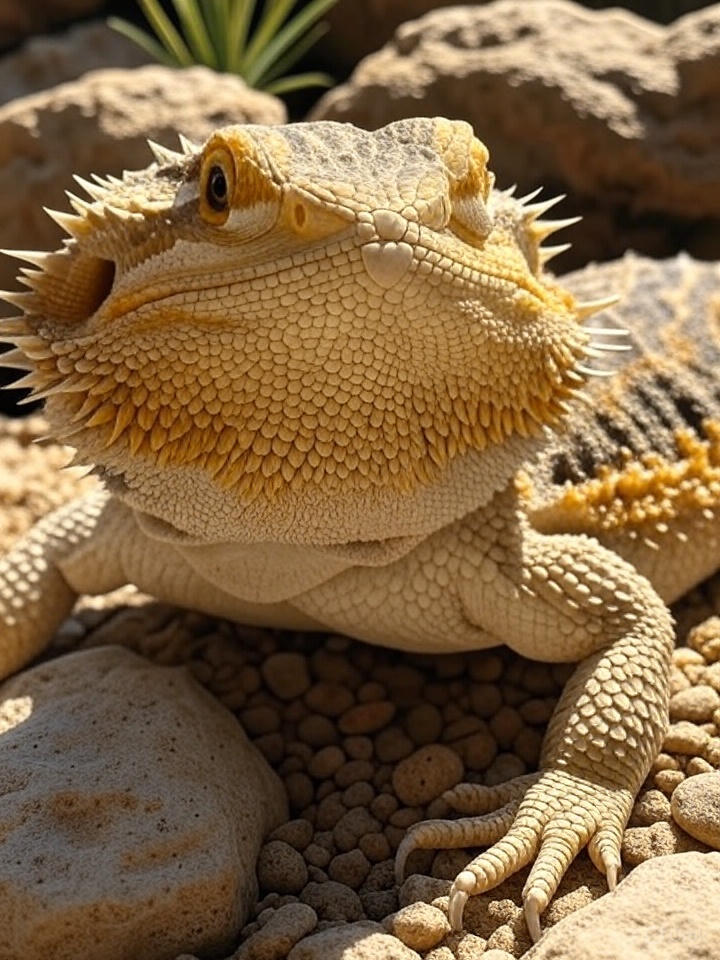
Breeding bearded dragon morphs creates stunning colors and patterns, but it raises ethical questions about health, welfare, and overbreeding. As morphs like Wero and Paradox gain popularity, owners and breeders must weigh the impact on dragons. This guide explores the ethical concerns of morph breeding, how to breed responsibly, and ways to ensure healthy dragons. Let’s navigate the ethics of creating these unique pets.
What Are Bearded Dragon Morphs?
Morphs are genetic variations in color (e.g., Hypo), pattern (e.g., Dunner), or scale (e.g., Leatherback) created through selective breeding. While visually striking, some morphs face health challenges. Responsible breeding with tools like a Pet Scale for Small Animal* ensures healthy outcomes. As an Amazon Associate, I earn from qualifying purchases.
Ethical Concerns in Morph Breeding
| Concern | Details | Solution |
|---|---|---|
| Health Issues | Morphs like Silkbacks have thin skin, prone to injury. | Breed for health, not just appearance, with vet checks. |
| Inbreeding | Repeated inbreeding causes genetic weaknesses. | Use Bearded Dragon Morph Predictor for diverse pairings. |
| Overbreeding | Mass production leads to neglected dragons. | Support ethical breeders with health records. |
| Market Saturation | Oversupply lowers prices, risking poor care. | Adopt from rescues instead of buying. |
The Bearded Dragon Morph Predictor helps avoid inbreeding. Owners love its precise predictions for healthy offspring.
Responsible Breeding Practices
- Health Screening: Ensure parents are healthy with vet checks for MBD or parasites.
- Genetic Diversity: Avoid inbreeding by tracking lineage.
- Proper Care: Use a Zoo Med ReptiSun UVB Bulb* and Fluker’s Repta-Bowl* for breeding dragons.
- Limit Clutches: Breed females sparingly (1-2 times/year) to prevent egg binding.
- Adoption Focus: Partner with rescues to rehome excess dragons.
My dragon, Blaze, is a Hypo morph from an ethical breeder, thriving with proper care.
Supporting Ethical Breeders
- Research: Choose breeders with transparent health records.
- Visit Facilities: Ensure clean enclosures and proper lighting like Zoo Med ReptiSun UVB Bulb*.
- Ask Questions: Inquire about lineage and vet care.
Myths About Morph Breeding
- Myth: All morphs are unhealthy.
Truth: Responsible breeding produces healthy morphs. - Myth: Morphs are just for looks.
Truth: Some, like Leatherbacks, have functional benefits (easier shedding). - Myth: Breeding is always ethical.
Truth: Inbreeding and overbreeding harm dragons.
Conclusion: Breed Ethically for Healthy Dragons
Breeding bearded dragon morphs raises concerns about health and overbreeding, but responsible practices ensure thriving dragons. Use tools like the Bearded Dragon Morph Predictor and products like Pet Scale for Small Animal* and Zoo Med Repti Calcium* for ethical care. What’s your take on morph breeding? Share in the comments—I’d love to hear your thoughts!
BeardedBuddies.com collaborates with reptile experts to provide accurate, trustworthy care advice. This site participates in the Amazon Associates Program, earning from qualifying purchases.
About the Author
Dragon King, founder of BeardedBuddies.com, has raised bearded dragons for over seven years. He chose Blaze from an ethical breeder, avoiding health issues. Working with experts like Dr. Stephanie Nelk, a reptile veterinarian, he shares responsible breeding tips. All advice is based on consultations with herpetologists and standard reptile care practices.