
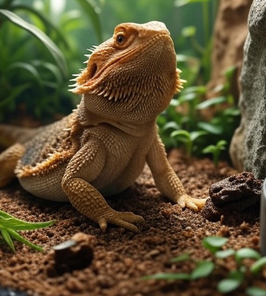
Imagine your bearded dragon, that gritty outback trailblazer, settling into its tank after a hearty meal, only for you to wonder about the next big event: poop time. These spirited lizards, with their bearded swagger and playful quirks, bring a slice of the wild into your home. Their bathroom habits aren’t just a quirky detail—they’re a window into their health and a clue to a lifespan that might soar past 15 years with proper care. So, how often do bearded dragons poop? Let’s journey through the rhythms of their digestion, decode the factors at play, spot the signs of trouble, and arm you with tips to keep their system humming.
Are you a fresh dragon parent scratching your head over “how often do bearded dragons poop?” or a seasoned keeper tracking their routine? We’re diving into a rich vein of insights—digestion patterns, influencing elements, expert guidance, and data to digest. By the end, you’ll hold the key to a diet and habitat that keeps your scaly friend thriving for years.
What’s the Poop Schedule for Bearded Dragons?
Bearded dragons don’t stick to a one-size-fits-all poop schedule—it shifts with age, diet, and health. Hatchlings, those tiny dynamos, often go daily or even twice a day, fueled by frequent insect feasts. Juveniles, in their growth spurt phase, typically poop once every 1-2 days as their metabolism balances. Adults, settled into a veggie-heavy lifestyle, usually drop waste every 1-3 days, though some healthy ones might stretch to a week, especially during brumation.
In the wild, these lizards’ poop frequency dances with food availability—scarce meals mean less frequent drops. In captivity, with steady grub and care, the rhythm steadies, averaging 2-3 times weekly for adults. My own dragon, Blaze, clocks in at twice a week at 12 years, a sign of his robust health. Eager to nail down diet basics? Explore our bearded dragon feeding schedule tips.
What Shapes Their Poop Frequency?
Several threads weave the tapestry of a bearded dragon’s bathroom routine. Age sets the pace—hatchlings burn through food fast, while adults slow down as metabolism eases. Diet is the maestro: a protein-packed juvenile menu speeds things up, whereas an adult’s veggie focus slows the beat. Overfeeding or fatty insects like waxworms can clog the system, while dehydration from low humidity might harden output.
Health plays a big role too. A thriving dragon poops regularly; parasites, impaction, or illness like MBD can throw it off. Temperature matters—too cool a tank (below 80°F) stalls digestion, while a warm REPTI ZOO Full Glass 35 Gallon Reptile Tank* with a 100-110°F basking spot, tracked by the Reptile Tank Thermometer, PAIZOO LED Digital Reptile Thermometer and Humidity Gauge*, keeps it moving. Stress or brumation can pause the cycle. For habitat tips, see our bearded dragon tank size.
*As an Amazon Associate, I earn from qualifying purchases.
Decoding Poop Patterns by Life Stage
Each growth phase paints a different picture of poop frequency. Hatchlings (0-3 months) churn out waste daily or twice, driven by 80% insect meals. Juveniles (3-12 months) ease to 1-2 times daily, shifting to a 50/50 diet. Sub-adults (12-18 months) settle at 1-2 times every couple of days as veggies climb to 70%. Adults (18+ months) land at 1-3 times weekly, leaning on 80% greens.
Brumation, a winter slowdown, can halt poop for weeks as metabolism dips—normal if they’re eating less. Blaze, for instance, skips a beat for a month during his annual rest. Watch for consistency: soft, formed stools with white urate are the goal. Curious about growth? Check our baby bearded dragon growth milestones.
Poop Frequency Guide
| Life Stage | Age Range | Typical Frequency | Diet Influence | Notes |
|---|---|---|---|---|
| Hatchling | 0-3 months | 1-2 times/day | 80% insects | High metabolism |
| Juvenile | 3-12 months | 1-2 times/day | 50% insects, 50% veggies | Growth phase |
| Sub-Adult | 12-18 months | 1-2 times/2 days | 70% veggies | Transitioning |
| Adult | 18+ months | 1-3 times/week | 80% veggies | Steady state |
This mobile-friendly table maps the journey, showing how diet steers the rhythm.
Boosting Digestive Health
To keep your bearded dragon’s poop on track, start with a solid setup. A REPTI ZOO Full Glass 35 Gallon Reptile Tank* offers room to move, reducing stress that can jam digestion. Pair it with the Arcadia Pro T5 UVB Lighting Kit – 24W – Dragon* for vitamin D to aid nutrient breakdown, and the Reptile Tank Thermometer, PAIZOO LED Digital Reptile Thermometer and Humidity Gauge* to hold a 30-40% humidity and 100-110°F basking spot—perfect for gut action.
Diet is the engine. Juveniles thrive on gut-loaded crickets dusted with Fluker’s Reptile Calcium Supplement Without Vitamin D3* and HERPTIVITE Multivitamin for reptiles and amphibians*, while adults savor collards and squash. Hydration via baths or misting softens stools. Avoid impaction triggers like loose substrate or oversized prey. Owners swear by this routine for regular drops. For more, see our bearded dragon dehydration signs.
Signs of Digestive Distress and Next Steps
Keep your eyes peeled for poop problems. Infrequent drops (less than once a week for adults) or hard, dry stools scream dehydration or impaction—feel for a lump near the tail. Runny messes or undigested food hint at overfeeding or parasites. Lethargy, loss of appetite, or a sunken belly demand action.
Annual vet visits with fecal exams and X-rays catch blockages or bugs early. If trouble brews, adjust diet—cut fatty insects—and consult our common health issues bearded dragons. The Bearded Dragon Care Checklist tracks it all—owners lean on it like a lifeline.
Digestive Health Checklist
| Factor | Ideal Condition | Impact on Poop | Action if Off |
|---|---|---|---|
| Temperature | 100-110°F basking | Regulates speed | Adjust heat |
| Humidity | 30-40% | Prevents drying | Add moisture |
| Diet Balance | 80% veggies (adults) | Ensures regularity | Tweak portions |
| Hydration | Daily baths or mist | Softens stools | Increase water |
| Stress Level | Low | Avoids delays | Reduce handling |
This mobile-optimized datasheet empowers quick checks.
When Poop Patterns Shift
Life events can tweak the poop clock. Brumation, that winter nap, often pauses output for weeks as they eat little—normal if they’re active post-rest. Stress from a move or new tank mate might delay it temporarily. Health hiccups like parasites or gut impaction can stop it cold, needing vet intervention.
Age slows the pace too. Seniors like Blaze, at 12, might drop to once a week, reflecting a calmer metabolism. Monitor weight—stable is healthy. For senior care, dive into our senior bearded dragon care.
Conclusion
So, how often do bearded dragons poop? It’s a dance of age and care—daily for hatchlings, 1-2 times daily for juveniles, 1-3 times weekly for adults, with brumation pauses. Diet, heat, and hydration set the beat, while health keeps it steady. With the right setup and vigilance, your dragon can thrive for 8-15+ years.
Notice a poop pattern with your dragon, or got a digestion tip to share? Drop it in the comments—let’s strengthen our bearded dragon tribe!
BeardedBuddies.com collaborates with reptile experts to provide accurate, trustworthy care advice. This site participates in the Amazon Associates Program, earning from qualifying purchases.
About the Author
I’m Dragon King, the heartbeat of BeardedBuddies.com, with over seven years cherishing bearded dragons. My pal Blaze poops twice weekly at 12, a testament to his balanced diet. I collaborate with herpetology ace Dr. Stephanie Nelk to share reliable wisdom, connecting dragon enthusiasts worldwide with practical know-how.