
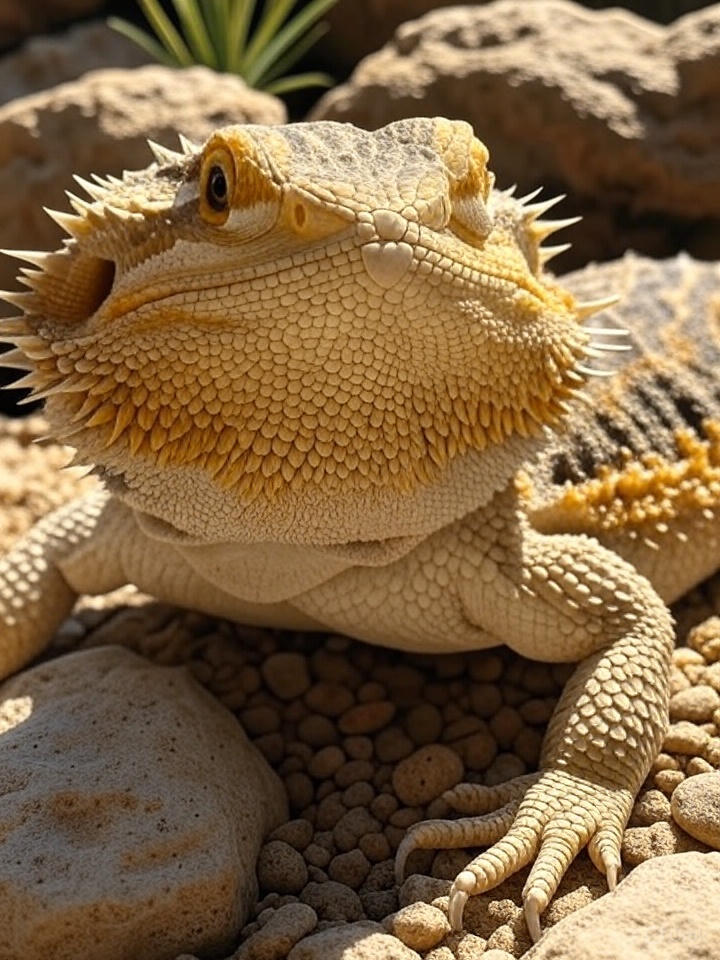
Veterinary care for bearded dragons has evolved significantly, with new techniques and technologies improving their health and longevity. From advanced diagnostics to specialized treatments, these advances help owners keep their dragons thriving. This guide explores the latest developments in bearded dragon veterinary care, how they benefit your pet, and ways to support their health at home. Let’s dive into the cutting-edge world of reptile medicine.
Why Veterinary Advances Matter
Modern veterinary care catches issues like MBD or parasites early, extending bearded dragon lifespans. Advances also make treatments less invasive and more effective. Home care with a Zoo Med ReptiSun UVB Bulb* complements these advancements. As an Amazon Associate, I earn from qualifying purchases. Staying informed ensures your dragon gets the best care.
Recent Advances in Bearded Dragon Veterinary Care
Recent developments include:
- Improved Diagnostics: Digital X-rays and ultrasound detect MBD or impaction with precision, reducing guesswork.
- Minimally Invasive Surgery: Laser surgery for abscesses or egg binding minimizes recovery time.
- Probiotics for Gut Health: Reptile-specific probiotics improve digestion, especially for seniors.
- Advanced Parasite Testing: PCR testing identifies parasites like coccidia faster than traditional methods.
- Pain Management: Reptile-safe analgesics improve comfort during recovery from injuries.
How to Support Veterinary Care at Home
| Care Aspect | Advance | Home Support |
|---|---|---|
| Diagnostics | Early detection via imaging | Monitor weight with Pet Scale for Small Animal*. |
| Nutrition | Probiotics for gut health | Feed in Fluker’s Repta-Bowl* with Zoo Med Repti Calcium*. |
| Environment | Stress reduction | Use Zoo Med ReptiSun UVB Bulb* and Exo Terra Digital Thermometer*. |
The Bearded Dragon Care Checklist aligns home care with vet standards. Owners love its tailored plans for health monitoring.
Finding a Reptile Veterinarian
- Specialization: Choose vets certified in herpetology, like Dr. Stephanie Nelk.
- Reputation: Check reviews on platforms like X or vet directories.
- Services: Ensure they offer advanced diagnostics and reptile-specific treatments.
My dragon, Blaze, benefited from a vet’s ultrasound to catch an early impaction, resolved with probiotics.
Common Health Issues Addressed by Advances
- MBD: Treated with precise calcium dosing and UVB adjustments.
- Parasites: Faster PCR tests lead to targeted treatments.
- Egg Binding: Laser surgery reduces risks for females.
Myths About Veterinary Care
- Myth: Reptile vets are the same as dog/cat vets.
Truth: Herpetology expertise is crucial for dragons. - Myth: Home care replaces vet visits.
Truth: Advances require professional oversight. - Myth: All dragons need the same care.
Truth: Advances allow tailored treatments for age or morph.
Conclusion: Leverage Veterinary Advances
The latest advances in bearded dragon veterinary care, from diagnostics to surgery, enhance your pet’s health. Support them with tools like the Bearded Dragon Care Checklist and products like Zoo Med ReptiSun UVB Bulb* and Pet Scale for Small Animal*. Have you used new vet techniques? Share your experience in the comments—I’d love to hear!
BeardedBuddies.com collaborates with reptile experts to provide accurate, trustworthy care advice. This site participates in the Amazon Associates Program, earning from qualifying purchases.
About the Author
Dragon King, founder of BeardedBuddies.com, has raised bearded dragons for over seven years. Blaze’s health improved with modern vet care. Working with experts like Dr. Stephanie Nelk, a reptile veterinarian, he shares cutting-edge tips. All advice is based on consultations with herpetologists and standard reptile care practices.