
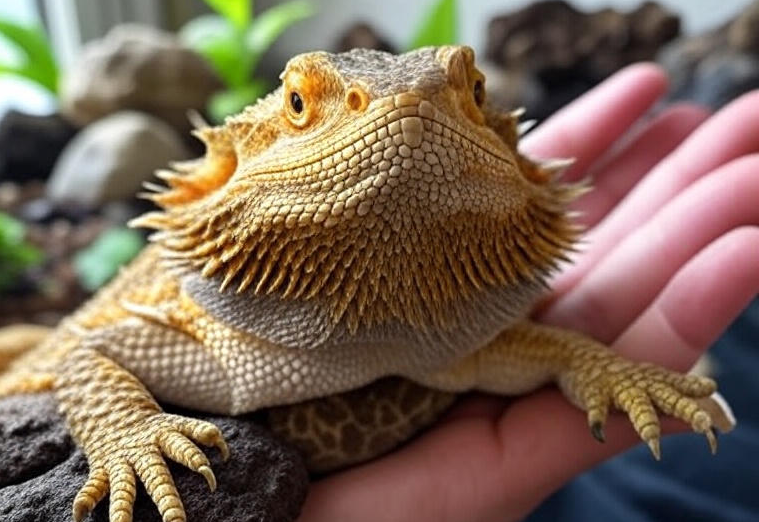
Raising a baby bearded dragon can feel like watching a tiny adventurer embark on an epic journey. These little reptiles start out so small, fitting in the palm of your hand, but they transform quickly into robust companions. If you’re a new owner, you might wonder how to tell if your dragon is hitting the right marks along the way. This guide breaks down the key growth milestones, from size changes to behavior shifts, so you can support your pet’s healthy development. We’ll cover everything you need to know about tracking bearded dragon growth, with practical advice to keep things on track.
Understanding the Stages of Bearded Dragon Growth
Bearded dragons go through distinct life stages, each with its own set of changes. The baby phase, often called the hatchling or juvenile stage, is the most dynamic. Hatchlings are typically 0 to 2 months old, starting at about 3 to 4 inches long. By the end of this period, they can reach up to 9 inches. Juveniles, from 3 to 12 months, continue this rapid expansion, often hitting 18 to 24 inches by their first birthday. Sub-adults follow, around 12 to 18 months, where growth slows as they approach full maturity.
These stages aren’t just about getting bigger; they’re about building strength and adapting to their environment. Genetics play a role, but diet, lighting, and habitat setup are crucial factors that influence how well your dragon progresses. Keep an eye on these phases to spot any delays early.
Size and Weight Milestones: What to Expect
One of the easiest ways to track progress is by measuring size and weight. Baby bearded dragons grow astonishingly fast, sometimes increasing 4000 times their birth weight in the first year. Hatchlings weigh just a few grams at birth, but by 1 month, they might tip the scales at 10 to 20 grams and measure 5 to 7 inches.
As they enter the juvenile stage, expect weekly gains. By 3 months, many reach 10 to 12 inches and 50 to 100 grams. Full adult size—18 to 24 inches and 280 to 510 grams—is common by 12 months, though some may take longer. Use a soft tape measure for length (snout to tail tip) and a digital scale for weight. Record these every week or two in a journal to monitor trends.
If your dragon seems undersized, it could signal issues like poor nutrition or inadequate UVB exposure. Regular check-ins help catch these early.
Here’s a quick reference table for average growth milestones:
| Age Range | Average Length (inches) | Average Weight (grams) | Key Notes |
|---|---|---|---|
| 0-1 Month | 3-6 | 4-18 | Rapid initial growth; focus on protein-rich diet |
| 1-3 Months | 6-11 | 20-60 | Frequent feeding; start introducing more greens |
| 3-6 Months | 11-16 | 60-150 | Active exploration; monitor for first major sheds |
| 6-12 Months | 16-22 | 150-400 | Growth slows slightly; transition to adult feeding |
| 12+ Months | 18-24 | 280-510 | Approach maturity; maintain balanced care |
These are approximations—individual dragons vary based on breed and care. Consult a vet if your pet falls far outside these ranges.
Shedding Patterns as a Sign of Progress
Shedding is a big indicator of healthy growth in baby bearded dragons. Unlike adults, babies shed frequently—sometimes every few weeks—because they’re growing so fast. You’ll notice dull skin, reduced appetite, or irritability before a shed. The process starts at the head and tail, working toward the body.
Hatchlings might shed in pieces, while older juveniles do full-body sheds. After the first year, it slows to every 4-6 weeks or less. To help, maintain humidity at 30-40% with misting and provide a shallow water dish like the Exo Terra Water Dish* for soaking.
As an Amazon Associate, I earn from qualifying purchases.
Never pull loose skin; let it come off naturally to avoid injury. If shedding seems stuck, a warm bath can assist, but frequent problems might mean low humidity or vitamin deficiencies.
Appetite and Feeding Changes Over Time
Baby bearded dragons have voracious appetites to fuel their growth. Hatchlings can eat up to 50 crickets a day, fed in multiple sessions. Their diet should be 80% insects (like small crickets or dubia roaches) and 20% greens for protein needs.
As they hit 3-6 months, introduce more veggies daily, reducing insects to once a day. By 12 months, flip to 80% plants and 20% bugs. Supplements are key—dust insects with calcium like Fluker’s Calcium Reptile Supplement with added Vitamin D3* at nearly every feeding to prevent bone issues.
Worried about getting portions right? Tools like the Bearded Dragon Feeding Calculator can generate a tailored plan based on your dragon’s age and weight.
Watch for appetite drops during sheds or stress, but consistent low eating warrants a vet visit.
Behavioral Developments in Growing Dragons
Behavior evolves as your baby bearded dragon grows. Hatchlings are curious explorers, tasting everything, which means a safe enclosure is essential to avoid ingestion risks. They’re often squirmy during handling, so start short sessions on the ground.
By juvenile stage, you might see arm-waving (submission) or head-bobbing (dominance), especially in males. They become more territorial, so house them alone. Increased activity signals good health—provide climbs and hides to encourage it.
Stress behaviors like glass-surfing or black beards can appear if the habitat isn’t right. Monitor temperature and humidity with something reliable like the Exo Terra Digital Combination Thermometer/Hygrometer* to keep conditions optimal.
Common Growth Issues and How to Address Them
Not every dragon grows smoothly. Stunted growth might stem from poor diet, parasites, or improper lighting. Signs include lethargy, soft bones, or irregular sheds. Prevent with UVB bulbs replaced every 6-12 months and vet check-ups.
Overfeeding leads to obesity, so stick to timed meals. If issues arise, consult a reptile vet like Dr. Stephanie Nelk for expert advice.
Wrapping Up: Supporting Your Dragon’s Journey
Tracking growth milestones helps ensure your baby bearded dragon thrives into a healthy adult. From measuring size to noting sheds and behaviors, staying attentive pays off. Share your experiences in the comments—what milestones has your dragon hit lately? Your stories could help other owners.
About the Author
Dragon King here, founder of BeardedBuddies.com and a dedicated reptile enthusiast with over seven years of hands-on experience raising bearded dragons. My mission is to connect owners worldwide with reliable tips to make pet care easier. My own dragon, Blaze, was a tiny hatchling when I got him, and watching him hit those early milestones—like his first full shed at two months—was thrilling. He grew so fast on a steady diet of dusted insects, and now he’s a laid-back adult. All advice draws from consultations with herpetologists and proven practices to keep things trustworthy.
BeardedBuddies.com collaborates with reptile experts to provide accurate, trustworthy care advice. This site participates in the Amazon Associates Program, earning from qualifying purchases.