
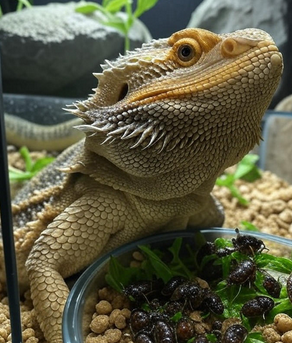
Bearded dragons are beloved reptile pets, known for their docile nature and unique appearance. Providing the right tank size is one of the most critical aspects of their care, ensuring they have enough space to thrive, move, and stay healthy. A properly sized tank supports their natural behaviors, like basking and exploring, while preventing stress-related issues. Choosing the appropriate bearded dragon tank size can feel overwhelming, especially for new owners, with various recommendations available. This guide offers practical tips to help you select the right tank size for your bearded dragon, based on their age, size, and needs. Whether you’re setting up a home for a baby dragon or upgrading for an adult, these insights will help you create a comfortable environment. Let’s explore how to make the best choice for your scaly friend’s habitat.
Tip 1: Match Tank Size to Your Dragon’s Age
Bearded dragons grow quickly, and their tank size needs evolve with them. For baby bearded dragons (under 10 inches), a 20-gallon tank is the minimum, but a REPTI ZOO Full Glass 35 Gallon Reptile Tank* is ideal to accommodate their rapid growth. Juveniles (10 to 16 inches) do well in a 40-gallon tank, though they may soon need more space. Adult bearded dragons (over 16 inches) require at least a 50-gallon tank, with 75 gallons being better for comfort. For larger adults exceeding 20 inches, aim for a 120-gallon tank to give them ample room to roam. Starting with a larger tank for babies can save you from frequent upgrades, but ensure it’s not so large that they struggle to find food. Always monitor their growth and adjust the tank size as needed to keep them healthy and active.
Tip 2: Prioritize Space for Natural Behaviors
Bearded dragons are active lizards that need space to exhibit natural behaviors like basking, climbing, and hiding. A tank that’s too small can lead to stress, causing behaviors like glass surfing, where they repeatedly run along the tank walls. To avoid this, choose a tank that allows for a proper temperature gradient, with a basking spot of 95-105°F and a cooler side of 75-85°F. A 75-gallon tank or larger is often recommended for adult bearded dragons to ensure they have enough room to move and explore. Include branches, rocks, and hides to mimic their natural habitat. Larger tanks also make it easier to maintain stable temperatures and humidity, which are crucial for their well-being. Use a Reptile Tank Thermometer, PAIZOO LED Digital Reptile Thermometer and Humidity Gauge* to monitor conditions.
Tip 3: Consider Tank Dimensions, Not Just Gallons
While gallon size is a common measure, the tank’s dimensions are equally important. Bearded dragons benefit from longer, wider tanks rather than tall, narrow ones, as they are terrestrial lizards that prefer horizontal space. A 40-gallon breeder tank (36”L x 18”W x 18”H) is often better than a standard 40-gallon tank with less floor space. For adults, a tank with dimensions like 48”L x 24”W x 24”H (approximately 120 gallons) provides ideal space for movement. Ensure the tank has enough floor area for accessories like a water dish, basking rock, and hides without feeling cramped. When shopping, check the tank’s dimensions to confirm it meets your dragon’s needs. A REPTI ZOO Full Glass 35 Gallon Reptile Tank* is a great starting point.
Tip 4: Plan for Future Growth
Bearded dragons can grow to 16-24 inches within 15-18 months, depending on genetics and diet. To avoid multiple tank upgrades, consider investing in a larger tank from the start. A 75-gallon tank is a good choice for juveniles transitioning to adulthood, as it accommodates their growth and reduces stress. For baby dragons, a 40-gallon tank can work well, but be prepared to upgrade to at least 75 gallons as they reach adulthood. If budget and space allow, a 120-gallon tank is ideal for adult dragons, especially those over 20 inches. Planning ahead saves time and money while ensuring your dragon has a comfortable home. A REPTI ZOO Full Glass 35 Gallon Reptile Tank* can be a scalable option.
Tip 5: Enhance Small Tanks with Out-of-Tank Time
If you’re temporarily using a smaller tank (e.g., 40-50 gallons for an adult), provide plenty of supervised out-of-tank time to compensate. Bearded dragons enjoy exploring safe, enclosed spaces outside their tank, which can help them stay active and reduce stress. Set up a secure area with no hazards, like small objects they could swallow or cold drafts. Aim for a few hours of supervised exploration daily, ensuring they return to a properly heated and lit tank. This approach is only a temporary solution, as a larger tank is essential for long-term health. For larger dragons, a 120-gallon tank is the best way to meet their space needs without relying heavily on out-of-tank time. Use a Reptile Tank Thermometer, PAIZOO LED Digital Reptile Thermometer and Humidity Gauge* to ensure proper conditions.
Detailed Guide to Bearded Dragon Tank Sizes
Providing the appropriate tank size for your bearded dragon is one of the most important aspects of their care. These lizards, native to Australia, are active and require ample space to thrive. A tank that’s too small can lead to stress, health issues, and behaviors like glass surfing, while a properly sized tank supports their natural behaviors and promotes a long, healthy life. Below is a comprehensive guide to selecting the right bearded dragon tank size, based on their age, size, and specific needs.
Tank Size Recommendations by Age and Size
The appropriate tank size depends on the bearded dragon’s age and length. Here’s a detailed breakdown:
| Age/Size Category | Recommended Tank Size (Gallons) | Notes |
|---|---|---|
| Babies (under 10 inches) | 20 (minimum), 40 (ideal) | A 20-gallon tank is suitable temporarily, but babies grow quickly. A 40-gallon tank (36”L x 18”W x 18”H) is better to avoid frequent upgrades. Be cautious with overly large tanks, as babies may struggle to find food. Hand-feed if necessary. |
| Juveniles (10 to 16 inches) | 40 (standard) | A 40-gallon tank works for juveniles, but many will outgrow it as they approach adulthood. Monitor their growth and plan for an upgrade. |
| Adults (over 16 inches) | 50 (minimum), 75 (ideal) | A 50-gallon tank is the minimum for smaller adults, but 75 gallons provides better comfort and space for movement. |
| Large Adults (over 20 inches) | 75 (minimum), 120 (ideal) | Dragons over 20 inches need at least 75 gallons, but 120 gallons (48”L x 24”W x 24”H) is recommended for optimal exercise and exploration. Smaller tanks require daily supervised out-of-tank time. |
| Full-Grown (15-18 months) | 55 (minimum), 75-120 (ideal) | Depending on genetics and diet, full-grown dragons need 55-75 gallons for regular adults or 120 gallons for those over 20 inches. Upgrade as they grow beyond 15 inches. |
Why Tank Size Matters
Bearded dragons are terrestrial lizards that need horizontal space to roam, bask, and hide. A tank that’s too small restricts their movement, leading to stress and potential health issues like poor thermoregulation or reduced activity. Larger tanks allow for:
- Proper Temperature Gradients: A basking spot of 95-105°F (35-40°C) and a cooler side of 75-85°F (24-29°C) are essential. Larger tanks make it easier to maintain these gradients.
- Natural Behaviors: Space for climbing, hiding, and exploring reduces stress and mimics their natural habitat.
- Reduced Stress: Adequate space prevents behaviors like glass surfing, which indicates discomfort or boredom.
Matching Tank Size to Age and Growth
Bearded dragons grow rapidly, reaching 16-24 inches within 15-18 months, depending on genetics and diet. To avoid frequent upgrades, consider starting with a larger tank:
- Babies: A 40-gallon tank can accommodate their growth from hatchling to juvenile, saving you from buying a 20-gallon tank only to upgrade soon after.
- Juveniles: A 40-gallon tank is standard, but upgrading to 75 gallons as they near adulthood ensures long-term comfort.
- Adults: A 75-gallon tank is ideal for most adults, while 120 gallons is best for larger dragons. Investing in a larger tank early can be cost-effective over time.
Importance of Tank Dimensions
Gallon size is a helpful guide, but the tank’s dimensions are critical. Bearded dragons prefer long, wide tanks over tall, narrow ones. For example:
- A 40-gallon breeder tank (36”L x 18”W x 18”H) offers more floor space than a standard 40-gallon tank, making it better for juveniles.
- For adults, a 120-gallon tank with dimensions like 48”L x 24”W x 24”H provides ample room for accessories and movement.
When selecting a tank, check the dimensions to ensure they meet your dragon’s needs. A tank with sufficient floor space supports a water dish, basking rock, hides, and branches without feeling cramped.
Enhancing Smaller Tanks
If you’re using a smaller tank (e.g., 40-50 gallons for an adult) due to budget or space constraints, you can compensate by providing supervised out-of-tank time. Set up a safe, enclosed area for your dragon to explore, free of hazards like small objects or cold drafts. Aim for a few hours daily, ensuring they return to a tank with proper heating and UVB lighting. However, this is a temporary solution—long-term, a larger tank (75-120 gallons) is essential for adult dragons, especially those over 20 inches.
Additional Tank Setup Requirements
Beyond size, a bearded dragon’s tank must include:
- Heating: Use a mercury vapor bulb for heat and UVB during the day (12 hours) and a ceramic heat emitter for nighttime warmth. Avoid heat rocks, which can cause burns.
- UVB Lighting: A high-quality UVB bulb is crucial for calcium metabolism. Replace it every 6-12 months. Use an Arcadia Pro T5 UVB Lighting Kit – 24W – Dragon* for best results.
- Substrate: Use reptile carpet, tile, or calcium sand to avoid impaction risks from fine sands.
- Décor: Include branches, rocks, and hides to encourage climbing and hiding, enhancing their environment.
- Water: Provide a shallow water dish and mist the tank occasionally for hydration.
Practical Tips for Choosing a Tank
- Budget and Space: Measure your available space and budget before purchasing. A 75-gallon tank is a versatile choice for most dragons, balancing cost and space.
- Tank Stands: Use a sturdy tank stand to support the weight of larger tanks, which can be heavy.
- Custom Enclosures: For large dragons, consider custom enclosures (e.g., 4’L x 2’W x 2’H) for optimal space.
- Future-Proofing: Investing in a 120-gallon tank early can save money compared to multiple upgrades.
Common Mistakes to Avoid
- Starting Too Small: A 20-gallon tank for babies may seem cost-effective, but rapid growth means you’ll need to upgrade quickly.
- Ignoring Dimensions: A tall tank may have the same gallon size but less usable floor space, limiting your dragon’s movement.
- Overcrowding: Ensure the tank isn’t cluttered with accessories, leaving enough open space for roaming.
- Neglecting Upgrades: Monitor your dragon’s size and behavior to determine when an upgrade is needed, especially as they reach adulthood.
Conclusion
Choosing the right bearded dragon tank size is key to ensuring your pet’s health and happiness. By matching the tank to their age, prioritizing space for natural behaviors, considering dimensions, planning for growth, and supplementing smaller tanks with out-of-tank time, you can create an ideal habitat. A well-sized tank supports their physical and mental well-being, allowing them to thrive as active, curious lizards. Always pair the right tank size with proper heating, Arcadia Pro T5 UVB Lighting Kit – 24W – Dragon*, and décor to mimic their natural environment. Ready to set up the perfect home for your bearded dragon? Start by measuring your space, checking your budget, and selecting a tank that meets these guidelines.
BeardedBuddies.com collaborates with reptile experts to provide accurate, trustworthy care advice. This site participates in the Amazon Associates Program, earning from qualifying purchases.
About the Author
I’m Dragon King, founder of BeardedBuddies.com and a reptile enthusiast with over seven years raising bearded dragons. My dragon, Blaze, outgrew a 20-gallon tank fast, so I upgraded to a REPTI ZOO Full Glass 35 Gallon Reptile Tank* early on. I work with herpetologists like Dr. Stephanie Nelk to share reliable, practical tips for dragon owners globally. All advice is based on consultations with reptile experts and standard care practices.