
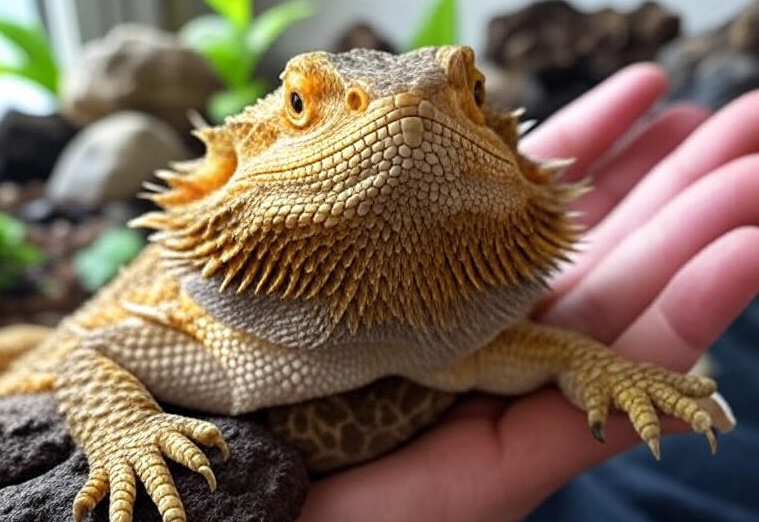
Have you ever wondered how large your bearded dragon might grow as it lounges in its tank? These captivating reptiles win hearts with their unique personalities, and understanding their size potential helps you plan the best care. This guide explores how big bearded dragons get, factors influencing their growth, what to expect at different life stages, and tips to support healthy development.
Whether you’re a new owner curious about “how big do bearded dragons get” or a seasoned caretaker preparing for your dragon’s future size, we’ll cover growth patterns, habitat needs, and expert advice. By the end, you’ll be equipped to ensure your pet reaches its full potential in a thriving environment.
Typical Size Range for Bearded Dragons
Bearded dragons vary in size depending on age, genetics, and care, but there’s a general range to expect. Hatchlings start tiny, measuring 3 to 4 inches long, including their tail. Juveniles grow quickly, reaching 10 to 16 inches by their first year. Adults typically settle between 16 and 24 inches, with males often slightly larger than females—males average 20-24 inches, while females tend toward 16-19 inches. Weight follows suit, with adults ranging from 300 to 600 grams, depending on health and diet.
In the wild, growth may stall due to food scarcity, capping sizes around 18-20 inches. In captivity, with optimal care, some dragons hit the upper end or beyond, though 24 inches is the max for most. Genetics play a role—certain morphs, like German Giants, can edge toward 26 inches. For growth milestones, see our baby bearded dragon growth milestones.
Factors Influencing Bearded Dragon Size
Several factors shape how big do bearded dragons get. Genetics set the ceiling—some bloodlines naturally grow larger, while others stay smaller. Diet is a major driver: a balanced mix of protein-rich insects for juveniles and veggie-heavy meals for adults fuels growth without obesity. Skimp on nutrients, and size may lag.
Habitat matters too. Adequate space in a REPTI ZOO Full Glass 35 Gallon Reptile Tank* allows natural movement, while cramped conditions stunt development. Proper Arcadia Pro T5 UVB Lighting Kit – 24W – Dragon* supports calcium absorption for strong bones, and the Reptile Tank Thermometer, PAIZOO LED Digital Reptile Thermometer and Humidity Gauge* ensures ideal temps (100-110°F basking, 80°F cool side) for metabolism. Stress or poor health, like parasites, can also limit growth. For diet details, check our bearded dragon feeding schedule tips.
*As an Amazon Associate, I earn from qualifying purchases.
Growth Stages and What to Expect
Bearded dragons grow in distinct phases, each with size and care needs. Hatchlings (0-3 months) are 3-4 inches and need frequent, small insect meals. Juveniles (3-12 months) stretch to 10-16 inches, requiring a 50/50 insect-veggie diet to support rapid growth. Sub-adults (12-18 months) hit 16-20 inches, shifting to 70% veggies as metabolism slows.
Adults (18+ months) reach 16-24 inches and maintain size with 80% vegetables, 20% insects. Growth tapers off, but weight may increase if overfed. My dragon, Blaze, grew to 22 inches by 2 years with consistent care. Monitor with regular weigh-ins—300-600 grams is healthy for adults. For tank size tips, see our bearded dragon tank size.
Supporting Healthy Growth
To help your bearded dragon reach its full size, start with the right setup. A REPTI ZOO Full Glass 35 Gallon Reptile Tank* gives growing space—upgrade as needed. Use Arcadia Pro T5 UVB Lighting Kit – 24W – Dragon* for bone development, paired with the Reptile Tank Thermometer, PAIZOO LED Digital Reptile Thermometer and Humidity Gauge* to maintain optimal conditions.
Feed juveniles 2-3 times daily with gut-loaded insects, dusting with Fluker’s Reptile Calcium Supplement Without Vitamin D3* and HERPTIVITE Multivitamin for reptiles and amphibians*. Shift adults to twice-weekly insect feeds and daily greens. Avoid overfeeding—obesity stunts growth. Enrichment like climbs keeps them active. Owners note these steps yield robust, full-sized dragons. Learn more in our essential supplements juvenile bearded dragons.
Signs of Growth Issues and When to Seek Help
Watch for growth red flags. Slow growth or small size by 6 months might signal poor nutrition or health issues like MBD—look for soft bones or lethargy. Overweight dragons (over 600 grams with a fat tail) suggest overfeeding. Refusal to eat or deformed limbs need quick vet attention.
Annual checkups with fecal tests and X-rays catch parasites or bone problems early. If concerns arise, consult a reptile vet. For health signs, see our common health issues bearded dragons. The Bearded Dragon Care Checklist helps track growth stages—owners find it invaluable.
Conclusion
In short, how big do bearded dragons get depends on care: 16-24 inches typically, with some reaching 26 inches in captivity. Genetics, diet, and habitat drive size, with proper nutrition and space pushing them to their potential. Your efforts can help your dragon grow strong and healthy for 8-15+ years.
How big is your bearded dragon, or what growth tips have worked for you? Share in the comments—let’s build our bearded dragon community!
BeardedBuddies.com collaborates with reptile experts to provide accurate, trustworthy care advice. This site participates in the Amazon Associates Program, earning from qualifying purchases.
About the Author
I’m Dragon King, founder of BeardedBuddies.com, with over seven years raising bearded dragons. My dragon, Blaze, hit 22 inches by age 2 thanks to a spacious tank and balanced diet—now 12, he’s still lively. I consult with herpetologists like Dr. Stephanie Nelk to share proven care tips, connecting owners globally for better dragon lives.