
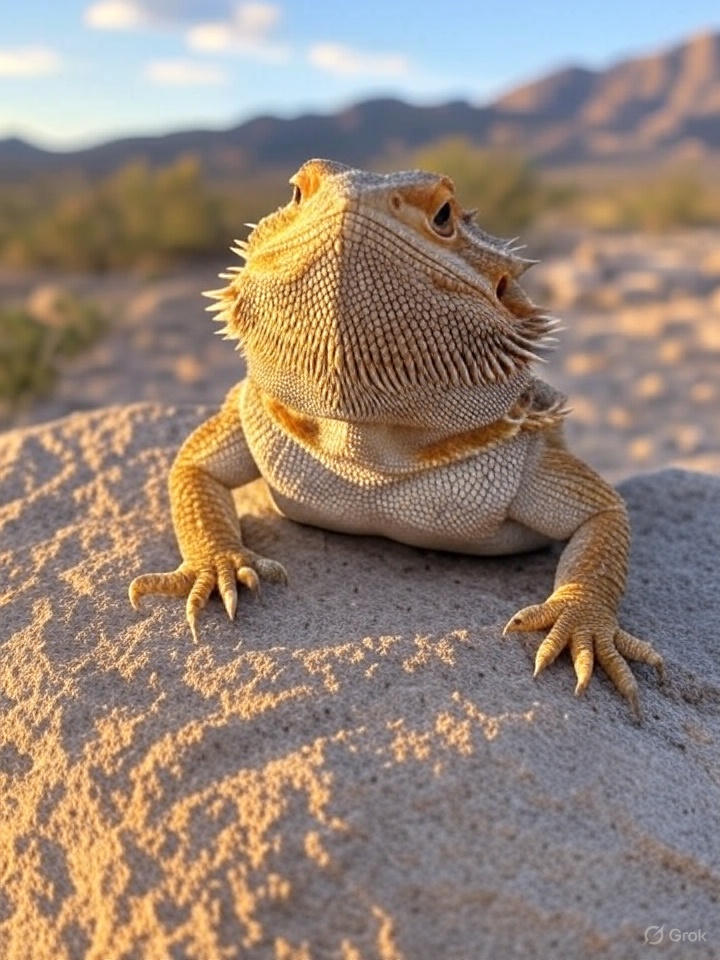
Bearded dragons are one of the most popular pet reptiles, and it’s no surprise why. These charming lizards are friendly, relatively easy to care for, and full of personality. Whether you’re a first-time reptile owner or looking to refine your care routine, getting the basics right is key to keeping your bearded dragon happy and healthy. In this guide, we’ll cover essential tips for setting up their habitat, feeding them properly, handling them safely, and ensuring their long-term well-being. Let’s get started with the fundamentals every bearded dragon owner needs to know.
1. Setting Up the Perfect Enclosure
The foundation of bearded dragon care is a well-designed enclosure that mimics their natural desert environment. A proper setup ensures they stay healthy, active, and stress-free. Here’s what you need to focus on:
- Tank Size: For an adult bearded dragon, a 40-75 gallon tank (at least 4 feet long) is ideal. Juveniles can start in a 20-gallon tank, but they’ll outgrow it quickly. A larger space allows for proper thermoregulation and activity.
- Substrate: Choose a safe, easy-to-clean substrate like the Zilla Reptile Terrarium Liner*. This liner is non-abrasive, easy to cut to size, and simplifies cleaning, reducing the risk of impaction compared to loose substrates like sand.
- Hides and Enrichment: Bearded dragons need a place to retreat. The Exo Terra Reptile Hide* provides a secure cave-like space that reduces stress and encourages natural behavior. Add branches or rocks for climbing to keep them engaged.
- Cleaning: Regular spot-cleaning and weekly deep-cleaning prevent bacterial buildup. If you include a water feature, the Tetrafauna ReptoFilter* helps maintain clean water, reducing the risk of infections.
For help calculating the ideal enclosure size, check out the Bearded Dragon Enclosure Calculator from Bearded Buddies.
2. Lighting and Temperature: Getting It Right
Bearded dragons are desert dwellers, so proper lighting and temperature are non-negotiable. These elements support their metabolism, digestion, and overall health.
- UVB Lighting: Bearded dragons require UVB light to synthesize vitamin D3 and absorb calcium, preventing metabolic bone disease. The Zoo Med ReptiSun 10.0 UVB Bulb* is a reliable choice, providing the necessary UVB output. Place it 6-12 inches from the basking spot and replace it every 6-12 months, as UVB output diminishes over time.
- Basking Spot: Create a basking area with a temperature of 95-105°F (35-40°C) for adults and 105-110°F (40-43°C) for juveniles. Use a heat lamp with a ceramic or incandescent bulb to achieve this.
- Cool Side: The opposite side of the tank should be cooler, around 75-85°F (24-29°C), allowing your dragon to thermoregulate by moving between zones.
- Nighttime: Temperatures can drop to 65-75°F (18-24°C) at night, but avoid using colored bulbs (like red or blue), as they can disrupt sleep.
Use a digital thermometer with a probe to monitor temperatures accurately. For a detailed care checklist, visit the Bearded Dragon Care Checklist on Bearded Buddies.
3. Feeding Your Bearded Dragon
A balanced diet is crucial for your bearded dragon’s growth and vitality. Their dietary needs change with age, so here’s a breakdown:
| Age Group | Diet Composition | Feeding Frequency | Examples |
|---|---|---|---|
| Juveniles (0-6 months) | 70-80% insects, 20-30% greens | 2-3 times daily | Crickets, dubia roaches, collard greens |
| Adults (>12 months) | 70-80% greens, 20-30% insects | 1-2 times daily | Mustard greens, squash, mealworms |
- Insects: Offer gut-loaded insects like crickets, dubia roaches, or mealworms. Dust them with calcium powder 4-5 times a week to prevent deficiencies.
- Vegetables: Provide leafy greens like collard, mustard, or dandelion greens. Avoid spinach and lettuce, as they can cause health issues.
- Water: Bearded dragons don’t drink from standing water often, so use a shallow dish like the Fluker’s Repta-Bowl* for occasional drinking or soaking. Mist their greens lightly to encourage hydration.
- Supplements: Use a multivitamin supplement 1-2 times a week for adults, more frequently for juveniles.
For precise feeding amounts, try the Bearded Dragon Feeding Calculator to tailor portions to your dragon’s size and age.
4. Handling and Bonding with Your Bearded Dragon
Bearded dragons are known for their docile nature, making them great for handling, but it requires patience and care:
- Start Slow: Let new dragons settle into their enclosure for a week before handling. Begin with short sessions (5-10 minutes) to build trust.
- Proper Technique: Support their body fully, placing one hand under their belly and the other near their tail. Avoid grabbing from above, as it mimics a predator.
- Signs of Stress: If your dragon puffs up, opens its mouth, or darkens its beard, give it space. These behaviors indicate discomfort.
- Regular Interaction: Handle your dragon daily for 10-20 minutes to strengthen your bond. Over time, they’ll become comfortable sitting on your shoulder or exploring a safe space.
Consistent, gentle handling helps your bearded dragon associate you with safety, making them more sociable.
5. Health and Common Issues to Watch For
Keeping your bearded dragon healthy involves regular observation and proactive care. Here are common issues and how to address them:
- Metabolic Bone Disease (MBD): Caused by insufficient UVB or calcium, MBD leads to weak bones and lethargy. Ensure proper lighting with the Zoo Med ReptiSun 10.0 UVB Bulb* and calcium supplementation.
- Impaction: Loose substrates like sand can cause digestive blockages. Stick to safe options like the Zilla Reptile Terrarium Liner* to minimize this risk.
- Respiratory Infections: Symptoms include wheezing or mucus. Maintain proper temperatures and humidity (20-40%) to prevent these.
- Dehydration: Wrinkled skin or sunken eyes signal dehydration. Offer baths in a shallow dish like the Fluker’s Repta-Bowl* and mist greens.
Schedule annual vet checkups with a reptile specialist to catch issues early. A clean enclosure, supported by tools like the Tetrafauna ReptoFilter* for water features, also reduces health risks.
6. Busting Common Bearded Dragon Myths
New owners often encounter misinformation. Let’s clear up a few myths:
- Myth: Bearded dragons can live on a diet of only insects.
Fact: Adults need a vegetable-heavy diet to stay healthy. Use the feeding table above as a guide. - Myth: Sand is the best substrate.
Fact: Sand can cause impaction. Opt for safer options like the Zilla Reptile Terrarium Liner*. - Myth: Bearded dragons don’t need UVB light if they get calcium supplements.
Fact: UVB is essential for calcium absorption. The Zoo Med ReptiSun 10.0 UVB Bulb* is a must.
By following evidence-based care practices, you’ll set your dragon up for a long, healthy life.
Conclusion
Caring for a bearded dragon is a rewarding experience that starts with mastering the basics: a proper enclosure, lighting, diet, handling, and health monitoring. With the right setup—including essentials like the Exo Terra Reptile Hide* for comfort and the Fluker’s Repta-Bowl* for hydration—you’ll create a thriving environment for your pet. Use resources like the Bearded Dragon Care Checklist to stay on track. Have questions or tips to share? Drop a comment below, and let’s keep the bearded dragon community growing!
* This site participates in the Amazon Associates Program, earning from qualifying purchases.