
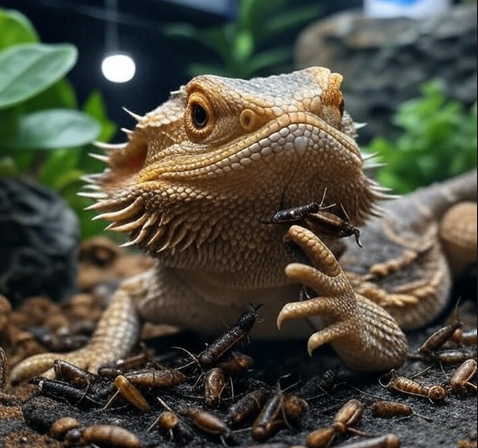
Raising a juvenile bearded dragon is a thrilling ride—those tiny claws and curious eyes are hard to resist. But their rapid growth, especially from 2 to 12 months, demands precise nutrition to build strong bones and a robust immune system. When my bearded dragon, Blaze, was a juvenile, I noticed him slowing down until I got his supplements right. That scare taught me how critical calcium and vitamins are to avoid issues like metabolic bone disease. In this guide, we’ll explore the must-have supplements for juvenile bearded dragons, how to use them correctly, and tips to keep your little one thriving. Whether you’re new to beardie care or fine-tuning your approach, these steps will help your dragon grow healthy and strong.
Why Juveniles Need Supplements
Young bearded dragons grow at lightning speed, often doubling in size within months, which puts huge demands on their bodies. In the wild, they’d get nutrients from varied insects and sunlight, but in captivity, their diet of crickets and greens often falls short. Calcium is a biggie—it builds bones and prevents metabolic bone disease (MBD), a serious condition causing soft bones or even paralysis. Vitamin D3 is just as vital, helping their bodies absorb that calcium. Without it, even the best diet can’t do its job.
Multivitamins fill other gaps, supporting vision, skin, and immunity. Since juveniles eat mostly insects (about 70% of their diet), which are low in calcium, supplements are non-negotiable. Improper UVB lighting or high-oxalate greens like spinach can worsen deficiencies, so a solid plan is key. Reptile vets, like Dr. Stephanie Nelk, stress starting with a checkup to tailor supplements to your dragon’s needs—too much can be as harmful as too little.
The Essential Supplements
For juvenile bearded dragons, the core supplements are calcium, vitamin D3, and a reptile-safe multivitamin. Calcium comes in two forms: with D3 and without. Use the plain version most days to avoid overdoing D3, which can cause toxicity. Multivitamins provide nutrients like vitamin A (stick to beta-carotene sources to avoid harm) for eyes and overall health.
Gut-loading feeder insects is another smart move. Feed them nutrient-rich greens or commercial gels 24-48 hours before offering them to your dragon—it’s like a natural supplement boost. For extra support during growth spurts, some owners use herbal or energy formulas, but only with vet approval. Pair supplements with proper UVB lighting and a diet of 70% insects and 30% veggies for the best results.
Setting Up a Supplement Schedule
Consistency is everything for growing dragons. Juveniles need more frequent calcium dusting than adults due to their rapid bone development. Here’s a sample weekly schedule based on expert advice:
| Day | Supplement Type | Frequency Notes |
|---|---|---|
| Monday | Calcium without D3 | Dust all insects lightly |
| Tuesday | Off day | Focus on gut-loaded feeders |
| Wednesday | Calcium without D3 | Dust salads and insects |
| Thursday | Calcium with D3 | Use sparingly on one meal |
| Friday | Calcium without D3 | Daily for growth support |
| Saturday | Multivitamin | Once a week on veggies or insects |
| Sunday | Calcium with D3 | Alternate with multivitamin days |
Adjust this based on your vet’s input, and always use phosphorus-free calcium to maintain balance. If you’re struggling to keep track, the Bearded Dragon Feeding Calculator creates custom plans with supplement reminders based on your dragon’s age and weight. Owners rave about how it simplifies feeding during those hectic juvenile months.
How to Administer Supplements
Dusting is the easiest method: toss insects in a bag with a pinch of powder, shake gently, and serve immediately. For veggies, sprinkle lightly on top to ensure they get a dose. Use a dedicated feeder bin to keep the mess contained and make sure your dragon eats the dusted items first. Liquid supplements are an option for picky eaters, but powders are more reliable for most.
Start with a light coating—too much can turn your dragon off their food. Combine dusting with gut-loaded insects, like crickets fed collard greens or commercial gut-load. Keep a log or use an app to track what you’ve given, and always offer fresh water to aid digestion.
Common Mistakes to Avoid
Over-supplementing is a big no-no—excess D3 or vitamin A can lead to toxicity, causing issues like swelling or lethargy. Another mistake is thinking supplements can replace UVB lighting; they can’t—your dragon needs both. Avoid human vitamins, as they’re not safe for reptiles. Watch for signs of trouble, like constipation or tremors, and consult a vet if they appear. Also, steer clear of high-oxalate greens like spinach, which block calcium absorption.
When Blaze was a juvenile, I over-dusted his crickets once, and he turned his nose up at them for days. Lesson learned: less is more. If your dragon is underweight or a rescue, start slow and get professional advice.
Choosing Quality Supplements
Not all supplements are created equal—look for reptile-specific, phosphorus-free options with minimal fillers. As an Amazon Associate, I earn from qualifying purchases. For a trusted calcium source, Zoo Med Repti Calcium with D3* is a favorite for its fine powder and balanced D3. Alternate with Rep-Cal Phosphorus-Free Calcium with Vitamin D3*, which owners love for its purity.
For broader nutrition, Herptivite Multivitamin for Reptiles* delivers safe vitamin A via beta-carotene, supporting vision and skin. During growth spurts, Fluker’s Repta Boost Reptile Supplement* offers vitamins and probiotics to keep energy high. For immune support, AMBER NATURALZ Reptaid Herbal Supplement* is a vet-approved option for tackling stress or recovery, but use it sparingly. Check labels for quality, and store in a cool, dry place.
The Bearded Dragon Care Checklist is a game-changer for organizing supplement routines. It generates downloadable PDFs with tailored tasks—perfect for busy owners who want to stay on top of juvenile care.
Debunking Supplement Myths
Let’s clear up some misconceptions. Myth: All calcium powders are identical. Fact: Phosphorus-free options are best to avoid imbalances. Myth: Supplements can replace UVB lights. Fact: UVB is essential for natural D3 production. Myth: Juveniles don’t need multivitamins. Fact: They fill critical gaps in captive diets. Testing and tweaking your approach, like I did with Blaze, ensures your dragon gets what they need.
Conclusion
Supplements are the backbone of juvenile bearded dragon care, fueling their growth and preventing health issues. Stick to a schedule, choose high-quality products, and lean on tools like the Bearded Dragon Feeding Calculator for precision. With the right plan, your beardie will grow into a strong adult. What’s your favorite supplement tip? Drop it in the comments or share how you keep your juvenile’s diet on track!
BeardedBuddies.com collaborates with reptile experts to provide accurate, trustworthy care advice. This site participates in the Amazon Associates Program, earning from qualifying purchases.
About the Author
Dragon King is the founder of BeardedBuddies.com and a devoted reptile keeper with over seven years of experience. His bearded dragon, Blaze, once struggled with weak legs as a juvenile, prompting Dragon King to master supplement routines with help from herpetologists. He’s passionate about sharing practical, vet-backed advice to help beardie owners worldwide. All tips are based on expert consultations and standard reptile care practices.