
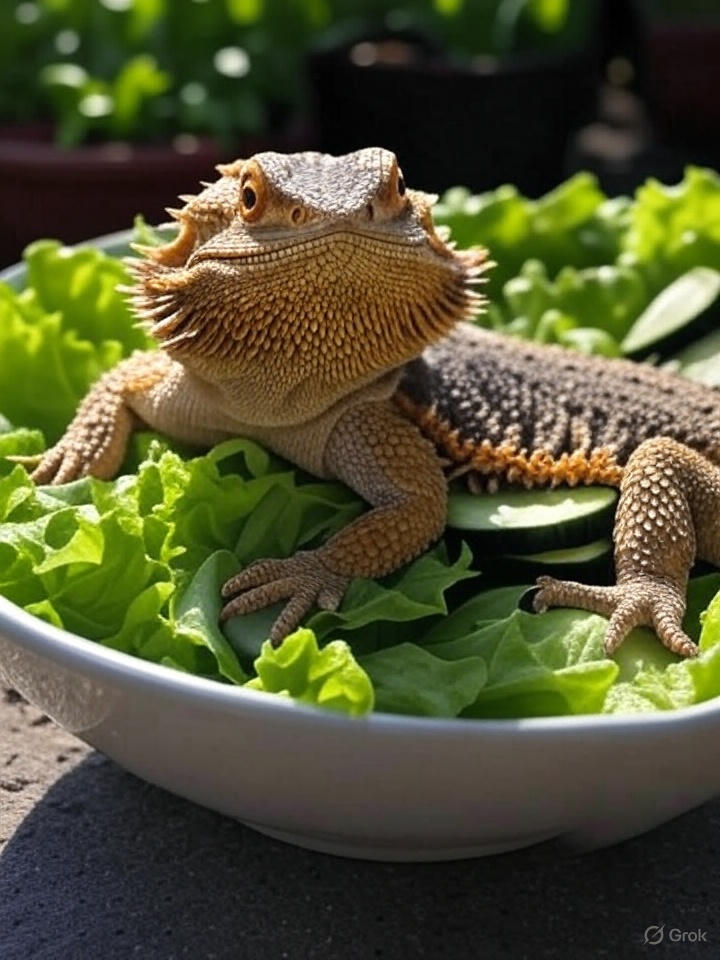
Have you ever considered tossing a handful of spinach into your bearded dragon’s bowl and wondered if it’s a good idea? These lively reptiles captivate owners with their engaging behaviors, and their diet is a cornerstone of their health. Knowing what’s safe or risky can shape their well-being. This guide examines whether bearded dragons can eat spinach, the potential benefits and dangers, safe serving methods, and better veggie alternatives.
If you’re a new owner pondering “can bearded dragons eat spinach?” or an experienced keeper exploring greens, we’ll cover nutritional insights, portion guidance, and expert tips. By the end, you’ll have the know-how to craft a diet that keeps your dragon thriving for years.
Is Spinach Safe for Bearded Dragons?
Spinach isn’t a safe staple for bearded dragons due to its high oxalate content. These compounds bind calcium, preventing absorption and risking metabolic bone disease (MBD) over time. While it offers vitamins A, C, and K, plus iron, the benefits are overshadowed by this risk. Phosphorus levels also outpace calcium, adding to the imbalance.
All ages—hatchlings, juveniles, and adults—should avoid regular spinach intake. Wild bearded dragons don’t naturally consume it, and their captive counterparts fare better with greens like collards or dandelions. Occasional tiny amounts might not harm a healthy adult, but it’s not recommended. For dietary foundations, see our bearded dragon diet balance.
Benefits and Risks of Feeding Spinach
Spinach has some nutritional perks if used sparingly. Its vitamins support immune health, and iron aids blood function, offering a nutrient boost. Some owners note their dragons nibble it with interest, adding variety to meals.
However, the risks outweigh these gains. High oxalates can lead to calcium deficiency, weakening bones and shortening lifespan—MBD is a common outcome. Excess phosphorus further disrupts mineral balance, potentially causing lethargy or soft shells. Over time, these issues make spinach a poor choice. Learn about prevention in our bearded dragon bone disease prevention.
How to Serve Spinach (If at All)
If you choose to offer spinach, do so with extreme caution. Rinse it thoroughly to remove pesticides, then chop into tiny pieces to minimize intake. Limit to a few leaves once every few months for a healthy adult—juveniles and babies should skip it entirely. Remove uneaten portions within 15 minutes to avoid spoilage.
Counteract oxalates by pairing with calcium-rich greens like mustard greens, dusted with Fluker’s Reptile Calcium Supplement Without Vitamin D3*. Watch for signs like weak limbs or reduced appetite; if noticed, eliminate spinach completely. For safer options, check our safe vegetables for bearded dragons.
*As an Amazon Associate, I earn from qualifying purchases.
Better Vegetable Alternatives
Swap spinach for these safer greens to enrich your dragon’s diet:
- Collard Greens: High calcium, low oxalates—offer daily.
- Dandelion Greens: Nutrient-packed and safe, serve regularly.
- Butternut Squash: Rich in vitamins A and C, include weekly.
Avoid high-oxalate veggies like beet greens or high-phosphorus ones like Swiss chard. Mix with staples like bell peppers and dust insects with HERPTIVITE Multivitamin for reptiles and amphibians* for full nutrition. Owners find this mix keeps dragons healthy and eager. Explore more in our diet and nutrition bearded dragon greens.
The Role of Diet in Longevity
Diet heavily influences how long do bearded dragons live. Adults need 80% vegetables and 20% insects, while juveniles reverse that for growth. Greens like spinach, if overused, disrupt this balance, risking bone and organ health.
Support with proper lighting using the Arcadia Pro T5 UVB Lighting Kit – 24W – Dragon* to enhance calcium use, and monitor with the Reptile Tank Thermometer, PAIZOO LED Digital Reptile Thermometer and Humidity Gauge* for digestion-friendly temps (100-110°F basking, 80°F cool side). A balanced diet can extend life to 15+ years. For habitat setup, see our bearded dragon enclosure designs.
Signs of Dietary Issues and When to Act
Catch dietary problems early. Soft bones or lethargy suggest calcium loss from oxalates—check with a vet if persistent. Runny stools or weight loss indicate digestive strain. Refusal to eat or odd behavior needs immediate vet review.
Annual checkups with bloodwork and fecal tests spot imbalances or parasites. If issues arise, switch greens and consult our common health issues bearded dragons. The Bearded Dragon Care Checklist tracks diet changes—owners value its structure.
Conclusion
So, can bearded dragons eat spinach? Rarely, and only in tiny amounts every few months for adults, due to high oxalates and phosphorus risks. Opt for safer greens and proper lighting to ensure a healthy, long life of 8-15+ years. Your care choices make the difference.
Have you tried spinach with your dragon, or do you have a favorite green to share? Drop a comment below—let’s connect and grow our bearded dragon community!
BeardedBuddies.com collaborates with reptile experts to provide accurate, trustworthy care advice. This site participates in the Amazon Associates Program, earning from qualifying purchases.
About the Author
I’m Dragon King, founder of BeardedBuddies.com, with over seven years raising bearded dragons. My dragon, Blaze, avoided spinach after a vet’s advice at 10 years—now 12, he thrives on collards and stays strong. I partner with herpetologists like Dr. Stephanie Nelk to deliver trusted care tips, linking owners worldwide with practical solutions.