
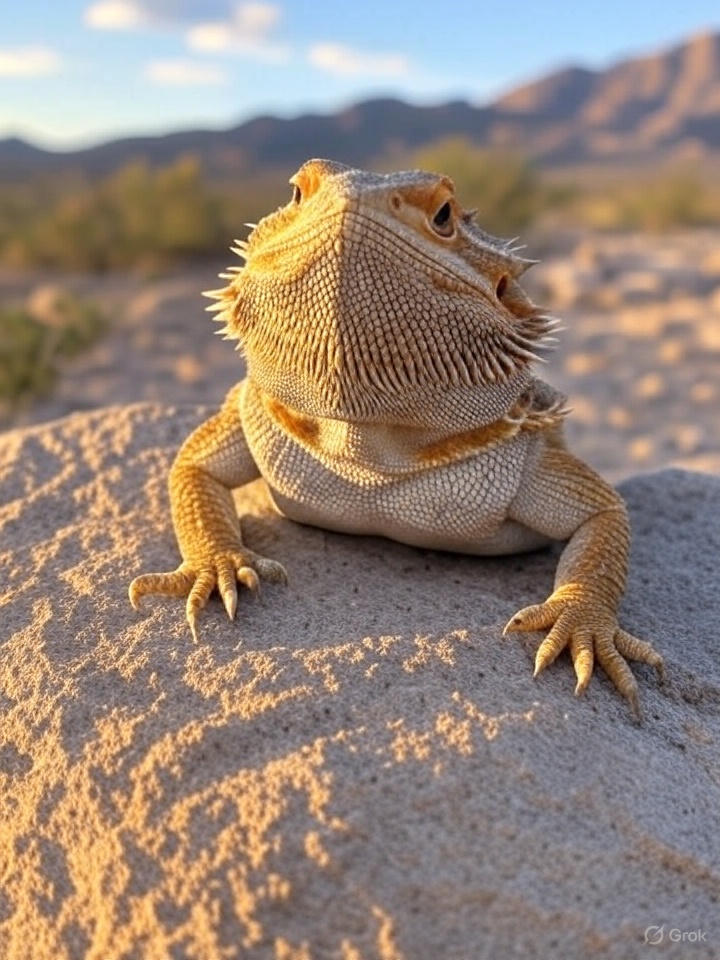
Bearded dragons deserve a habitat that mirrors their natural Australian desert environment while incorporating modern innovations for their health and your convenience. In 2025, enclosure designs are evolving to prioritize space, aesthetics, and functionality, with trends like bioactive setups, customizable cages, and stress-reducing materials. This guide explores the latest bearded dragon enclosure designs, offering practical tips to create a safe, engaging home for your dragon. Whether you’re upgrading your setup or starting fresh, these insights will help you choose a cutting-edge design that keeps your scaly friend thriving.
Why Modern Enclosure Designs Matter
A well-designed enclosure supports your bearded dragon’s physical and mental health, providing space for thermoregulation, exploration, and rest. Outdated or cramped setups can lead to stress, poor appetite, or health issues like metabolic bone disease. Dr. Stephanie Nelk, a reptile veterinarian, notes, “Modern enclosure designs focus on replicating natural conditions while reducing stress, which is key to a bearded dragon’s longevity.” By embracing the latest trends, you’ll create a habitat that enhances your dragon’s well-being and fits seamlessly into your home.
Top Bearded Dragon Enclosure Design Trends in 2025
Here are the newest enclosure designs making waves in 2025, each tailored to bearded dragon needs:
1. Bioactive Enclosures
Bioactive setups, which use natural substrates like Zoo Med Eco Earth Loose Coconut Fiber Substrate and live organisms (e.g., isopods, springtails), are trending for their self-sustaining ecosystems. These enclosures mimic the desert floor, encouraging digging and exploration while reducing cleaning tasks. Owners on forums like Reddit praise bioactive setups for their naturalistic appeal, noting happier dragons who exhibit behaviors like burrowing. However, they require careful monitoring with a tool like a Fluker’s Digital Thermometer/Hygrometer to maintain humidity at 20-40% and prevent issues like pests.
2. Customizable and Expandable Enclosures
Customizable enclosures, such as those from Zen Habitats and Toad Ranch, are gaining popularity for their flexibility. These designs feature stackable or expandable panels, allowing you to adjust size as your dragon grows or add multiple habitats. Zen Habitats’ 4x2x2-foot enclosures, with non-reflective bamboo or PVC panels, reduce stress by eliminating reflective surfaces that can cause glass surfing. These setups are ideal for owners seeking a tailored fit, with front-opening doors for easy access and minimal disturbance.
3. Large, Multi-Zone Enclosures
Modern designs emphasize spacious enclosures (120 gallons or more) to create distinct temperature zones: a basking spot (95-110°F for adults, 100-115°F for juveniles), a warm side (85-90°F), and a cool side (75-80°F). Brands like REPTI ZOO offer 120-270-gallon glass enclosures with tempered glass for 360-degree visibility and durability. These large setups allow for climbing structures, hides like the Exo Terra Cocount Cave, and varied terrain, promoting natural behaviors. Owners report dragons thriving in these spacious habitats, with ample room for enrichment.
4. Non-Reflective, Stress-Reducing Materials
Reflective surfaces like glass can stress bearded dragons, leading to behaviors like glass surfing. 2025 designs use non-reflective materials like PVC, melamine, or bamboo, as seen in Zen Habitats’ enclosures. These materials also retain heat better than glass, reducing energy costs. A Zoo Med ReptiSun UVB Bulb paired with these enclosures ensures proper UVB exposure without reflective glare, creating a calmer environment for your dragon.
5. DIY and Upcycled Designs
DIY enclosures are trending for their affordability and customization. Owners are repurposing furniture like IKEA cabinets or building wooden enclosures with sliding doors, as shared on Reddit and Instructables. These designs incorporate natural elements like slate basking platforms and excavator clay substrates for a desert-like feel. A well-executed DIY setup, monitored with a Fluker’s Digital Thermometer/Hygrometer, can rival commercial options at a lower cost.
| Design Trend | Key Features | Benefits | Recommended Product/Tool |
|---|---|---|---|
| Bioactive Enclosures | Live organisms, natural substrate | Self-cleaning, naturalistic | Zoo Med Eco Earth Loose Coconut Fiber Substrate |
| Customizable Enclosures | Stackable, expandable panels | Flexible, stress-reducing | Fluker’s Digital Thermometer/Hygrometer |
| Large, Multi-Zone Enclosures | 120+ gallons, varied zones | Promotes activity, thermoregulation | Exo Terra Basking Spot Lamp |
| Non-Reflective Materials | PVC, bamboo, melamine | Reduces stress, retains heat | Zoo Med ReptiSun UVB Bulb |
| DIY/Upcycled Designs | Custom wood, repurposed furniture | Affordable, unique | Exo Terra Cocount Cave |
As an Amazon Associate, I earn from qualifying purchases. These products help create a modern, dragon-friendly enclosure without overwhelming your setup.
How to Set Up a Modern Bearded Dragon Enclosure
Follow these steps to incorporate 2025’s newest designs into your dragon’s habitat:
1. Choose the Right Enclosure Size
- Minimum Size: Opt for at least a 120-gallon enclosure (4x2x2 feet) for adults, as recommended by REPTI ZOO and Zen Habitats. Juveniles can start in 40-75 gallons but will need upgrades as they grow.
- Placement: Position the tank in a quiet, low-traffic area away from windows to avoid temperature fluctuations. Ensure easy access for maintenance.
2. Create Temperature and Lighting Zones
- Basking Spot: Use an Exo Terra Basking Spot Lamp to achieve 95-110°F (100-115°F for juveniles). Place a flat rock or slate under the lamp for heat retention.
- UVB Lighting: Install a Zoo Med ReptiSun UVB Bulb 6-12 inches from the basking spot, covering most of the tank for even UVB exposure. Set a 12-hour light cycle with a timer.
- Monitoring: Check temperatures and humidity (20-40%) daily with a Fluker’s Digital Thermometer/Hygrometer to ensure stability, especially in bioactive setups.
3. Add Naturalistic Elements
- Substrate: For a bioactive or natural look, use Zoo Med Eco Earth Loose Coconut Fiber Substrate mixed with sand or excavator clay. For simpler setups, choose tile or reptile carpet to minimize impaction risks.
- Hides and Enrichment: Include an Exo Terra Cocount Cave for stress relief and add branches or platforms for climbing, as dragons are semi-arboreal and enjoy elevation.
4. Incorporate Stress-Reducing Features
- Non-Reflective Panels: Choose enclosures with PVC or bamboo panels to prevent glass surfing, as recommended by Zen Habitats.
- Front-Opening Doors: Opt for sliding or swinging doors to minimize disturbance when accessing your dragon, a feature praised in custom designs.
- Ventilation: Ensure vents on the sides or back, as seen in Vision Cages, to maintain low humidity and prevent respiratory issues.
The Bearded Dragon Enclosure Calculator is a must-have tool for designing a modern setup, offering tailored size and equipment recommendations. Owners love its ability to simplify complex enclosure planning.
Common Mistakes to Avoid
Avoid these pitfalls when adopting new enclosure designs:
- Undersized Enclosures: Anything smaller than 120 gallons can stress adult dragons. Aim for spacious designs like those from REPTI ZOO.
- Reflective Surfaces: Glass-heavy tanks can cause stress. Use non-reflective materials or cover glass sides, as noted by Reddit users.
- Inadequate Monitoring: Skipping daily checks can lead to temperature or humidity issues. A Fluker’s Digital Thermometer/Hygrometer ensures accuracy.
- Overloading Substrates: Bioactive setups require careful management to avoid impaction. Feed in an Exo Terra Feeding Dish (from a prior request) to minimize risks.
Myths About Bearded Dragon Enclosures
Let’s clear up some misconceptions:
- Myth: “Smaller enclosures are fine for adults.” Fact: Adults need at least 120 gallons for comfort and activity.
- Myth: “Glass tanks are always best.” Fact: PVC or bamboo enclosures reduce stress and retain heat better.
- Myth: “Bioactive setups are low-effort.” Fact: They require monitoring with tools like the Bearded Dragon Care Checklist to stay healthy.
Conclusion
The newest bearded dragon enclosure designs in 2025 focus on space, stress reduction, and naturalistic elements, from bioactive setups to customizable PVC cages. By incorporating features like non-reflective panels, large multi-zone enclosures, and tools like the Zoo Med ReptiSun UVB Bulb and Exo Terra Cocount Cave, you’ll create a habitat your dragon loves. The Bearded Dragon Enclosure Calculator and Bearded Dragon Care Checklist make setup and maintenance effortless. What’s your favorite enclosure design? Share your ideas or ask for advice in the comments!
About the Author
I’m Dragon King, founder of BeardedBuddies.com and a reptile enthusiast with over seven years raising bearded dragons. My dragon, Blaze, thrives in a 120-gallon bioactive setup with Zoo Med Eco Earth Loose Coconut Fiber Substrate, and I’ve fine-tuned it using the Bearded Dragon Enclosure Calculator. I collaborate with herpetologists to share practical, trustworthy advice for dragon owners worldwide. All my tips are based on consultations with reptile experts and standard care practices.
BeardedBuddies.com collaborates with reptile experts to provide accurate, trustworthy care advice. This site participates in the Amazon Associates Program, earning from qualifying purchases.