
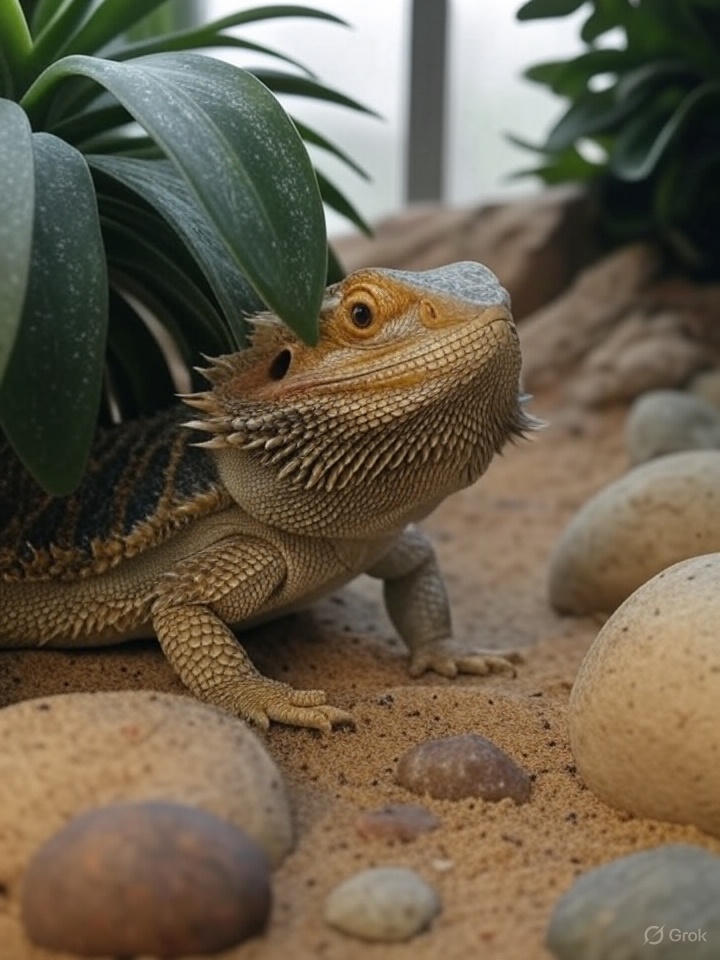
Bearded dragons thrive on a diet that mirrors their natural eating habits, but striking the right balance between protein and vegetables can feel like a puzzle. Too much protein can strain their kidneys, while too few greens can lead to nutritional gaps. Getting it right ensures your dragon stays healthy, active, and full of personality. In this guide, we’ll break down how to balance protein and vegetables for bearded dragons of all ages, share practical feeding tips, and highlight tools to simplify the process. Let’s set your scaly friend up for a long, vibrant life.
Why Diet Balance Matters for Bearded Dragons
Bearded dragons are omnivores, meaning they need both animal-based protein (insects) and plant-based foods (vegetables and greens) to thrive. The right balance supports growth, energy, and long-term health. A diet too heavy in insects can cause obesity or kidney issues, while one lacking protein can stunt growth, especially in juveniles. Age plays a big role—babies need more protein for growth, while adults lean heavily on greens.
A balanced diet also prevents issues like metabolic bone disease (MBD), which stems from calcium deficiencies. Dusting insects with a supplement like Zoo Med Repti Calcium* is a simple way to boost nutrition. As an Amazon Associate, I earn from qualifying purchases. Let’s explore how to tailor the diet to your dragon’s needs.
Age-Based Protein and Vegetable Ratios
The balance of protein and vegetables shifts as bearded dragons age. Here’s a breakdown:
| Age | Protein (Insects) | Vegetables/Greens | Feeding Frequency |
|---|---|---|---|
| Hatchling (0-3 months) | 70-80% | 20-30% | 3-5 times daily |
| Juvenile (4-12 months) | 50-60% | 40-50% | 2-3 times daily |
| Adult (12+ months) | 20-30% | 70-80% | 1-2 times daily |
- Hatchlings: Need frequent, protein-rich meals (e.g., small crickets, pinhead roaches) to fuel rapid growth. Offer greens daily to build healthy habits.
- Juveniles: Transition to more vegetables as growth slows. A mix of insects and greens in a Fluker’s Repta-Bowl* keeps meals consistent.
- Adults: Focus on leafy greens and vegetables, with insects as a supplement. A pelleted option like Zoo Med Bearded Dragon Food* can complement fresh foods.
The Bearded Dragon Feeding Calculator is a must-have for getting this balance right. Owners love this tool for generating tailored feeding plans based on your dragon’s age and weight, ensuring no guesswork.
Best Protein Sources for Bearded Dragons
Protein comes primarily from live insects, which provide essential nutrients and encourage natural hunting behaviors. Here are top choices:
- Crickets: High in protein, widely available. Feed appropriately sized crickets (no larger than the space between your dragon’s eyes).
- Dubia Roaches: Nutrient-dense and less likely to escape than crickets. A favorite for many dragons.
- Phoenix Worms: Soft-bodied and calcium-rich, ideal for younger dragons.
- Mealworms: Suitable for adults in moderation due to high chitin content.
Dust insects with Zoo Med Repti Calcium* 2-3 times weekly to prevent MBD. Serve insects in a sturdy Fluker’s Repta-Bowl* to keep them contained and encourage eating. Avoid overfeeding protein, as excess can strain organs, especially in adults.
Top Vegetables and Greens for Bearded Dragons
Vegetables and greens form the backbone of an adult bearded dragon’s diet, providing fiber, vitamins, and minerals. Safe, nutrient-rich options include:
- Collard Greens: High in calcium and low in oxalates, perfect for daily feeding.
- Dandelion Greens: Nutritious and often a dragon favorite. Ensure they’re pesticide-free.
- Butternut Squash: A great source of vitamin A, grated or finely chopped.
- Bell Peppers: Colorful and rich in vitamins, offered occasionally for variety.
- Kale: Feed sparingly due to oxalates, which can bind calcium.
Avoid toxic foods like spinach (high oxalates) or iceberg lettuce (low nutrients). Chop greens finely for younger dragons and serve in a Fluker’s Repta-Bowl* to keep meals tidy. For convenience, mix in Zoo Med Bearded Dragon Food* to ensure a balanced nutrient profile.
Practical Tips for Balancing the Diet
Balancing protein and vegetables takes planning. Here’s how to make it easy:
- Follow a Schedule: Use the Bearded Dragon Feeding Calculator to create a daily plan. For example, adults might get greens morning and evening, with insects three times weekly.
- Dust with Supplements: Apply Zoo Med Repti Calcium* to insects to boost calcium intake, especially for juveniles and egg-laying females.
- Vary Foods: Rotate insects and greens weekly to prevent boredom and ensure diverse nutrients.
- Monitor Portions: Offer what your dragon can eat in 10-15 minutes to avoid waste or overfeeding.
- Check Weight: Use a scale to track weight monthly, ensuring your dragon isn’t over- or underfed.
My dragon, Blaze, once turned his nose up at kale until I mixed it with grated squash. Experimenting with variety in a Fluker’s Repta-Bowl* turned him into a veggie fan.
Common Mistakes to Avoid
New owners often stumble when balancing diets. Here are pitfalls to dodge:
- Too Much Protein: Overfeeding insects, especially to adults, can cause obesity or kidney strain. Stick to age-based ratios.
- Skipping Supplements: Without calcium dusting, dragons risk MBD. Use Zoo Med Repti Calcium* consistently.
- Low Variety: Feeding the same greens daily can lead to nutritional gaps. Rotate options like collards and dandelion greens.
- Ignoring Age: Feeding a baby like an adult (or vice versa) disrupts growth. Adjust ratios as your dragon ages.
Consult a reptile veterinarian, like Dr. Stephanie Nelk, if you notice signs of poor nutrition, such as lethargy or soft bones.
Conclusion: Feed Your Dragon Right
Balancing protein and vegetables in a bearded dragon’s diet is all about matching their age, choosing quality foods, and sticking to a plan. Babies need protein-heavy meals, while adults thrive on greens with occasional insects. Tools like the Bearded Dragon Feeding Calculator take the stress out of planning, while products like Zoo Med Repti Calcium* and Zoo Med Bearded Dragon Food* ensure nutritional needs are met. Got a picky dragon? Share your feeding tips or questions in the comments—I’d love to hear how you keep your scaly friend happy and healthy!
BeardedBuddies.com collaborates with reptile experts to provide accurate, trustworthy care advice. This site participates in the Amazon Associates Program, earning from qualifying purchases.
About the Author
Dragon King, founder of BeardedBuddies.com, has raised bearded dragons for over seven years. His dragon, Blaze, once refused greens until Dragon King discovered the magic of mixing veggies in a feeding bowl. Partnering with experts like Dr. Stephanie Nelk, a reptile veterinarian, Dragon King shares practical advice to help owners worldwide feed their dragons right. All tips are based on consultations with herpetologists and standard reptile care practices.