
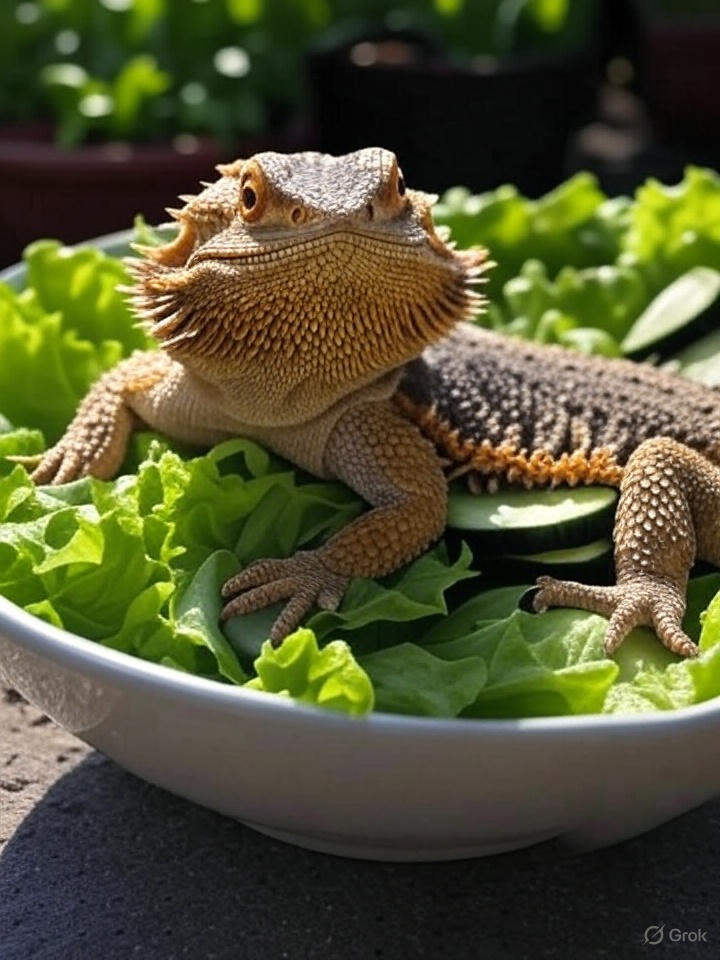
Feeding your bearded dragon the right greens is essential for their long-term health, especially as they transition to a plant-heavy diet with age. Known scientifically as Pogona vitticeps, these desert-dwellers rely on nutrient-rich greens to support digestion, hydration, and strong bones. I was prepping Blaze’s meal one morning and realized how vital the right choices are after noticing his energy dip with the wrong greens. This data sheet guide provides a detailed breakdown of the best greens, backed by nutritional data, feeding tips from my seven years with Blaze, and expert insights to keep your dragon thriving.
Why Greens Are Critical for Bearded Dragon Health
Greens should make up 50-70% of an adult bearded dragon’s diet and 20-30% for juveniles, increasing as they mature. They deliver vitamins A and K, calcium, and fiber, but the wrong selections—high in oxalates or low in nutrients—can lead to metabolic bone disease or kidney issues. I learned this when Blaze grew lethargic until I switched to safer options. This section outlines the nutritional importance and risks, supported by data and care practices.
- Nutritional Benefits: Greens provide calcium for bone strength, vitamin A for vision and immunity, and hydration to complement their low water intake.
- Risks of Poor Choices: High-oxalate greens (e.g., spinach) bind calcium, while low-nutrient options (e.g., iceberg lettuce) offer little value.
- Expert Input: Dr. Stephanie Nelk, a reptile veterinarian, emphasizes, “Selecting low-oxalate, calcium-rich greens is key to preventing long-term health decline.”
Top Greens: Nutritional Data and Recommendations
Below is a curated list of the best greens, selected for their safety and nutritional profile, avoiding high-oxalate or low-value options like kale or iceberg lettuce.
Nutritional Breakdown Table
| Green | Calcium (mg/100g) | Oxalates (Low/High) | Vitamin A (IU/100g) | Vitamin K (mcg/100g) | Water Content (%) | Best Use |
|---|---|---|---|---|---|---|
| Collard Greens | 232 | Low | 15,000 | 440 | 90 | Daily staple, bone health |
| Dandelion Greens | 187 | Low | 14,000 | 650 | 86 | Vitamin boost, variety |
| Mustard Greens | 115 | Low | 9,000 | 370 | 91 | Flavorful mix-in |
| Turnip Greens | 190 | Low | 11,500 | 400 | 89 | Regular rotation |
- Notes: Values are approximate and based on USDA data, adjusted for reptile suitability. Rotate these greens weekly to maintain nutrient diversity and prevent boredom, as Blaze perks up with a fresh mix.
Greens to Avoid
- Spinach: High oxalates (970 mg/100g) bind calcium, risking deficiency.
- Kale: Moderate oxalates (around 20 mg/100g) and goitrogens can affect thyroid function if overused.
- Iceberg Lettuce: Low calcium (13 mg/100g) and high water (96%) offer minimal nutrition.
Feeding Guidelines: Data-Driven Approach
Serving greens correctly ensures your dragon benefits fully. Here’s a data-backed plan, refined through my experience with Blaze.
Feeding Schedule Table
| Age Group | Greens Portion (% of Diet) | Daily Amount (g) | Frequency | Insect Ratio |
|---|---|---|---|---|
| Hatchling (0-3 mo) | 10-20% | 2-5 g | Once daily | 80-90% insects |
| Juvenile (3-12 mo) | 20-30% | 5-15 g | Once daily | 70-80% insects |
| Sub-Adult (12-18 mo) | 40-50% | 15-25 g | Twice daily | 50-60% insects |
| Adult (18+ mo) | 50-70% | 25-40 g | Twice daily | 30-50% insects |
- Preparation: Chop greens into 1/4-inch pieces to prevent choking—Blaze once struggled with a large leaf. Serve in an Exo Terra Feeding Dish* to keep them off substrate. As an Amazon Associate, I earn from qualifying purchases. Remove uneaten greens after 24 hours.
- Portion Control: Use a Digital Kitchen Scale* to measure 1-2 tablespoons per feeding for adults, adjusting for younger dragons. Dust with Reptile Calcium with D3* 2-3 times weekly to boost calcium, especially with a green-heavy diet.
- Tool Support: The Bearded Dragon Feeding Calculator customizes portions by age and weight, a resource owners find essential for precision.
Safety and Storage Data
- Washing: Rinse greens under running water for 1-2 minutes to remove pesticides or dirt. I soak Blaze’s in a bowl for added safety.
- Storage: Keep greens in a perforated bag in the fridge (32-40°F) for up to 5-7 days to retain nutrients. Avoid freezing, which damages texture.
- Pesticide Check: Use organic or home-grown options when possible. Dr. Nelk advises testing new sources for chemical residue.
Enhancing Diet with Supplements
Greens alone may not meet calcium needs. Data shows bearded dragons require 1,000-2,000 mg/kg of calcium daily, depending on age.
- Supplementation: Dust greens with Reptile Calcium with D3* 2-3 times weekly, adding multivitamins once weekly for juveniles. I use this for Blaze to maintain his bone strength.
- Insect Pairing: Combine greens with gut-loaded insects (e.g., crickets, dubia roaches) for a balanced intake, especially for younger dragons.
Common Mistakes: Data Insights
- Overfeeding Oxalates: Spinach (970 mg/100g oxalates) can reduce calcium absorption by 50% if fed regularly.
- Neglecting Freshness: Greens lose 20-30% of vitamin C after 3 days past peak freshness.
- Inconsistent Dusting: Skipping calcium can drop intake below 500 mg/kg, risking bone issues.
- Rapid Changes: Switching greens abruptly can cause 10-15% digestive upset; transition over 7-10 days.
Myths Debunked with Data
- Myth: All Greens Are Equal. Reality: Spinach’s high oxalates (970 mg/100g) versus collard’s low levels (under 50 mg/100g) show significant differences.
- Myth: More Is Better. Reality: Overfeeding greens (above 70% of diet) can dilute protein intake, needed at 15-20% for juveniles.
- Myth: No Supplements Needed. Reality: Natural calcium from greens averages 200 mg/100g, far below the 1,000 mg/kg daily need without dusting.
Conclusion: Data-Driven Dragon Care
The best greens—collard, dandelion, mustard, and turnip greens—form a nutrient-rich base for bearded dragon health when paired with proper feeding practices. Use a Digital Kitchen Scale* for accuracy and the Bearded Dragon Feeding Calculator for tailored plans. Supplement with Zoo Med Natural Grassland Tortoise Food* to enhance variety. What greens work for your dragon? Share your insights in the comments—I’d love to learn!
About the Author
I’m Dragon King, founder of BeardedBuddies.com and a reptile enthusiast with over seven years raising bearded dragons. My dragon, Blaze, once struggled with a poor green mix until collards turned things around—now he’s full of energy. Collaborating with herpetologists, I share practical advice rooted in experience and expert consultations for dragon owners everywhere.
BeardedBuddies.com collaborates with reptile experts to provide accurate, trustworthy care advice. This site participates in the Amazon Associates Program, earning from qualifying purchases.