
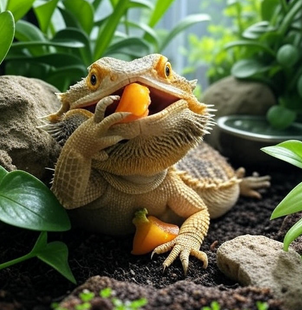
Imagine your bearded dragon tilting its spiky head at a bright bell pepper slice, those curious eyes sparkling with interest. These little desert dynamos have a way of stealing your heart with every wave and wiggle, and what they chow down on is the secret sauce to their long, happy days. Nailing the right diet isn’t just about filling their bellies—it’s about fueling a life that could stretch 15 years or more with the right care. So, let’s dig into the juicy question: can bearded dragons eat bell peppers? We’ll unpack the goodies they bring, the pitfalls to dodge, how to serve them up smart, and a lineup of veggie pals to keep the menu popping.
Whether you’re just starting out and scratching your head over “can bearded dragons eat bell peppers?” or you’re a seasoned dragon wrangler looking to spice things up, we’re in for a deep dive. Expect a treasure trove of know-how—nutritional breakdowns, serving tricks, pro tips, and even some data to chew on. By the time we’re done, you’ll be armed with everything to keep your scaly buddy thriving, basking, and growing strong for years to come.
Do Bell Peppers Make the Cut for Dragon Dinners?
Bell peppers can absolutely crash the party on your bearded dragon’s plate, but they’re more of a guest star than the main dish. These rainbow-hued veggies—red, yellow, green—pack a punch with vitamin C for immunity, vitamin A for sharp eyes, and a splash of water to keep things hydrated. They’re a fun way to shake up the usual greens, and their crisp bite often gets a nod of approval from these picky eaters. But here’s the catch: they’re low on calcium and carry a hint of sugar and oxalates, which can latch onto calcium and spark trouble like metabolic bone disease (MBD) if you overdo it.
Every life stage can join the bell pepper bandwagon—hatchlings, juveniles, and adults—but the tune changes with age. Tiny hatchlings, with their calcium-hungry bones, need just a nibble, while juveniles and adults can handle a bit more, provided it’s rare. Out in the wild Australian outback, these lizards munch on native plants and insects, not peppers, so in captivity, it’s on us to keep it a special treat rather than a daily habit. Want to lay the groundwork? Check out our bearded dragon diet balance for the big picture.
The Perks and Pitfalls of Bell Peppers
Let’s break down what bell peppers bring to the table. The vitamin C is a shield against colds and keeps their immune system humming—think of it as their personal bodyguard. Vitamin A sharpens their vision, perfect for spotting that next cricket, and the water content is a lifeline in a dry tank setup. Owners often grin when their dragons crunch into a red or yellow slice, loving the color pop and texture shift from the usual leafy fare.
Now, the flip side. That low calcium content, paired with oxalates, can mess with bone health if it becomes a regular gig, potentially leading to MBD—a condition where bones soften and twist, cutting life short. The sugar, though mild, might stir up a tummy rumble or pack on extra weight if overfed. Left unchecked, these could trim those precious years, so it’s all about keeping the portions light and infrequent. Curious about dodging MBD? Peek at our bearded dragon bone disease prevention for the lowdown.
Nutritional Snapshot of Bell Peppers
| Nutrient | Amount per 100g (Red Bell Pepper) | Benefit for Bearded Dragons | Caution |
|---|---|---|---|
| Vitamin C | 128 mg | Boosts immunity | Excess may upset digestion |
| Vitamin A | 157 µg (as beta-carotene) | Supports vision and skin | Overdose risk if unbalanced |
| Calcium | 7 mg | Low, needs supplementation | Risk of deficiency |
| Oxalates | Moderate | Binds calcium | Limits with other greens |
| Sugar | 4.2 g | Adds flavor | Can cause obesity if excess |
This table, slim and mobile-friendly, gives you the quick scoop. Red peppers edge out green in vitamin A, but all colors share the same calcium challenge—more on balancing that later.
Serving Bell Peppers with Finesse
Ready to toss a bell pepper into the mix? Start with a thorough wash to kick pesticides to the curb, then slice into tiny, dragon-friendly bits—dime-sized chunks for adults, smaller for the little ones—to avoid any choking mishaps. Ditch the seeds and that white pith; they’re not worth the digestive drama.
Roll them out once or twice a month—1-2 small slices for an adult, half that for a juvenile. Team it up with calcium-rich greens like mustard greens, dusted with Fluker’s Reptile Calcium Supplement Without Vitamin D3*, to counter those oxalates. Keep a sharp eye for runny poop or a lazy slump; if it shows, dial it back or skip it next time. Need age-specific pointers? Our baby bearded dragon diet tips has you covered.
*As an Amazon Associate, I earn from qualifying purchases.
Veggie All-Stars to Swap In
If bell peppers need a break, here’s a lineup of veggie rockstars to keep the plate exciting:
- Butternut Squash: Vitamin A goldmine, serve up weekly cubes.
- Collard Greens: Calcium champ, make it a daily staple.
- Zucchini: Light and low-oxalate, toss in now and then.
Steer clear of oxalate-heavy spinach or watery iceberg lettuce—those are troublemakers. Mix with favorites like bell peppers and dust those bugs with HERPTIVITE Multivitamin for reptiles and amphibians* for a nutrient slam dunk. Owners rave about this combo keeping dragons spry and eager. Dig into more with our safe vegetables for bearded dragons.
The Diet-Longevity Connection
What your bearded dragon munches on is the heartbeat of its lifespan. Adults cruise on an 80% veggie, 20% insect split, while juveniles flip it for those growth spurts. Veggies like bell peppers jazz up the menu, but too much can throw off the nutrient mix or pile on pounds, shortening their run.
Crank it up with top-notch lighting from the Arcadia Pro T5 UVB Lighting Kit – 24W – Dragon* to lock in calcium magic, and use the Reptile Tank Thermometer, PAIZOO LED Digital Reptile Thermometer and Humidity Gauge* to nail temps (100-110°F basking, 80°F cool side) for smooth digestion. Nail this, and you’re looking at a 15+ year companion. For tank inspo, check our bearded dragon enclosure designs.
Dietary Guidelines by Life Stage
| Life Stage | Age Range | Veggie % | Insect % | Notes on Bell Peppers |
|---|---|---|---|---|
| Hatchling | 0-3 months | 20% | 80% | Tiny nibbles, rare (1x/month) |
| Juvenile | 3-12 months | 50% | 50% | Small amounts, 1x/month |
| Sub-Adult | 12-18 months | 70% | 30% | Moderate, 1-2x/month |
| Adult | 18+ months | 80% | 20% | Occasional, 1-2x/month |
This table, crafted for mobile ease, maps out the shift—bell peppers fit best as adults ease into veggie dominance.
Spotting Diet Hiccups and Jumping In
Keep your radar up for diet slip-ups. Soggy stools or a chubby tail scream too much pepper sugar. Wobbly legs or a droopy vibe might flag calcium loss—hit up a vet if it lingers. Skipping meals or funky droppings? Dash to a reptile pro pronto.
Yearly vet checkups with poop tests and blood checks catch imbalances or critters. If something’s off, tweak the servings and flip to our common health issues bearded dragons. The Bearded Dragon Care Checklist keeps it all tight—owners lean on it like a trusty map.
Wrapping Up the Feast
So, can bearded dragons eat bell peppers? Absolutely, as a occasional treat—once or twice a month in small, prepped slices—to sidestep sugar and oxalate snags. Pair with calcium-rich greens and the right lighting for a peppy, long life of 8-15+ years. Your care calls the shots.
Tossed bell peppers to your dragon yet, or got a veggie trick up your sleeve? Spill it in the comments—let’s weave our bearded dragon tribe tighter!
BeardedBuddies.com collaborates with reptile experts to provide accurate, trustworthy care advice. This site participates in the Amazon Associates Program, earning from qualifying purchases.
About the Author
I’m Dragon King, the soul of BeardedBuddies.com, with over seven years wrangling these spiky wonders. My buddy Blaze chomped a bell pepper slice at 10—now 12, he’s still strutting on collards. I buddy up with herpetology ace Dr. Stephanie Nelk to drop solid advice, linking dragon lovers worldwide with real-world wisdom.