
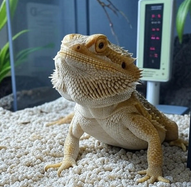
Bearded dragons captivate with their quirky antics and expressive moves, and one puzzle that often stumps owners is tail twitching. What does tail twitching mean in bearded dragons? This flicker can hint at everything from excitement to unease, serving as a peek into their world. Decoding it lets you fine-tune their care, boosting their happiness and health. Whether you’re new to these scaly pals or a seasoned keeper, this guide unravels the mystery of tail twitching and offers practical ways to support your dragon’s well-being.
Tail twitching is a bearded dragon’s natural chatter, rooted in instinct or their surroundings. It might signal alertness, irritation, or even playfulness. This post digs into the why behind those wags, giving you tools to read and react. Let’s dive into what tail twitching means and how to keep your pet thriving.
Observe the Context of Tail Twitching
To crack what tail twitching means in bearded dragons, zoom in on the moment it happens. This behavior can pop up during meals, social moments, or tank tweaks. A slow, thoughtful twitch might show curiosity as they eye crickets or explore their space. On the flip side, fast, jerky wags could flag stress or annoyance—maybe from a nearby cat or a sudden bang.
Scan the scene when it strikes. Is another pet lurking? Is the tank too chilly? Use a Reptile Tank Thermometer, PAIZOO LED Digital Reptile Thermometer and Humidity Gauge* to check temps (75-85°F cool, 95-100°F warm) and humidity (30-40%). Logging these episodes can spot trends. Adjust their setup—add a hide or dim the lights—to keep them chill. Learn more about habitat tweaks in our bearded dragon terrarium size tips.
Recognize Signs of Stress or Aggression
Tail twitching can scream stress or aggression in bearded dragons. Quick, side-to-side flicks, especially with a puffed beard or hiss, suggest they feel cornered. Triggers might include a crowded tank, rough handling, or a new toy spooking them. If you see this, step back and scout for trouble.
Ease stress with a solid tank setup. A REPTI ZOO Full Glass 35 Gallon Reptile Tank* offers room to roam, while hides create safe spots. Limit handling to calm sessions and watch for ongoing twitching—persistent cases need a vet check for health red flags. Early fixes keep your dragon relaxed and healthy.
Look for Hunting or Feeding Excitement
Tail twitching can also mean feeding fun. When crickets or worms catch their eye, a gentle tail wag shows they’re locked on, tapping into their wild hunting vibe. This prep-for-the-strike move is pure instinct, keeping them sharp.
Fuel this natural groove with a mixed diet—live bugs like dubia roaches and fresh greens. Feed adults once or twice daily, juveniles two to three times, matching portions to their size. Skip overfeeding to dodge obesity. Bond over meals by offering treats with Exo Terra Feeding Tongs*. Dive into diet details with our baby bearded dragon diet tips.
Monitor for Health-Related Tail Twitching
Sometimes, tail twitching flags health hiccups. Odd tremors or jerks might stem from nerve issues, low calcium, or injury pain. If it looks off—say, constant shakes—check for lethargy or skipped meals, other distress clues.
Guard against this with a solid diet. Dust feeders with Fluker’s Reptile Calcium Supplement Without Vitamin D3* to fend off metabolic bone disease, and pair with HERPTIVITE Multivitamin for Reptiles and Amphibians* for balance. Arcadia Pro T5 UVB Lighting Kit – 24W – Dragon* Regular checkups, detailed in our bearded dragon vet visit frequency, catch problems early.
Create a Comfortable Environment
A well-crafted habitat cuts down stress-induced tail twitching. Go big with a tank—40 gallons for juveniles, 75-120 for adults—using REPTI ZOO Full Glass 35 Gallon Reptile Tank* as a starter. Swap sand for reptile carpet or tiles for easy cleaning, and add basking rocks, branches, and hides.
Keep lighting and humidity spot-on (30-40%) with a Reptile Tank Thermometer, PAIZOO LED Digital Reptile Thermometer and Humidity Gauge*. Run a 12-14 hour light cycle to match their rhythm. If twitching flares during handling, cap sessions at 10-15 minutes and move gently. A cozy setup keeps tail wags tied to joy, not worry. Explore more in our best bearded dragon substrate tips.
Conclusion
Grasping what tail twitching means in bearded dragons empowers you to meet their needs. By noting context, spotting stress or excitement, watching health signs, and building a snug habitat, you’ll keep your pet secure and spirited. Tail twitching opens a window to their feelings, deepening your bond and elevating their care. Share your twitching tales or tips in the comments!
BeardedBuddies.com collaborates with reptile experts to provide accurate, trustworthy care advice. This site participates in the Amazon Associates Program, earning from qualifying purchases.
About the Author
Dragon King, founder of BeardedBuddies.com, here. With over seven years raising bearded dragons, my own Blaze once twitched like mad during a tank move—stress, not play! Working with herpetologists like Dr. Stephanie Nelk, I bring you solid, hands-on advice to help your dragon flourish. All tips draw from expert input and proven practices.