
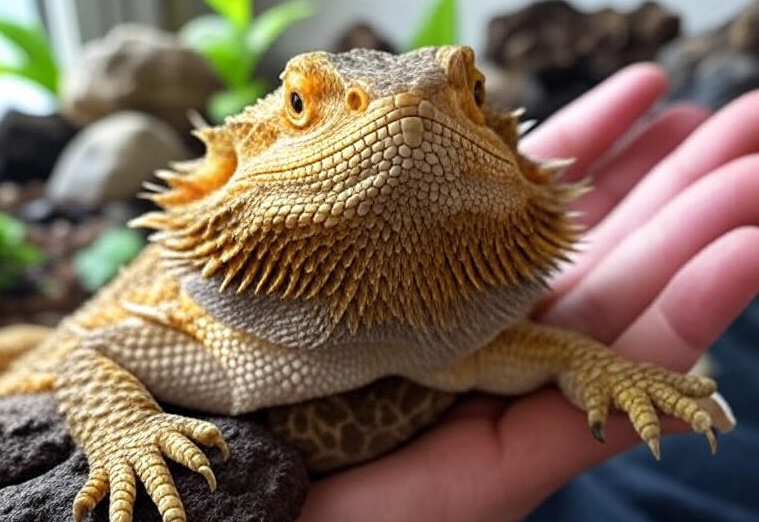
Have you ever wondered if your bearded dragon might enjoy a bite of apple while basking in its tank? These charming reptiles win over owners with their lively antics, and their diet is crucial to their health. Knowing which foods are safe can transform their well-being. This guide explores whether bearded dragons can eat apples, the pros and cons, how to serve them safely, and other fruit options to keep your pet in great shape.
Whether you’re a new owner asking “can bearded dragons eat apples?” or a veteran keeper mixing up the menu, we’ll dive into nutritional details, portion tips, and expert advice. By the end, you’ll be equipped to craft a diet that supports a long, healthy life for your dragon.
Are Apples Safe for Bearded Dragons?
Apples can be a safe occasional treat for bearded dragons when prepared properly. They offer vitamin C, fiber, and a bit of hydration, supporting immunity and digestion. However, they’re low in calcium, contain moderate sugar, and have small amounts of oxalates, which can bind calcium and risk metabolic bone disease (MBD) if overfed.
Healthy adults and juveniles can enjoy apples sparingly, but babies should avoid them due to their sensitive digestive needs and higher calcium demands. Wild bearded dragons don’t naturally eat apples, so captivity requires careful moderation. Keep portions minimal to maintain balance. For dietary foundations, see our bearded dragon diet balance.
Benefits and Risks of Feeding Apples
Apples bring some benefits when used judiciously. Vitamin C strengthens immunity, fiber aids digestion, and the water content helps hydration, making them a nice occasional perk. Owners often see their dragons take interest in the crisp taste, adding variety to a veggie diet.
The risks include moderate sugar, which can lead to obesity or diarrhea if overdone, and low calcium paired with oxalates, potentially causing MBD over time. These issues can shorten lifespan if not controlled, so portion control is vital. For MBD prevention, check our bearded dragon bone disease prevention.
How to Serve Apples Safely
To make apples a safe treat, preparation is key. Wash them thoroughly to remove pesticides, then peel and chop into small, bite-sized pieces—about the size of a pea for adults, finer for juveniles—to prevent choking. Remove seeds and core to avoid cyanide risks and digestive blockages.
Offer once or twice a month, limiting to 1-2 small pieces for an adult or half that for a juvenile. Pair with calcium-rich greens like dandelion greens, dusted with Fluker’s Reptile Calcium Supplement Without Vitamin D3*, to offset oxalates. Watch for loose stools or low energy; if seen, reduce or stop. For age-specific tips, see our baby bearded dragon diet tips.
*As an Amazon Associate, I earn from qualifying purchases.
Alternative Fruits and Treats
If apples raise concerns, other fruits can diversify your dragon’s diet. Try these safe options:
- Blueberries: Low oxalate, high antioxidants—offer a few weekly.
- Pears: Peeled and diced, a gentle choice in small amounts.
- Papaya: Vitamin A-rich, limit to tiny bites monthly due to sugar.
Avoid high-sugar fruits like bananas or high-oxalate ones like spinach. Mix with staples like bell peppers and dust insects with HERPTIVITE Multivitamin for reptiles and amphibians* for balanced nutrition. Owners find this variety keeps dragons eager. Explore more in our safe vegetables for bearded dragons.
The Role of Diet in Longevity
Diet plays a critical role in how long do bearded dragons live. Adults thrive on 80% vegetables and 20% insects, while juveniles need the reverse for growth. Fruits like apples add flavor but should stay minimal—overuse risks nutrient imbalances or obesity.
Enhance with proper lighting using the Arcadia Pro T5 UVB Lighting Kit – 24W – Dragon* to support calcium absorption, and monitor with the Reptile Tank Thermometer, PAIZOO LED Digital Reptile Thermometer and Humidity Gauge* for digestion-friendly temps (100-110°F basking, 80°F cool side). This balance can extend life to 15+ years. For habitat setup, see our bearded dragon tank size.
Signs of Dietary Issues and When to Act
Catch dietary problems early. Runny stools or weight gain suggest too much sugar from apples. Weak limbs or tiredness may indicate calcium loss—consult a vet if it persists. Refusal to eat or unusual poop colors needs immediate vet attention.
Annual checkups with fecal tests and bloodwork detect imbalances or parasites. If issues arise, adjust portions and refer to our common health issues bearded dragons. The Bearded Dragon Care Checklist tracks diet—owners value its structure.
Conclusion
So, can bearded dragons eat apples? Yes, as a rare treat—once or twice a month in small, prepared pieces—to avoid sugar and oxalate risks. Pair with calcium-rich foods and proper lighting for a healthy, long life of 8-15+ years. Your care is the foundation.
Have you fed apples to your dragon, or do you have a favorite fruit to share? Drop a comment below—let’s connect and grow our bearded dragon community!
BeardedBuddies.com collaborates with reptile experts to provide accurate, trustworthy care advice. This site participates in the Amazon Associates Program, earning from qualifying purchases.
About the Author
I’m Dragon King, founder of BeardedBuddies.com, with over seven years raising bearded dragons. My dragon, Blaze, tried an apple piece at 9 years old as a treat—now 12, he thrives on greens. I partner with herpetologists like Dr. Stephanie Nelk to share reliable care tips, connecting owners globally with practical knowledge.