
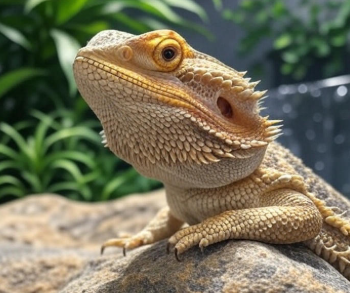
Bearded dragons are fascinating reptiles, full of quirks that make them beloved pets. One of their most intriguing features is the “third eye,” a mysterious organ that sparks curiosity among owners. This isn’t a sci-fi superpower but a real anatomical trait called the parietal eye. So, what exactly is the third eye of a bearded dragon, and why does it matter? In this guide, we’ll explore its function, how it impacts your dragon’s behavior, and practical tips for supporting this unique feature. Whether you’re a new owner or a seasoned keeper, understanding the parietal eye will help you create a healthier environment for your scaly friend.
As an Amazon Associate, I earn from qualifying purchases. For example, using a high-quality UVB light like the Arcadia Pro T5 UVB Lighting Kit – 39W – Desert* ensures your dragon’s third eye functions optimally by mimicking natural sunlight.
What is the Parietal Eye?
The third eye, or parietal eye, is a small, photosensitive organ located on the top of a bearded dragon’s head, often appearing as a tiny gray or translucent spot. Unlike their regular eyes, it doesn’t form images but detects light and shadow. This ancient feature, found in many reptiles, connects to the pineal gland in the brain, influencing behaviors like basking and circadian rhythms. According to Dr. Stephanie Nelk, a reptile veterinarian, the parietal eye acts like a built-in environmental sensor, helping bearded dragons navigate their surroundings.
Think of it as a biological light meter. When I first noticed the subtle spot on my dragon Blaze’s head, I thought it was just a scale. Learning it was a functional organ blew my mind—it’s like nature gave these lizards a sixth sense for survival!
How Does the Parietal Eye Work?
The parietal eye is all about light detection. It senses changes in light intensity and wavelength, helping bearded dragons regulate their body clocks and respond to environmental cues. Here’s how it functions:
- Light Detection: The parietal eye picks up UVB and visible light, signaling when it’s time to bask or seek shade. This is why proper lighting, like the Arcadia Pro T5 UVB Lighting Kit – 39W – Desert*, is critical—it mimics the sun’s rays that the third eye relies on.
- Thermoregulation: By sensing light and heat, it helps dragons decide when to move to a warmer or cooler spot in their enclosure. A tool like the REPTI ZOO Digital Thermostat* ensures the temperature gradient stays perfect for this process.
- Predator Awareness: The eye can detect overhead shadows, alerting the dragon to potential threats like birds. This explains why Blaze sometimes bolts when a shadow passes over his tank.
| Function | How It Helps | Care Tip |
|---|---|---|
| Light Detection | Regulates circadian rhythms | Use a UVB bulb like Arcadia Pro T5 UVB Lighting Kit* for natural light cycles |
| Thermoregulation | Guides basking behavior | Maintain a gradient with REPTI ZOO Digital Thermostat* |
| Predator Awareness | Detects overhead shadows | Avoid sudden movements above the tank |
This table shows how the parietal eye’s roles tie directly to care practices, making it easier to support your dragon’s natural instincts.
Why the Third Eye Matters for Bearded Dragon Care
The parietal eye isn’t just a cool quirk—it’s a key part of your dragon’s health. Since it influences basking, sleep, and stress responses, your enclosure setup directly affects its function. Poor lighting or incorrect temperatures can disrupt the signals the parietal eye sends to the brain, leading to issues like lethargy or improper thermoregulation. For example, without adequate UVB, your dragon might not bask enough, impacting metabolism and vitamin D3 synthesis.
I learned this the hard way when Blaze started acting sluggish. A quick check with a Reptile Tank Thermometer, PAIZOO LED Digital* revealed his basking spot was too cool. Adjusting the setup with a reliable thermostat fixed the issue, and he was back to his perky self. Owners swear by tools like the Bearded Dragon Care Checklist for tailored plans to keep lighting and heat on point—because nobody wants a cranky dragon!
Common Myths About the Third Eye
Let’s bust some myths that float around reptile forums:
- Myth: The third eye lets bearded dragons see images like their regular eyes.
- Fact: The parietal eye only detects light and shadow, not detailed images. It’s more about sensing than seeing.
- Myth: You can ignore the third eye in care routines.
- Fact: Proper lighting and temperature are non-negotiable for its function. A timer like the Zilla Digital Temperature Controller* automates light cycles, ensuring consistency.
- Myth: The third eye makes bearded dragons psychic.
- Fact: While it’s a neat feature, it’s purely biological, not mystical. It helps with survival, not fortune-telling!
Understanding these truths helps you focus on practical care rather than chasing myths.
Practical Tips to Support the Parietal Eye
To keep your bearded dragon’s third eye functioning well, focus on creating an environment that mimics their natural habitat. Here are actionable tips:
- Optimize Lighting: Use a high-quality UVB bulb like the Arcadia Pro T5 UVB Lighting Kit – 39W – Desert* to provide the full spectrum of light. Replace bulbs every 6-12 months, as UVB output fades.
- Control Temperature: Maintain a basking spot of 95-100°F and a cool side of 75-85°F. The REPTI ZOO Digital Thermostat* is a game-changer for precision.
- Monitor Humidity: Keep humidity between 30-40% to avoid skin issues that could affect the parietal eye’s surface. The Reptile Tank Thermometer, PAIZOO LED Digital* tracks both temperature and humidity.
- Feed a Balanced Diet: A healthy dragon supports all sensory functions. Offer nutrient-rich foods like Fluker’s Freeze-Dried Crickets* alongside fresh veggies for overall vitality. Curious about other safe foods? Check out Can Bearded Dragons Eat Cabbage? for more diet tips.
- Avoid Overhead Disturbances: Minimize sudden shadows or movements above the tank to reduce stress on the parietal eye’s predator detection.
These steps not only support the third eye but also enhance your dragon’s overall well-being. For more enrichment ideas to keep your dragon engaged, see DIY Enrichment Ideas for Bearded Dragons.
Potential Issues and When to Worry
While the parietal eye is low-maintenance, certain issues can affect it indirectly. Watch for:
- Lighting Problems: Insufficient UVB can disrupt the parietal eye’s light detection, leading to behavioral changes. Always ensure your setup includes a bulb like the Arcadia Pro T5 UVB Lighting Kit*.
- Skin Issues: Excessive humidity or poor shedding can cover the parietal eye, reducing its sensitivity. Use a Reptile Tank Thermometer, PAIZOO LED Digital* to monitor conditions.
- Stress Responses: If your dragon seems overly skittish, check for frequent shadows or improper light cycles. A Zilla Digital Temperature Controller* can stabilize the environment.
If you notice persistent lethargy or abnormal behavior, consult a reptile vet. For more on spotting health issues, read Common Health Issues in Bearded Dragons.
Conclusion
The third eye of a bearded dragon is a remarkable feature that highlights the incredible adaptability of these reptiles. By understanding its role in light detection, thermoregulation, and predator awareness, you can fine-tune your dragon’s enclosure to support this unique organ. From using reliable tools like the Arcadia Pro T5 UVB Lighting Kit* to maintaining proper temperatures with a REPTI ZOO Digital Thermostat*, small tweaks make a big difference. Got questions about your dragon’s setup? Share your thoughts in the comments or try the Bearded Dragon Care Checklist to stay organized—it’s a lifesaver for busy owners!
BeardedBuddies.com collaborates with reptile experts to provide accurate, trustworthy care advice. This site participates in the Amazon Associates Program, earning from qualifying purchases.
About the Author
Dragon King is the founder of BeardedBuddies.com and a dedicated reptile enthusiast with over seven years of experience caring for bearded dragons. His dragon, Blaze, once darted under a rock when a ceiling fan cast a shadow over his tank, a classic parietal eye reaction! Dragon King’s mission is to share practical, vet-backed advice to help owners worldwide create thriving environments for their dragons. All tips are crafted with input from herpetologists to ensure accuracy and trust.