
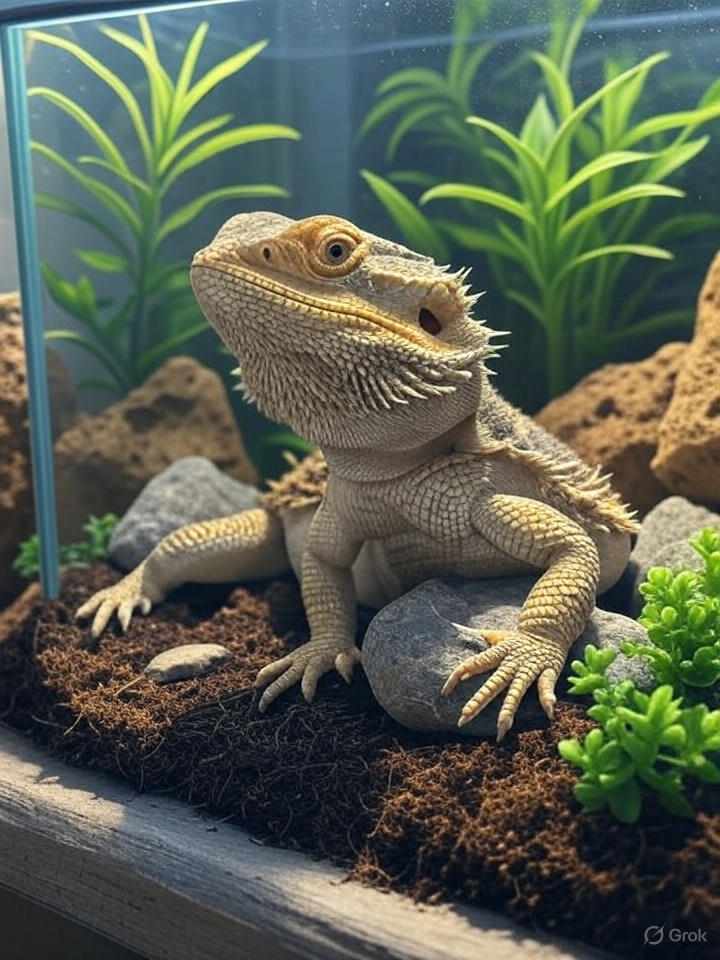
Keeping your bearded dragon engaged and happy goes beyond just feeding them. These curious reptiles thrive with mental and physical stimulation, turning their tank into a playground of sorts. When I introduced some homemade enrichment for my bearded dragon, Blaze, he went from lounging to exploring every corner, even at night. That spark of joy inspired me to share these DIY ideas. This guide dives into creative, budget-friendly enrichment projects for bearded dragons, boosting their well-being with safe, hands-on activities. Whether you’re a new owner or looking to spice up your dragon’s day, these tips will help you craft a stimulating environment tailored to their instincts.
Why Enrichment Matters for Bearded Dragons
Bearded dragons are naturally active, foraging and climbing in the wild Australian outback. In captivity, a plain tank can lead to boredom, stress, or even health issues like weight gain or lethargy. Enrichment—adding objects for exploration, climbing, or hiding—mimics their natural habitat, keeping their minds sharp and bodies fit.
Veterinarians note that mental stimulation reduces stress markers, like black beards, and encourages natural behaviors like hunting or basking.
Dr. Stephanie Nelk, a reptile specialist, suggests rotating items to maintain interest. Juveniles and adults alike benefit, with younger dragons needing more frequent changes due to their high energy. A enriched setup supports both physical health and emotional balance.
DIY Enrichment Ideas to Try
1. Homemade Climbing Structures
Use branches or driftwood from your yard (cleaned and baked at 200°F for 30 minutes) to create ramps or ladders. Secure them with non-toxic glue or stack them for stability. Blaze loves scaling a branch I propped against a rock—it’s his go-to perch now.
2. Hidden Treat Spots
Drill small holes in a piece of untreated wood or carve out a log to hide insects like crickets. This mimics foraging, encouraging your dragon to hunt. Start with easy access and make it trickier as they get the hang of it.
3. Sensory Tunnels
Roll cardboard into tubes or use safe fabric scraps to make tunnels. Add texture with safe pebbles or dried leaves inside. Ensure no loose ends for chewing, and replace if they wear out—Blaze darts through his tunnel daily.
4. Digging Boxes
Fill a shallow container with reptile-safe sand or coconut fiber (no chemicals). Bury treats or diggable toys like smooth stones. Supervise to prevent ingestion, and refresh the substrate weekly.
5. Puzzle Feeders
Cut slots in a plastic bottle (rinsed and edges smoothed) to dispense food as they nudge it. Secure it to avoid tipping. This slow-feeds them, extending mealtime engagement.
Materials for DIY Projects
Sourcing safe materials is key. Natural branches, rocks, and cardboard are free or cheap if you clean them properly. Avoid treated wood, sharp edges, or anything with glue residue. For a head start, As an Amazon Associate, I earn from qualifying purchases. Exo Terra Forest Bark Natural Terrarium Substrate* adds a natural base, while Zoo Med Laboratories SZMBU22 Natural Bushy Congo Ivy* offers leafy cover owners love for hiding spots.
As an Amazon Associate, I earn from qualifying purchases. Fluker’s Bend-A-Branch Terrarium Decoration Medium* bends into custom shapes, and Exo Terra Turtle Pebbles* provide safe texture. Top with As an Amazon Associate, I earn from qualifying purchases. Non-Adhesive Shelf Liner* for traction—community favorites for durability.
Here’s a quick guide to materials:
| Material | Cost | Best For | Safety Note |
|---|---|---|---|
| Branches | Free-$5 | Climbing | Bake to kill pests |
| Cardboard | Free-$1 | Tunnels | Seal edges, replace often |
| Sand | $5-10 | Digging | Use reptile-safe only |
| Plastic Bottle | Free | Feeders | Smooth all cuts |
| Fabric Scraps | Free-$3 | Tunnels | Check for dyes |
This table helps you pick based on your budget and dragon’s preferences.
Safety Considerations
Always prioritize safety. Test materials for heat resistance under your lamp—nothing should scorch. Avoid small parts they might swallow, and supervise new items initially. Clean enrichment weekly with a reptile-safe disinfectant to prevent bacteria. If your dragon shows stress (e.g., glass surfing), remove the item and consult a vet.
The Bearded Dragon Care Checklist is a great tool here—owners swear by its downloadable safety reminders, making sure every addition is secure.
Rotating and Refreshing Enrichment
Keep things fresh by swapping items every few weeks—bearded dragons lose interest in static setups. Store extras in a dry place to reuse later. Add seasonal touches like dried grasses in summer or extra hides in winter. Blaze perks up with each new tunnel I introduce, proving variety keeps them engaged.
The Bearded Dragon Enclosure Calculator helps plan space for new items, ensuring your tank stays balanced—few tools offer such tailored layout advice.
Common Enrichment Myths
Myth: Bearded dragons don’t need toys. Fact: Mental stimulation is as crucial as heat. Myth: Any wood works. Fact: Only untreated, cleaned wood is safe. Myth: Enrichment is expensive. Fact: DIY options like branches or cardboard beat store-bought costs. Experiment to see what clicks with your dragon.
Conclusion
DIY enrichment turns your bearded dragon’s tank into a lively world, boosting their health and happiness on a budget. Try climbing structures, treat spots, or digging boxes, and use tools like the Bearded Dragon Care Checklist to stay on track. Share your favorite idea in the comments or show us your dragon’s reaction to a new toy!
BeardedBuddies.com collaborates with reptile experts to provide accurate, trustworthy care advice. This site participates in the Amazon Associates Program, earning from qualifying purchases.
About the Author
Dragon King is the founder of BeardedBuddies.com and a reptile lover with over seven years of experience. His bearded dragon, Blaze, once ignored his plain tank until a homemade branch perch changed the game, fueling Dragon King’s passion for enrichment. He partners with herpetologists to offer practical, vet-backed tips, helping beardie owners worldwide. All advice stems from expert consultations and standard care practices.