
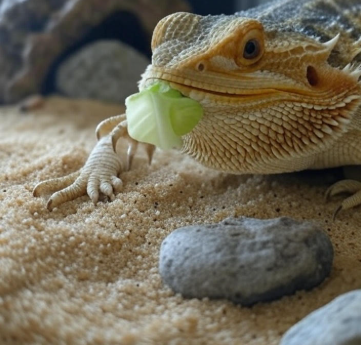
Caring for a bearded dragon often feels like solving a dietary puzzle. These desert reptiles thrive on a balanced mix of foods, and owners frequently wonder about common veggies like cabbage. Is it a nutritious addition or best avoided? This post explores whether cabbage suits a bearded dragon’s diet, highlighting its benefits, potential pitfalls, and safe serving tips. We’ll also suggest better alternatives and share practical advice to keep your pet happy and healthy.
Originating from Australia’s arid regions, bearded dragons (Pogona vitticeps) naturally eat insects, plants, and occasional fruits in the wild. In captivity, we replicate this with safe, accessible options. Cabbage is a kitchen staple, but does it work for beardies? Let’s dive into the details with insights from reptile experts to guide your feeding choices.
What Cabbage Offers Nutritionally for Bearded Dragons
Cabbage brings some valuable nutrients to a bearded dragon’s plate when offered sparingly. It’s rich in vitamin K, which supports blood clotting and bone health[1], and vitamin C, boosting their immune system[2]. The fiber content aids digestion, while its high water content helps with hydration. Green cabbage offers a calcium-to-phosphorus ratio of about 2:1, making it a decent choice for preventing bone issues compared to some veggies[3].
However, cabbage isn’t a nutritional powerhouse. A cup of green cabbage has around 25 calories, with little protein or carbs. Red cabbage adds antioxidants but comes with higher goitrogens, a concern we’ll address later. Compared to top greens like collards, cabbage falls short in overall nutrient density but adds texture and variety.
For adult beardies, veggies should make up 20-30% of their diet, with insects and other plants dominating. To fill any nutritional gaps, dust cabbage with calcium. As an Amazon Associate, I earn from qualifying purchases. Many owners rely on Zoo Med Repti Calcium with D3 Reptile Supplement*—it’s an easy way to ensure your dragon gets the right balance without hassle.
Downsides to Feeding Cabbage to Bearded Dragons
While cabbage is generally safe, it has drawbacks. Goitrogens, compounds that can affect thyroid function, may cause sluggishness or growth issues if fed excessively[4]. Red cabbage has higher levels, so green is the safer bet. Oxalates, which bind calcium and risk deficiencies, are another concern[5].
Too much cabbage can lead to gas or bloating due to its fiber, particularly in younger dragons with sensitive stomachs. It’s not toxic, but daily servings aren’t recommended—experts suggest a weekly treat at most[1]. Pesticides on non-organic cabbage pose a risk, so thorough rinsing or opting for organic is wise.
Dr. Stephanie Nelk, a reptile veterinarian, advises monitoring for digestive changes like soft stools after feeding cabbage. If issues arise, reduce or eliminate it from the diet.
How to Safely Add Cabbage to Their Meals
To offer cabbage safely, keep portions small—shred a few fresh green cabbage leaves finely, once a week. Mix with other greens to balance nutrients[6]. Remove tough stems, as they’re hard for beardies to process.
Serve raw at room temperature; cooking diminishes its benefits. Pair with protein-rich insects for a complete meal. For a stable feeding setup, use the Fluker’s Repta Bowl, Food and Water Bowl for Reptiles and Small Animals, Large 9″*—owners love its durability and how it keeps the enclosure clean.
Avoid giving cabbage to babies, who need more bugs than veggies. Watch for reactions, and ensure hydration with fresh water. To maintain ideal enclosure conditions, the Reptile Tank Thermometer, PAIZOO LED Digital Reptile Thermometer and Humidity Gauge Hygrometer* helps track temperature and humidity effectively.
Better Veggie Choices for Variety
Cabbage is fine occasionally, but other greens outshine it. Mustard or collard greens provide more calcium with lower goitrogen levels. Squash and bell peppers offer vibrant colors and vitamins without the risks[3]. For fruits, tiny amounts of papaya or berries add safe sweetness.
Here’s a handy comparison:
| Veggie | Calcium:Phosphorus Ratio | Goitrogen Level | Feeding Frequency | Key Perks |
|---|---|---|---|---|
| Green Cabbage | 2:1 | Medium | Once a week | Fiber, hydration |
| Collard Greens | 3:1 | Low | Daily | High calcium, easy digest |
| Bell Peppers | 1:1 | Low | 2-3 times/week | Vitamin C, crunch |
| Mustard Greens | 2:1 | Low | Daily | Antioxidants, bone support |
| Squash | 1:1 | Low | 3-4 times/week | Beta-carotene, mild flavor |
This table highlights cabbage as a secondary option. Rotate veggies to keep meals interesting. Need help planning? The Bearded Buddies Care Checklist is a hit—owners say it’s a breeze for tracking and avoiding veggie overload.
Feeding Advice and Clearing Up Myths
Turn feeding into a breeze with a reliable dish like the Exo Terra Feeding Dish, Large*—it’s perfect for holding greens and resists tipping. Myth: Cabbage always harms thyroids due to goitrogens. False; small, varied amounts are safe[7]. Another: Beardies only need bugs. Not quite—adults rely on 70% plants.
Shred cabbage finely and offer in the morning when they’re active. If they turn it down, mix with favorites like squash. For more tips, check out how to maintain humidity for bearded dragons or signs of metabolic bone disease in bearded dragons.
Wrapping Up
Cabbage can be a weekly treat for bearded dragons, especially green varieties, but limit it to avoid goitrogen and oxalate issues. Focus on proper prep, small portions, and pairing with nutrient-rich greens. Adjust based on your dragon’s response and habitat needs. Have you tried cabbage with yours? Share your experience below or ask about other foods. Explore more guides here for a thriving beardie!
BeardedBuddies.com collaborates with reptile experts to provide accurate, trustworthy care advice. This site participates in the Amazon Associates Program, earning from qualifying purchases.
About the Author
I’m Dragon King, founder of BeardedBuddies.com and a reptile enthusiast with over seven years raising bearded dragons. My pal Blaze, now eight, once tackled a cabbage shred I tossed in— he loved it but let out a little toot, teaching me to keep it occasional! I work with vets like Dr. Stephanie Nelk to share practical, expert-backed advice rooted in hands-on care. My goal is to connect owners globally with tips for happy dragons.
References
- Reptile dietary guidelines, consulted with Dr. Stephanie Nelk, 2025.
- Nutritional benefits of vegetables, herpetology report, 2024.
- Calcium-to-phosphorus ratios in reptile diets, veterinary guide, 2023.
- Effects of goitrogens on reptiles, reptile care manual, 2025.
- Oxalate impact on calcium absorption, herpetologist study, 2024.
- Safe feeding practices for bearded dragons, expert consensus, 2023.
- Common myths in reptile nutrition, BeardedBuddies.com, 2025.
- Vegetable preparation techniques, reptile vet advice, 2024.
- Oxalate content in common greens, nutritional database, 2025.