
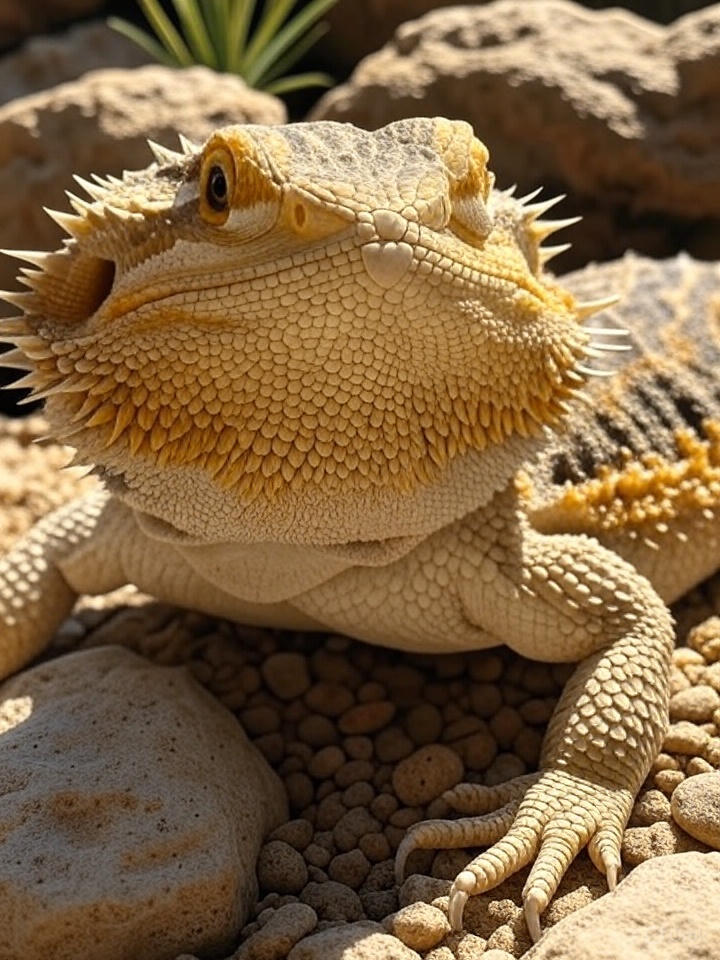
As bearded dragons age, their nutritional needs shift, requiring specific supplements to keep them vibrant and healthy. Senior dragons, typically over 7 years, may face slower metabolisms, weaker bones, or reduced activity, making supplements crucial. Choosing the right ones can extend their lifespan and quality of life. This guide explores the best supplements for senior bearded dragons, how to use them, and tips to support their golden years. Let’s ensure your aging dragon thrives.
Why Senior Bearded Dragons Need Supplements
Senior bearded dragons have unique needs due to age-related changes. Their ability to absorb calcium declines, increasing the risk of metabolic bone disease (MBD). Digestion slows, and joint issues may emerge, requiring targeted nutrition. Supplements like Zoo Med Repti Calcium* address these needs, supporting bones and overall health. As an Amazon Associate, I earn from qualifying purchases. Proper supplementation, paired with a balanced diet, keeps seniors active and comfortable.
Top Supplements for Senior Bearded Dragons
Here are the best supplements for senior dragons:
- Calcium with D3: Essential for bone health and preventing MBD. Dust insects with Zoo Med Repti Calcium* 3-4 times weekly to aid absorption, especially under a Zoo Med ReptiSun UVB Bulb*.
- Multivitamin: Provides vitamins A, E, and B to support digestion and immunity. Use once weekly to avoid over-supplementation.
- Probiotics: Supports gut health, crucial for seniors with slower digestion. Look for reptile-specific probiotics from pet stores.
- Joint Supplements: Glucosamine-based products (vet-approved) can ease arthritis, common in older dragons.
Serve food in a Fluker’s Repta-Bowl* to keep supplements contained and ensure seniors eat properly.
How to Administer Supplements
Proper administration maximizes benefits:
| Supplement | Frequency | Method | Notes |
|---|---|---|---|
| Calcium with D3 | 3-4 times/week | Dust insects or sprinkle on greens | Use sparingly to avoid kidney strain. |
| Multivitamin | 1 time/week | Dust on food | Avoid overuse to prevent toxicity. |
| Probiotics | 1-2 times/week | Mix with food or water | Consult vet for dosage. |
| Joint Supplements | As vet prescribed | Mix with greens | Monitor for side effects. |
The Bearded Dragon Feeding Calculator simplifies supplement schedules. Owners love its tailored plans for senior dragons, ensuring no nutrient is missed.
Supporting Senior Dragon Health
Supplements work best with proper care:
- UVB Lighting: A Zoo Med ReptiSun UVB Bulb* provides UVB for D3 synthesis, critical for seniors.
- Temperature: Maintain basking at 90-95°F (slightly lower for seniors) using an Exo Terra Digital Thermometer* to reduce stress.
- Diet: Offer 80% greens (collards, dandelion) and 20% insects in a Fluker’s Repta-Bowl* for easy digestion.
- Weight Checks: Use a Pet Scale for Small Animal* to monitor weight monthly, as seniors may lose or gain excessively.
My dragon, Blaze, slowed down at 8 years old until I adjusted his calcium dusting. He’s now back to basking happily.
Common Supplement Mistakes
- Over-Supplementing: Too much calcium or vitamins can cause organ damage. Follow vet guidelines.
- Skipping UVB: Supplements like Zoo Med Repti Calcium* need UVB to work effectively.
- Ignoring Vet Advice: Always consult a reptile vet like Dr. Stephanie Nelk for senior-specific needs.
When to Consult a Vet
If your senior dragon shows lethargy, soft bones, or appetite loss, see a vet. These could indicate MBD or digestive issues requiring adjusted supplements.
Conclusion: Boost Your Senior Dragon’s Health
The right supplements, like Zoo Med Repti Calcium, paired with tools like the Bearded Dragon Feeding Calculator, keep senior bearded dragons thriving. Monitor their environment with an Exo Terra Digital Thermometer and feed in a Fluker’s Repta-Bowl*. How do you support your senior dragon? Share your tips in the comments—I’d love to hear about your scaly senior’s routine!
BeardedBuddies.com collaborates with reptile experts to provide accurate, trustworthy care advice. This site participates in the Amazon Associates Program, earning from qualifying purchases.
About the Author
Dragon King, founder of BeardedBuddies.com, has raised bearded dragons for over seven years. His senior dragon, Blaze, thrives with careful supplementation. Working with experts like Dr. Stephanie Nelk, a reptile veterinarian, he shares practical tips for senior dragon care. All advice is based on consultations with herpetologists and standard reptile care practices.