
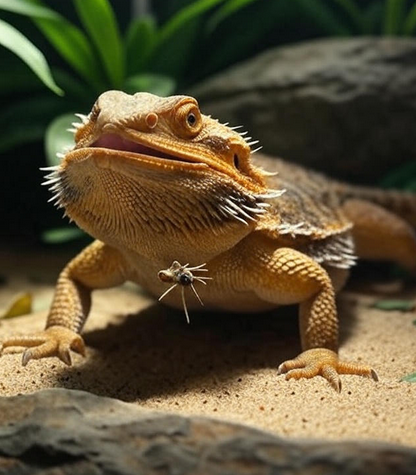
Have you ever seen your bearded dragon perk up at the sight of a banana and wondered if it’s a safe snack? These friendly reptiles delight owners with their curious nature, and their diet plays a huge role in their health. Understanding what’s good or risky to feed them can shape their lifespan and happiness. This guide uncovers whether bearded dragons can eat bananas, the pros and cons, how to offer them safely, and other fruit alternatives to keep your pet in top shape.
If you’re a beginner asking “can bearded dragons eat bananas?” or a veteran looking to mix up the menu, we’ll dive into nutritional details, serving sizes, and expert tips. By the end, you’ll know how to enrich your dragon’s diet for a vibrant, long life.
Are Bananas Safe for Bearded Dragons?
Bananas can be given to bearded dragons, but with strict limits. These sweet fruits pack potassium and vitamins like B6, which support muscle and nerve function. However, they’re low in calcium, high in sugar, and contain phosphorus, which can bind calcium and lead to imbalances if overdone. Their soft texture also risks digestive slowdown.
Healthy adults and juveniles can handle bananas occasionally, but babies should avoid them due to their sensitive digestion. Wild bearded dragons don’t encounter bananas, so their systems aren’t built for frequent intake. In captivity, they’re a rare treat if portions are kept tiny. For more dietary basics, check our general care bearded dragon daily care.
Benefits and Risks of Feeding Bananas
Bananas offer some upside when used sparingly. The potassium boosts energy, and vitamins aid overall wellness, making them a fun occasional perk. Some owners notice their dragons get excited for the sweet flavor, adding variety to a greens-focused diet.
The downsides are notable. High sugar can cause obesity or diarrhea, straining their system over time. Low calcium and high phosphorus may contribute to metabolic bone disease (MBD) if not balanced with supplements. Overfeeding shortens lifespan by inviting these issues, so caution is a must. Learn prevention strategies in our bearded dragon bone disease prevention.
How to Serve Bananas Safely
To make bananas a safe treat, preparation is key. Peel and mash them into a smooth paste to avoid choking hazards, then offer a tiny amount—about a teaspoon for an adult, half that for a juvenile. Remove any uneaten portions after 15 minutes to prevent spoilage.
Limit to once a month, pairing with calcium-rich greens like mustard greens, dusted with Fluker’s Reptile Calcium Supplement Without Vitamin D3*, to counter phosphorus. Watch for loose stools or lethargy; if seen, skip future servings. For age-specific diets, see our baby bearded dragon diet tips.
*As an Amazon Associate, I earn from qualifying purchases.
Alternative Fruits and Treats
If bananas worry you, other fruits can spice up your dragon’s meals. Consider these safe choices:
- Strawberries: Low sugar, high vitamin C—offer a few pieces weekly.
- Papaya: Rich in fiber and vitamin A, limit to small bites monthly.
- Kiwi: High in antioxidants, serve sparingly due to sugar.
Steer clear of high-sugar fruits like pineapple or high-oxalate ones like figs. Mix with staples like bell peppers and dust insects with HERPTIVITE Multivitamin for reptiles and amphibians* for full nutrition. Owners find this rotation keeps dragons engaged. Explore more in our bearded dragon diet balance.
The Role of Diet in Longevity
Diet directly affects how long do bearded dragons live. Adults thrive on 80% vegetables and 20% insects, while juveniles flip that ratio for growth. Fruits like bananas add flavor but shouldn’t dominate—overuse risks obesity or nutrient gaps.
Support with proper lighting using the Arcadia Pro T5 UVB Lighting Kit – 24W – Dragon* to aid vitamin D, vital for calcium absorption. Use the Reptile Tank Thermometer, PAIZOO LED Digital Reptile Thermometer and Humidity Gauge* to maintain digestion-friendly temps (100-110°F basking, 80°F cool side). This balance can extend life to 15+ years. For habitat tips, visit our bearded dragon terrarium size tips.
Signs of Dietary Issues and When to Act
Spot dietary red flags early. Runny stools or weight gain suggest too much sugar from bananas. Weak legs or tiredness might signal calcium loss—consult a vet if it lingers. Refusal to eat or strange poop colors need prompt attention from a reptile expert.
Annual vet checkups with fecal exams catch parasites or imbalances. If problems pop up, tweak portions and refer to our common health issues bearded dragons. Fast fixes keep your dragon thriving. The Bearded Dragon Care Checklist helps track these efforts—owners rely on it for consistency.
Conclusion
So, can bearded dragons eat bananas? Yes, but as a rare treat—once a month in small, mashed portions—to avoid sugar and phosphorus risks. Balance with calcium-rich foods and proper lighting for a healthy, long life. Your care can help your dragon reach 8-15+ years.
Have you offered bananas to your dragon, or do you have a go-to treat? Share in the comments—let’s grow our bearded dragon community together!
BeardedBuddies.com collaborates with reptile experts to provide accurate, trustworthy care advice. This site participates in the Amazon Associates Program, earning from qualifying purchases.
About the Author
I’m Dragon King, founder of BeardedBuddies.com, with over seven years raising bearded dragons. My dragon, Blaze, tried a bit of banana at 9 years old and enjoyed it once—his veggie focus keeps him spry at 12 now. I team with herpetologists like Dr. Stephanie Nelk to share reliable tips, connecting owners worldwide with practical care knowledge.