
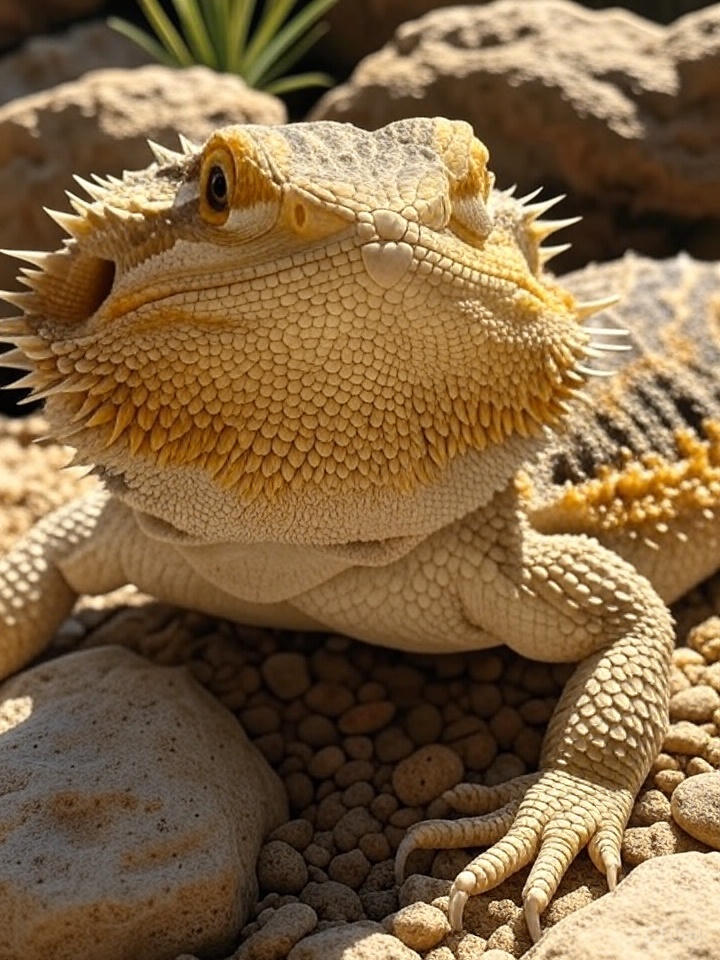
Bearded dragons are incredible pets, bringing a bit of desert charm into your home with their quirky personalities and prehistoric looks. But keeping these reptiles thriving requires a consistent daily routine tailored to their needs. Whether you’re a new owner or a seasoned keeper, a solid schedule ensures your dragon stays healthy, happy, and full of energy. In this guide, we’ll walk through the best daily routine for bearded dragon care, covering feeding, lighting, cleaning, and more, with practical tips to make your life easier and your dragon’s life better. Let’s get started crafting a daily bearded dragon maintenance plan that works for both of you.
Why a Daily Routine Matters for Bearded Dragons
Bearded dragons, native to Australia’s arid regions, rely on predictable cycles of light, heat, and food to mimic their natural environment. A consistent routine supports their physical health—think strong bones and a robust immune system—and keeps stress low, which is critical for these sensitive creatures. Dr. Stephanie Nelk, a reptile veterinarian, notes that irregular care can lead to issues like metabolic bone disease or digestive problems. A daily bearded dragon care schedule also helps you spot changes in behavior early, like a dragon refusing food, which could signal health concerns.
My own dragon, Blaze, taught me this lesson early on. When I first got him, my inconsistent feeding times led to some grumpy head-bobs and a sluggish appetite. Once I locked in a routine, he perked up, basking happily under his light. A structured day makes all the difference, and this guide will help you build one.
Morning: Setting Up for a Healthy Day
Mornings are prime time to kick off your bearded dragon care routine. Here’s how to start the day right:
- Turn on the Lights (7-8 AM): Bearded dragons need 12-14 hours of light daily to mimic their natural habitat. Switch on a UVB bulb, like the Zoo Med ReptiSun 10.0 UVB Bulb, to provide essential ultraviolet light for vitamin D3 synthesis, which helps them absorb calcium. As an Amazon Associate, I earn from qualifying purchases. Pair it with a basking bulb to create a warm spot (95-110°F for adults, 100-115°F for babies). Use a Zoo Med Digital Thermometer to check that the cool side of the enclosure stays around 80-85°F.
- Offer Fresh Water: Fill a shallow dish, like Fluker’s Repta-Bowl*, with clean water. Bearded dragons often get hydration from their food, but a fresh water source is crucial, especially for juveniles. Mist the enclosure lightly for babies or dragons in dry climates to boost humidity, but avoid soaking the substrate.
- Morning Feeding (8-9 AM): Feed your dragon in the morning when they’re most active. Babies (under 6 months) need 2-3 feedings daily, with 70-80% live insects (crickets, dubia roaches) and 20-30% greens. Adults can eat once daily, with a 50-50 split of insects and veggies like collard greens, dandelion leaves, or squash. Dust insects with Exo Terra Calcium + D3 Powder Supplement* every other feeding to prevent deficiencies. Owners love this supplement for its fine consistency, which sticks well to insects.
| Age | Morning Feeding | Frequency |
|---|---|---|
| Baby (0-6 mo) | 70-80% insects, 20-30% greens | 2-3 times daily |
| Juvenile (6-12 mo) | 60-70% insects, 30-40% greens | 1-2 times daily |
| Adult (12+ mo) | 50% insects, 50% greens | 1 time daily |
Pro Tip: Worried about missing key tasks? The Bearded Dragon Care Checklist creates a tailored, downloadable plan based on your dragon’s age. Owners swear by it for staying organized without the hassle.
Midday: Monitoring and Interaction
Midday is a great time to check on your dragon and bond a bit. Here’s what to focus on:
- Temperature and UVB Check (12-1 PM): Ensure the basking spot and cool side are within the ideal range using your thermometer. UVB bulbs lose potency over time, so replace them every 6-12 months, even if they still emit light. A quick glance ensures your dragon is basking comfortably, not hiding or gaping excessively, which could indicate overheating.
- Handling (Optional): Bearded dragons enjoy gentle handling for 10-15 minutes daily, but only if they seem relaxed. Look for calm body language—no puffed beard or stress marks. Blaze loves his midday chin scratches, but I always let him come to me first. This builds trust and keeps stress low.
- Spot Cleaning: Remove any uneaten food or feces from the enclosure to prevent bacteria buildup. A clean tank is vital for daily bearded dragon maintenance, especially if you use a loose substrate like sand.
Afternoon: Second Feeding and Enrichment
For younger dragons, afternoon is feeding time again, and it’s also a chance to keep things interesting:
- Second Feeding for Babies/Juveniles (2-3 PM): Offer another round of insects and greens for dragons under 12 months. Vary the insects—crickets one day, roaches the next—to keep nutrition balanced. Adults can skip this meal but might enjoy a small veggie snack.
- Enrichment: Bearded dragons are curious and benefit from mental stimulation. Add a new branch, move a rock, or place a ping-pong ball in the tank for them to nudge. Blaze once spent an hour “hunting” a rolled-up sock I tossed in—simple but effective entertainment.
Evening: Winding Down
As the day wraps up, your routine shifts to preparing your dragon for rest:
- Evening Feeding (5-6 PM, Babies Only): Babies may need a third feeding, focusing on greens to avoid overfeeding protein. Adults typically don’t eat this late.
- Clean the Water Dish: Refresh the water in the Fluker’s Repta-Bowl* to keep it clean. Check for any debris or soaking substrate around it.
- Turn Off Lights (7-8 PM): Switch off the UVB and basking bulbs to mimic a 12-14 hour night cycle. The enclosure should cool to 70-75°F overnight. A ceramic heat emitter can maintain ambient warmth in colder climates, but most dragons do fine without it.
Weekly Tasks to Complement Your Daily Routine
While this guide focuses on a daily bearded dragon care schedule, some tasks fit better weekly but are just as critical:
- Deep Clean the Enclosure: Once a week, remove all substrate, disinfect the tank with a reptile-safe cleaner, and replace with fresh substrate. This prevents bacterial or mold growth.
- Check UVB Output: Use a UV meter if you have one, or mark your calendar to replace bulbs on schedule.
- Review Feeding Plan: Adjust portions as your dragon grows. The Bearded Dragon Care Checklist can update your plan as your dragon ages, ensuring you never miss a beat.
Common Myths About Bearded Dragon Care
Let’s bust a few myths that can derail your bearded dragon husbandry guide:
- Myth: Bearded dragons don’t need UVB light if they get calcium supplements. False. UVB is non-negotiable for vitamin D3 synthesis, which supplements alone can’t replace. A quality bulb like the Zoo Med ReptiSun 10.0 UVB Bulb* is a must.
- Myth: You can feed them the same insects daily. Variety is key to avoid nutritional gaps. Rotate crickets, roaches, and worms to keep things balanced.
- Myth: They don’t need daily attention. Even low-maintenance dragons thrive on consistent care and interaction to stay healthy and social.
Conclusion: Building Your Routine
A well-planned daily routine is the backbone of bearded dragon care. By sticking to a schedule of morning light and feeding, midday checks, and evening wind-downs, you’ll keep your dragon healthy and content. Tools like the Zoo Med Digital Thermometer* and Exo Terra Calcium + D3 Powder Supplement* make it easier to maintain the right environment and nutrition. What’s your favorite part of your dragon’s routine? Share your tips or ask questions in the comments below—I’d love to hear how you and your scaly friend make it work!
About the Author
Dragon King, founder of BeardedBuddies.com, has been raising bearded dragons for over seven years. His dragon, Blaze, once knocked over his water dish in a dramatic bid for attention, teaching Dragon King the importance of a steady routine. A passionate reptile enthusiast, he collaborates with herpetologists and veterinary experts like Dr. Stephanie Nelk to share practical, trustworthy advice with dragon owners worldwide. All tips are based on standard reptile care practices and expert consultations.
BeardedBuddies.com collaborates with reptile experts to provide accurate, trustworthy care advice. This site participates in the Amazon Associates Program, earning from qualifying purchases.