
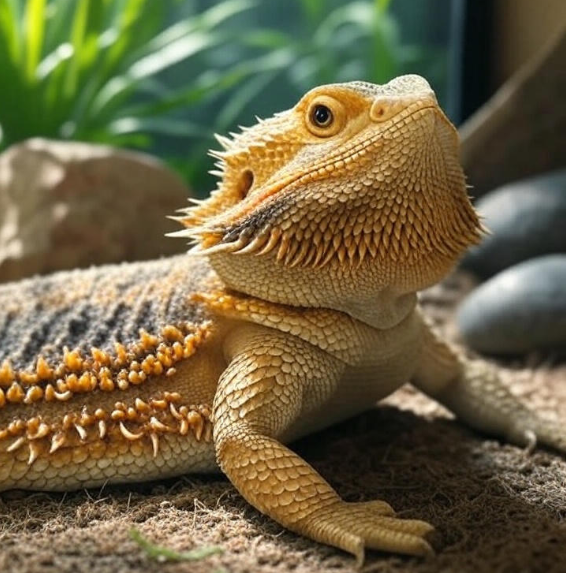
Bearded dragons make wonderful pets with their unique personalities, but owners often look for ways to boost their mood or reduce stress. Aromatherapy, popular for humans, might seem like a natural fit, but is it safe or effective for these reptiles? This post examines if essential oils or scents can help your dragon’s well-being, weighs the potential risks, and suggests better alternatives. We’ll cover what science and vets say, plus practical steps to keep your pet content without unnecessary dangers.
What Is Aromatherapy and How Does It Work for Pets?
Aromatherapy uses essential oils from plants to promote relaxation or health, often through diffusers or topical application. For humans, scents like lavender calm nerves, but pets process smells differently. Dogs and cats sometimes benefit from diluted oils, but reptiles like bearded dragons have sensitive respiratory systems and skin that absorbs substances quickly.
Research shows essential oils can irritate lungs or cause toxicity in reptiles, with no proven mood benefits for dragons. Vets warn against it, as oils are concentrated and can overwhelm their systems. If you’re trying to ease your dragon’s mood, focus on environment first—tools like the Exo Terra Digital Thermometer ensure stable temps that naturally reduce stress. As an Amazon Associate, I earn from qualifying purchases.
Potential Benefits: Is There Any Upside for Bearded Dragons?
Some owners experiment with mild scents, claiming calmer dragons, but evidence is anecdotal and slim. No studies confirm aromatherapy lifts bearded dragon moods; their “happiness” ties more to proper care than smells. Oils like chamomile might soothe in theory, but risks outweigh any unproven gains.
Blaze once seemed relaxed near a plant, but it was likely the hide spot, not scent. Experts like Dr. Stephanie Nelk emphasize habitat over additives—owners love how a Zoo Med ReptiSun 10.0 UVB Bulb stabilizes behavior, hard to find a better mood booster.
Risks and Dangers of Aromatherapy for Reptiles
The downsides are serious—essential oils can be toxic for bearded dragons, causing respiratory issues, skin burns, or organ damage. Common ones like tea tree or citrus are especially harmful, absorbed through skin or inhaled, leading to lethargy or worse. Diffusers spread particles that irritate lungs, and reptiles lack enzymes to process them safely.
Cases of dragons suffering from diffused oils are reported in forums and vet records, with symptoms like wheezing or refusal to eat. Avoid peppermint, eucalyptus, or any strong scent; even “pet-safe” blends aren’t tested for reptiles. If exposed, rinse and seek a vet fast.
A Fluker’s Repta-Bowl for clean water helps flush systems if issues arise—pet parents swear by its reliability during recovery.
Safe Alternatives to Improve Your Dragon’s Mood
Skip aromatherapy and opt for proven methods. Enrich the tank with hides or climbs, like a Zoo Med Repti Hammock—scarce in stores but owners rave about how it encourages relaxed lounging.
Balance diet with supplements such as Zoo Med Repti Calcium with D3 to prevent deficiencies that cause irritability. Regular handling builds trust, reducing stress. Maintain 12-hour light cycles and temps (85-100°F basking) to mimic nature.
Table of safe mood boosters vs risks:
| Mood Booster | Benefits | Risks |
|---|---|---|
| Proper Lighting | Regulates sleep, energy | None if setup right |
| Enrichment Items | Reduces boredom | Choking if unsafe |
| Balanced Diet | Boosts overall health | Overfeeding obesity |
| Aromatherapy | Unproven | Toxicity, irritation |
This highlights why environment wins over scents.
Myths About Aromatherapy and Bearded Dragons
Myth: “Natural” oils are always safe. Fact: Concentration makes them risky for sensitive reptiles.
Myth: Diffusers are harmless if far away. Fact: Airborne particles travel, irritating lungs.
Myth: Oils calm hyper dragons. Fact: Behavior issues need vet checks, not scents—address roots like tank size.
For stress relief ideas, see bearded dragon stress relief.
Tips for a Happy Bearded Dragon Without Aromatherapy
Create a stress-free zone: Use hides, vary feeders, and monitor with the Exo Terra Digital Thermometer—vital for spotting mood dips from heat issues.
Handle gently daily, offer baths for hydration. If mood seems low, vet for parasites or illness. Blaze perked up with a hammock upgrade, proving simple changes work.
Explore common health issues bearded dragons for related advice.
Conclusion
Aromatherapy doesn’t benefit your bearded dragon’s mood and poses real risks—stick to safe alternatives like optimal lighting and enrichment. With items like the Zoo Med Repti Hammock or Zoo Med Repti Calcium with D3, your dragon can stay content naturally. Tried mood boosters? Comment below or check BeardedBuddies.com for more!
BeardedBuddies.com collaborates with reptile experts to provide accurate, trustworthy care advice. This site participates in the Amazon Associates Program, earning from qualifying purchases.
About the Author
Dragon King, founder of BeardedBuddies.com, has over seven years raising bearded dragons, with Blaze as his trusty companion. When Blaze seemed off after a scent exposure from a room diffuser, a quick tank check and better lighting fixed it, reinforcing how environment trumps additives. As a reptile enthusiast, I’m dedicated to sharing reliable tips worldwide, based on consultations with herpetologists like Dr. Stephanie Nelk and standard care practices.