
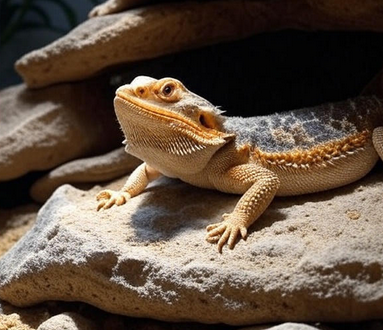
Have you noticed your bearded dragon frantically rubbing its nose against the tank glass or pacing along the sides? This behavior, known as glass surfing, can be puzzling and even a little worrying. It’s not just quirky—it often signals something’s off, from stress to an improper tank setup. As a dedicated owner, understanding why this happens is the first step to helping your dragon settle. In this guide we’ll break down the causes of glass surfing, explore health and environmental triggers, offer practical fixes, and clear up common myths. Let’s get your bearded dragon back to its calm, happy self.
What Is Glass Surfing and Why Does It Happen?
Glass surfing is when a bearded dragon presses its body against the tank walls, moving its legs as if trying to climb out. It looks like they’re “surfing” the glass, often leaving smudges behind. This isn’t normal play—it’s usually a sign of distress or discomfort. In the wild, bearded dragons roam freely, so confinement in a tank can trigger this if their needs aren’t met.
The root cause is often environmental. Poor temperature, inadequate lighting, or a cramped space can make them restless. Stress from hunger, mating instincts, or seeing their reflection might also play a role. Sometimes, it’s a health issue like impaction or illness pushing them to seek escape. Spotting the trigger early helps you act fast. Dr. Stephanie Nelk, a reptile veterinarian, emphasizes that consistent tank checks can prevent this behavior from escalating.
Common Causes of Glass Surfing
Several factors can set off glass surfing, and addressing them starts with your tank setup. Temperature is a big one—bearded dragons need a basking spot at 95-110°F and a cool side at 75-85°F. If it’s too hot or cold, they’ll pace to find comfort. Use the * Exo Terra Terrarium Thermometer to keep it spot-on—owners trust it for accurate readings. As an Amazon Associate, I earn from qualifying purchases.
Lighting matters too. Without proper UVB, they can’t process calcium, leading to stress or lethargy. The * Zoo Med ReptiSun UVB Bulb is a favorite for mimicking natural sunlight and reducing restlessness. Tank size is key—adults need at least 40-75 gallons. A small space can make them feel trapped, triggering this behavior.
Hunger or irregular feeding schedules can also cause it. Overfeeding or underfeeding disrupts their routine, so a controlled dish like the * Fluker’s Repta-Bowl helps maintain consistency. Mating season or seeing their reflection might spur territorial instincts, especially in males. Check for these patterns to pinpoint the cause.
Health-Related Triggers
Sometimes, glass surfing points to health problems. Impaction—blockage from swallowing substrate or too much food—can make dragons uncomfortable, prompting them to move excessively. Look for signs like reduced appetite or irregular bowel movements. Illnesses like parasites or respiratory issues might also drive this behavior as they seek relief.
Overweight dragons can struggle with mobility, leading to frustration against the glass. A vet check is crucial if it persists. Dr. Nelk notes that early detection of impaction with a vet visit can prevent long-term issues. Monitor weight regularly to rule out obesity-related stress.
Practical Solutions to Stop Glass Surfing
Fixing glass surfing involves adjusting your dragon’s environment and routine. Start with temperature—use the * Exo Terra Terrarium Thermometer to ensure the basking spot hits 100°F and the cool side stays around 80°F. Add hiding spots like caves or plants to reduce stress from exposure.
Lighting is next. Swap in the* Zoo Med ReptiSun UVB Bulb if your current bulb is old—UVB fades after 6-12 months. This boosts calcium absorption and calms their behavior. Expand the tank if it’s too small, and add climbing options like the * Exo Terra Climbing Mesh—owners love how it encourages natural movement.
Feed regularly with the * Fluker’s Repta-Bowl to avoid hunger spikes. Cover glass sides with paper or film to block reflections during mating season. If health issues like impaction are suspected, consult a vet. Learn more stress relief tips at Bearded Dragon Stress Relief. For tank size guidance, check Bearded Dragon Tank Size.
Busting Myths About Glass Surfing
Myths about glass surfing can lead owners astray. One is that it’s just exercise—false, it’s a stress signal, not a workout. Another claims all dragons do it, so it’s fine. Not true—persistent surfing needs attention. Some think covering the glass stops it instantly; it helps with reflections but won’t fix underlying issues like poor lighting.
A common misconception is that more food stops it. Overfeeding can worsen stress or cause impaction, so stick to balanced meals with tools like the * Fluker’s Repta-Bowl. Understanding the real causes, not quick fixes, is the key to a happy dragon.
Conclusion
Glass surfing doesn’t have to be a mystery. By checking temperature with the * Exo Terra Terrarium Thermometer, ensuring proper UVB with the * Zoo Med ReptiSun UVB Bulb, and enhancing the tank with the * Exo Terra Climbing Mesh, you can reduce this behavior. Share your dragon’s tank setup or tips in the comments—let’s help each other out!
About the Author
Dragon King, founder of BeardedBuddies.com, has spent over seven years raising bearded dragons, including his spirited companion, Blaze. A dedicated dragon lover, Dragon King once watched Blaze glass surf after a tank temperature dip—prompting a thermometer upgrade. Collaborating with herpetologists and veterinarians, he provides practical advice globally. All tips are based on expert consultations and standard reptile care practices.
BeardedBuddies.com collaborates with reptile experts to provide accurate, trustworthy care advice. This site participates in the Amazon Associates Program, earning from qualifying purchases.