
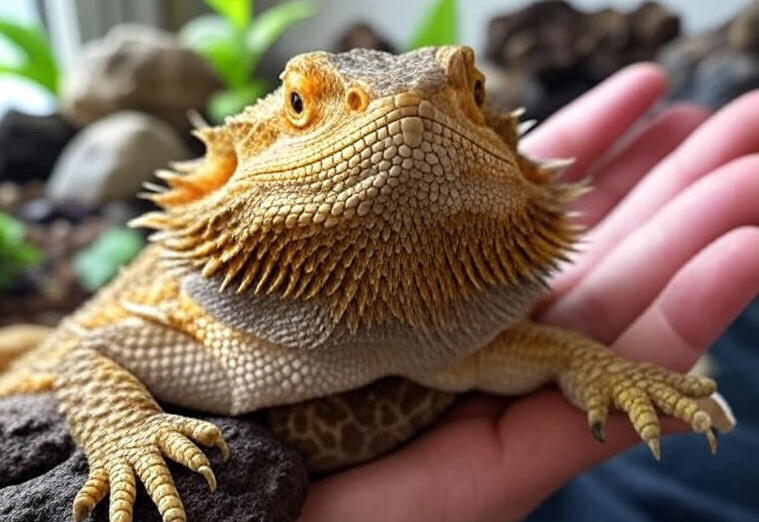
What Is the Best Way to Handle a Stressed Bearded Dragon?
Bearded dragons are usually calm companions, but stress can turn your scaly friend into a puffing, hiding, or even grumpy pet. Spotting and soothing a stressed bearded dragon is key to keeping them healthy and happy. Whether it’s a new environment, improper setup, or too much handling, understanding the causes and solutions can make all the difference. In this guide, we’ll cover how to recognize stress, the best ways to handle it, and practical tips to create a calm oasis for your dragon. Let’s help your bearded buddy relax and thrive.
Recognizing Signs of Stress in Bearded Dragons
Before you can help a stressed bearded dragon, you need to spot the signs. Stress manifests in physical and behavioral changes, often tied to environment, diet, or handling. Here are the key indicators:
- Beard Puffing: Frequent or prolonged puffing of their throat pouch signals discomfort or threat response.
- Color Changes: Darkening, especially around the beard or body, often indicates stress or temperature issues.
- Hiding or Lethargy: Spending too much time in a hide or showing low energy can point to an unsuitable habitat.
- Loss of Appetite: Refusing food, even favorites like crickets, suggests stress or health issues.
- Glass Surfing: Pacing or scratching at the enclosure walls shows anxiety or a need for more space.
Noticing these signs early allows you to act fast. For example, ensuring proper lighting with a Zoo Med ReptiSun UVB Bulb* can prevent stress from poor health. As an Amazon Associate, I earn from qualifying purchases.
Common Causes of Stress in Bearded Dragons
Understanding what stresses your dragon helps you address the root cause. Common triggers include:
| Cause | Description | Solution |
|---|---|---|
| Improper Lighting | Lack of UVB or incorrect light cycles disrupts health and behavior. | Use a Zoo Med ReptiSun UVB Bulb* for 10-12 hours daily. |
| Incorrect Temperature | Too hot (>100°F) or too cold (<75°F) causes discomfort. | Monitor with an Exo Terra Digital Thermometer*. |
| Poor Diet | Inconsistent or unbalanced meals lead to nutritional stress. | Serve greens and insects in a Fluker’s Repta-Bowl*. |
| Overhandling | Too much or rough handling overwhelms dragons. | Limit handling to 10-15 minutes daily, gently. |
| Small Enclosure | Cramped spaces cause anxiety. | Ensure a 40-gallon minimum tank for adults. |
The Bearded Dragon Care Checklist is a game-changer for tracking these factors. Owners swear by this downloadable tool for creating tailored plans to keep stress at bay, customized for your dragon’s age and needs.
Best Handling Techniques for a Stressed Bearded Dragon
Handling a stressed bearded dragon requires patience and care. Follow these steps to build trust and reduce anxiety:
- Approach Slowly: Move calmly to avoid startling them. Quick movements trigger their flight response.
- Scoop, Don’t Grab: Slide your hand under their body, supporting their legs and tail. Never pick them up by the tail or head.
- Keep Sessions Short: Limit handling to 5-10 minutes for stressed dragons, gradually increasing as they relax.
- Read Their Cues: If they puff up or darken, place them back in their enclosure and try again later.
- Create a Calm Space: Offer a cozy spot like a Zoo Med Repti Hammock* for them to retreat to after handling.
My dragon, Blaze, once puffed up every time I approached. Slow scooping and a comfy hammock turned him into a cuddly companion. Consistency is key.
Creating a Stress-Free Environment
A well-designed vivarium is your best tool for reducing stress. Bearded dragons thrive in conditions that mimic their Australian outback home:
- Lighting: Provide 10-12 hours of UVB light daily with a Zoo Med ReptiSun UVB Bulb* to support health and mood.
- Temperature: Maintain a basking spot of 95-100°F and a cool side of 75-85°F, checked with an Exo Terra Digital Thermometer*.
- Diet: Offer a balanced diet (70% greens, 30% insects for adults) in a sturdy Fluker’s Repta-Bowl* to ensure consistent nutrition.
- Enrichment: Add a Zoo Med Repti Hammock* or climbing branches to encourage natural behaviors like basking and exploring.
- Hide Spots: Include a cave or hide for security, especially for shy dragons.
The Bearded Dragon Care Checklist helps you schedule lighting, feeding, and cleaning tasks, ensuring a stress-free routine. Few tools offer such tailored plans for keeping your dragon calm.
When to Seek Veterinary Help
Sometimes, stress signals underlying health issues. Consult a reptile veterinarian, like Dr. Stephanie Nelk, if you notice:
- Persistent appetite loss beyond 2-3 days.
- Ongoing lethargy or hiding, even with proper conditions.
- Signs of illness like runny eyes, mouth rot, or abnormal stools.
- Frequent glass surfing or aggression despite environmental fixes.
A vet can diagnose issues like parasites or metabolic bone disease, which can mimic stress. Regular checkups, especially before breeding or after relocation, keep your dragon in top shape.
Myths About Bearded Dragon Stress
Let’s clear up some misconceptions that can confuse owners:
- Myth: Bearded dragons only stress from handling.
Truth: Environment, diet, and health issues are bigger culprits. Check temperature with an Exo Terra Digital Thermometer* to rule out habitat problems. - Myth: A puffed beard always means stress.
Truth: Occasional puffing is normal for communication. Persistent puffing signals a problem. - Myth: Stress goes away on its own.
Truth: Untreated stress can lead to health decline. Act quickly with proper care adjustments.
Conclusion: Keep Your Bearded Dragon Calm and Happy
Handling a stressed bearded dragon starts with spotting signs like puffing or hiding, then addressing causes like poor lighting or overhandling. A well-set-up vivarium with tools like the Zoo Med ReptiSun UVB Bulb* and Zoo Med Repti Hammock* creates a soothing environment, while gentle handling builds trust. The Bearded Dragon Care Checklist simplifies stress management with tailored care plans. Got a stressed dragon? Share your experience or ask for tips in the comments—I’d love to hear how you’re helping your scaly friend relax!
BeardedBuddies.com collaborates with reptile experts to provide accurate, trustworthy care advice. This site participates in the Amazon Associates Program, earning from qualifying purchases.
About the Author
Dragon King, founder of BeardedBuddies.com, has raised bearded dragons for over seven years. His dragon, Blaze, once hid for days after a tank move, teaching Dragon King the value of stable environments and gentle handling. Partnering with experts like Dr. Stephanie Nelk, a reptile veterinarian, Dragon King shares practical tips to help owners worldwide keep their dragons stress-free. All advice is based on consultations with herpetologists and standard reptile care practices.