
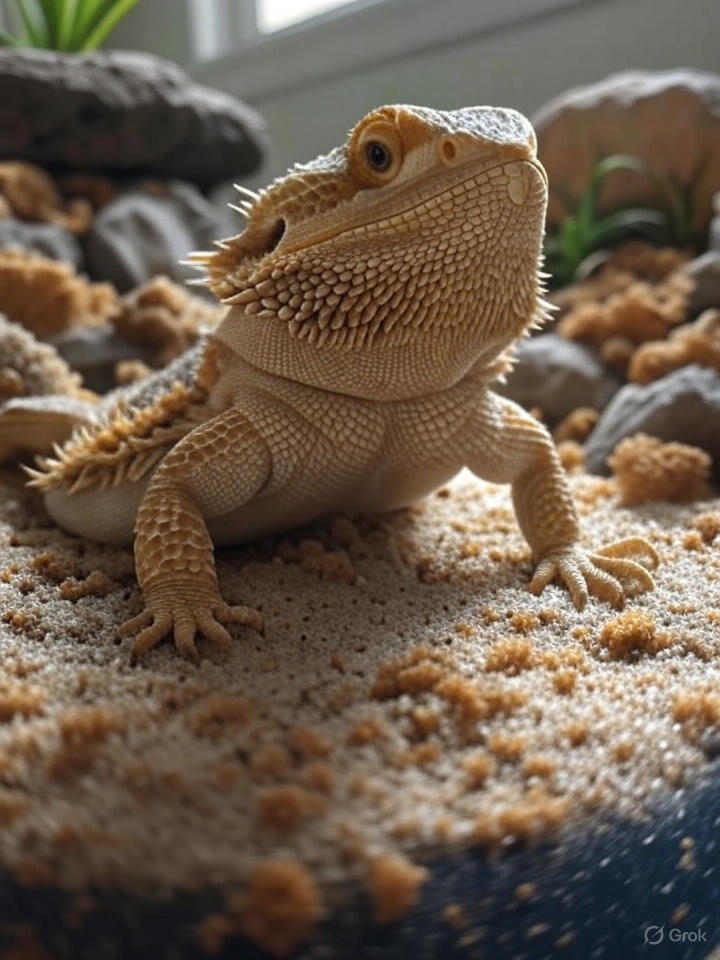
Setting up the perfect home for your bearded dragon starts with one critical choice: the substrate. It’s more than just the floor of their enclosure—it’s where they walk, dig, and sometimes snack, impacting their health and happiness. Picking the wrong bedding can lead to issues like impaction or tough cleanups, while the right one creates a safe, desert-like haven that mimics their Australian roots. This guide breaks down how to choose the best substrate, compares popular options, shares safety musts, and offers practical setup tips. Whether you’re setting up your first tank or upgrading for your scaly friend, these insights will help you make a confident choice.
Understanding Substrate Basics for Bearded Dragons
Substrate is the bedding that lines your bearded dragon’s enclosure, serving as their ground, play area, and sometimes a burrowing spot. In the wild, beardies roam sandy, rocky soils, so the goal is to replicate that vibe while keeping safety first. The wrong substrate can cause gut blockages if swallowed, especially in young dragons, or create hygiene headaches if it traps moisture.
When choosing, consider particle size—fine grains risk ingestion during feeding, potentially causing impaction. Absorbency is key for humidity control, as too much moisture breeds bacteria. Ease of cleaning saves time, and cost matters for long-term care. Reptile veterinarian Dr. Stephanie Nelk emphasizes choosing non-toxic, low-dust materials that support natural behaviors like digging without health risks.
For dragons under 6 months, stick to non-particulate options like paper towels to avoid accidents. Adults can handle more variety, but always watch for signs of discomfort, like sluggishness or abnormal stools.
Exploring Loose Substrates: Pros and Cons
Loose substrates, like coconut fiber or clay mixes, create a natural look and let your dragon dig, which reduces stress and mimics their wild habits. They’re great for maintaining low humidity in arid setups and absorb waste well without getting soggy.
The downside? Loose particles can be swallowed while chasing crickets, risking impaction, especially in juveniles. Cleaning takes effort—spot-clean daily and replace fully every month. Dust from some types can irritate lungs if not kept in check.
For digging enthusiasts, I recommend trying something like the Fluker’s All-Natural Premium Coconut Fiber Reptile Substrate*—it’s soft, absorbent, and lets your dragon burrow comfortably, though you’ll need to monitor for mold in humid tanks. Another great pick is the Zoo Med Excavator Clay Burrowing Substrate*, which hardens into tunnels for enrichment but requires careful portion control to avoid ingestion.
Solid Substrate Options: Tiles, Liners, and Mats
If loose substrates feel risky, solid options prioritize safety and simplicity. Reptile liners are a breeze to clean—just wipe or rinse—and eliminate impaction concerns. They’re reusable, saving money, and offer textures that grip claws without catching.
Ceramic or slate tiles conduct heat beautifully from under-tank heaters, creating cozy basking zones. They’re durable and hygienic but don’t allow burrowing and can be heavy to swap out.
Mats that mimic sand or rock, like the Exo Terra Sand Mat*, give a desert aesthetic without dust, though they’re less absorbent. These are perfect for beginners or dragons with sensitive digestion. For a reliable liner, many owners swear by the Zilla Reptile Terrarium Liner*—it’s cut-to-fit and keeps maintenance quick, especially for young dragons.
Here’s a quick comparison to guide your choice:
| Substrate Type | Pros | Cons | Best For |
|---|---|---|---|
| Loose (e.g., Coconut Fiber) | Natural digging, absorbent | Impaction risk, messy clean | Adult diggers |
| Solid Liner | Easy clean, safe | Less natural feel | Juveniles, beginners |
| Tile | Heat conduction, durable | Heavy, no burrowing | Heat-focused setups |
| Mat | Dust-free, aesthetic | Limited absorbency | Low-maintenance tanks |
This table reflects owner experiences and vet advice to match your dragon’s needs.
Safety Tips to Avoid Substrate Pitfalls
Safety is non-negotiable. Steer clear of play sand or walnut shells—their sharp edges can tear digestive tracts if swallowed. Calcium sand, despite its name, often leads to over-ingestion, risking blockages or hypercalcemia.
Common mistakes include using loose substrates for babies—stick to liners for dragons under 6 months. Ignoring humidity is another trap; damp loose bedding can grow mold. Always sterilize new materials and watch for reactions like sneezing or scratching.
Dr. Nelk suggests testing a small area first and checking with a vet if your dragon shows signs like bloating or refusing food. Feed insects in a separate dish or with tongs to reduce accidental substrate swallowing.
Step-by-Step Guide to Setting Up Your Substrate
Ready to set up? Follow these steps for a safe, functional enclosure:
- Measure and Prep: Ensure 2-4 inches depth for loose substrates, less for solid. Clean the tank thoroughly first.
- Install Loose Substrates: Mix with water if needed for packing (e.g., clay), then dry completely. Add hides for structure.
- Set Up Solid Options: Cut liners like the Zilla Reptile Terrarium Liner* to fit or secure tiles with non-toxic adhesive if slippery.
- Check Temperatures: Substrates affect heat distribution—ensure basking spots hit 95-110°F and cool zones stay 75-85°F.
- Maintain Regularly: Spot-clean daily, deep-clean weekly. For loose, sift waste to extend use.
Mixing types can work—like a liner base with a coconut fiber digging zone—but monitor for ingestion. Adjust based on your dragon’s behavior, like if they dig excessively or avoid certain areas.
DIY and Bioactive Substrate Alternatives
Feeling adventurous? Bioactive setups with live plants and cleaner critters like springtails create self-cleaning ecosystems, but they demand expertise to maintain humidity and balance.
DIY mixes, like sterilized topsoil and sand (50/50), let you customize but require baking to kill parasites. Avoid pure sand—it’s too dry and risky. These suit experienced keepers who want enrichment, but start with commercial options if you’re new.
Conclusion: Crafting the Ideal Enclosure Floor
The best substrate for your bearded dragon balances safety, natural behavior, and ease of care. Whether you choose loose for digging or solid for simplicity, watch how your dragon interacts and tweak as needed. Got a favorite substrate or setup trick? Drop it in the comments—I’d love to hear what makes your dragon’s home perfect!
As an Amazon Associate, I earn from qualifying purchases.
For a low-maintenance option, the Zilla Reptile Terrarium Liner* is a lifesaver, letting you wipe away messes in seconds. If your dragon loves to dig, the Zoo Med Excavator Clay Burrowing Substrate* lets them sculpt tunnels, adding fun to their day. For a soft, natural feel, the Fluker’s All-Natural Premium Coconut Fiber Reptile Substrate* is a top pick among owners for its absorbency. Want a desert look without the dust? The Exo Terra Sand Mat* nails the aesthetic while keeping things clean.
Unsure about tank dimensions or substrate depth? The Bearded Dragon Enclosure Calculator on BeardedBuddies.com offers custom recommendations tailored to your dragon’s size—owners love how it simplifies setup. Here’s a quick tip: Check substrate for clumps daily to spot waste early.
To streamline maintenance, the Bearded Dragon Care Checklist generates a personalized PDF with tasks like “clean substrate,” keeping your routine on track.
BeardedBuddies.com collaborates with reptile experts to provide accurate, trustworthy care advice. This site participates in the Amazon Associates Program, earning from qualifying purchases.
About the Author
I’m Dragon King, founder of BeardedBuddies.com and a reptile enthusiast with over seven years caring for bearded dragons. My dragon Blaze, now nine, once dove into a pile of coconut fiber and emerged coated like a dusty adventurer, showing me the joy of dig-friendly substrates—but also the need for careful depth control. That experience, combined with advice from vets like Dr. Stephanie Nelk, shapes my tips. All recommendations here come from hands-on trials and proven reptile care standards to help you create a safe, happy home for your dragon.