
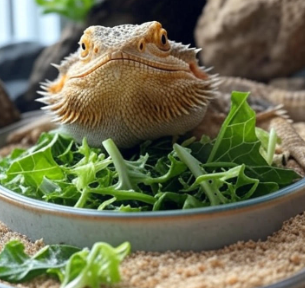
Bearded dragons (Pogona vitticeps) are omnivorous pets requiring a balanced diet of insects, vegetables, and fruits. This paper examines if grass is safe for them, using veterinary-approved facts. While small amounts of pesticide-free grass may be harmless, it lacks nutritional value and risks impaction or toxin exposure. Experts recommend nutrient-rich greens instead.
Disclosure: This post contains affiliate links. We may earn a small commission on qualifying purchases at no extra cost to you.
Introduction
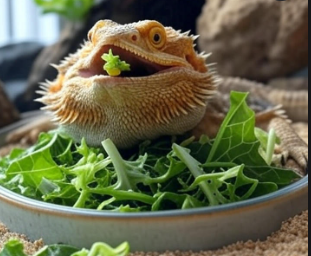
Bearded dragons, native to Australia’s arid landscapes, are cherished for their docile nature and manageable care requirements. As omnivores, they need a carefully balanced diet to avoid health issues like metabolic bone disease, obesity, or digestive problems. In the wild, their diet includes insects, leaves, flowers, and occasional fruits, but grass is rarely a significant component. Pet owners often wonder if their dragons can safely nibble on grass, particularly when exploring pesticide-free lawns during outdoor time. This question is critical, as improper feeding can lead to serious health consequences. This paper explores the safety of grass consumption, its nutritional profile, potential benefits, associated risks, and expert-recommended alternatives, providing a comprehensive guide for bearded dragon owners.
Understanding the Bearded Dragon’s Natural Diet
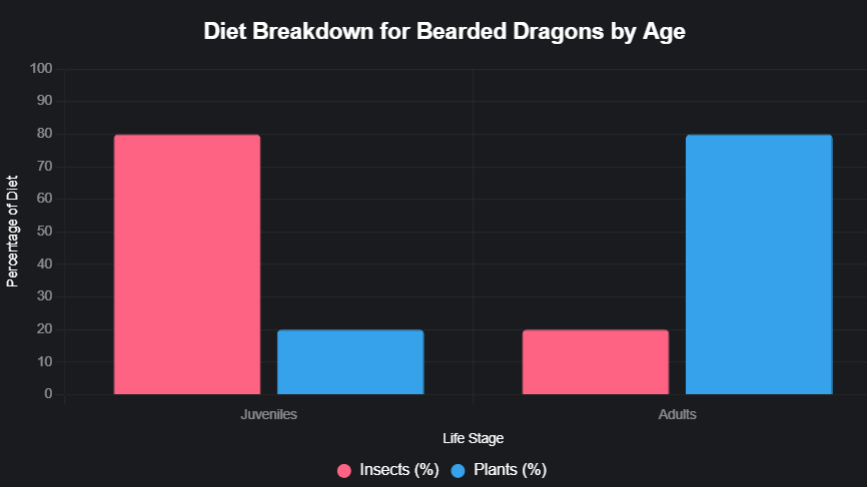
Bearded dragons require a diet tailored to their life stage. Juveniles (under 12 months) need approximately 80% insects (e.g., crickets, Dubia roaches) and 20% plant matter to support rapid growth, while adults shift to 80% plants and 20% insects to maintain health. Safe plant-based foods include leafy greens like collard greens, dandelion greens, mustard greens, and kale, which are rich in calcium, vitamins A, C, and K, and have favorable calcium-to-phosphorus ratios. These greens are essential for preventing deficiencies that can lead to brittle bones or organ dysfunction.
Grass, however, is not a staple in their natural or captive diets. Unlike herbivorous animals like cows or rabbits, which have specialized digestive systems with enzymes to break down tough plant fibers, bearded dragons lack the necessary physiology to process grass efficiently. Their digestive tracts are adapted for softer, nutrient-dense vegetation and protein-rich insects, making grass a questionable food choice. Understanding this dietary context is key to evaluating whether grass is safe or beneficial.
Nutritional Profile of Grass
Grass, such as that found in lawns, contains vitamins A, C, and some B vitamins, as well as minerals like potassium and magnesium. However, its high lignin content—a complex, fibrous compound—makes it difficult for bearded dragons to digest. The tough fibers pass through the digestive system largely intact, providing minimal nutritional value. In contrast, wheatgrass, a young sprout of the wheat plant, is more digestible and offers antioxidants, iron, calcium, and a balanced 1:1 calcium-to-phosphorus ratio, ideal for bearded dragons. Regular lawn grass, however, is mostly roughage, contributing empty calories that can lead to weight gain without supporting health.
For comparison, nutrient-dense greens like collard greens (calcium-to-phosphorus ratio of 14.5:1) or dandelion greens (2.8:1) provide significantly more bioavailable nutrients. These greens support bone health, immune function, and overall vitality, making them superior choices. Owners looking to provide safe, pesticide-free greens can grow their own using TKE Farms & Gardens Georgia Southern Collard Green Seeds or David’s Garden Seeds Dandelion Seeds, ensuring a fresh, chemical-free supply for their dragons.
Potential Benefits of Grass
The benefits of feeding grass to bearded dragons are limited. In small, supervised amounts, pesticide-free grass may serve as an occasional snack, offering minor hydration or environmental enrichment during outdoor activities. This can mimic natural foraging behaviors, providing mental stimulation. However, these benefits are negligible compared to the risks.
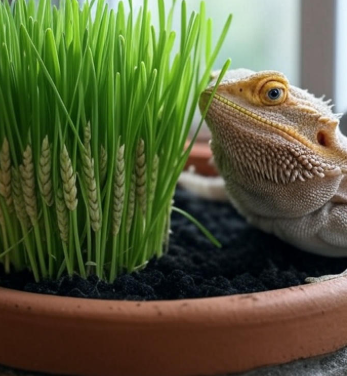
Wheatgrass stands out as a notable exception. Unlike regular grass, wheatgrass contains digestive enzymes, antibacterial properties, and a balanced nutrient profile, making it a healthy treat when finely chopped. Owners can easily cultivate it at home with a Wheatgrass Growing Starter Kit, providing a safe, nutrient-rich alternative to lawn grass. Regular grass, however, lacks these advantages and does not contribute meaningfully to a bearded dragon’s diet.
Risks and Concerns of Feeding Grass
Feeding grass to bearded dragons carries several risks that outweigh potential benefits. The primary concern is exposure to pesticides, herbicides, or fertilizers, which can linger on lawn grass and cause severe illness or death, even if the grass appears clean. Wild insects found on grass, such as fireflies, can introduce parasites or toxins, posing further dangers. For safe insect feeding, consider 100 Medium Dubia Roaches, a protein-rich, captive-bred option free from such risks.
The tough, fibrous nature of grass can lead to impaction—a digestive blockage that causes pain, bloating, and potentially life-threatening complications, particularly in juveniles with smaller digestive tracts. Overconsumption of grass may also disrupt the dietary balance, leading to obesity or nutritional deficiencies due to its low nutrient density. Owners report that while a small nibble of grass is typically harmless, moderation is critical to avoid these issues. To minimize impaction risks, greens should be finely chopped using a tool like the OXO Good Grips Vegetable Chopper.
| Risk Factor | Description | Mitigation |
|---|---|---|
| Chemical Exposure | Pesticides/herbicides on grass can be toxic. | Use organic grass or avoid it entirely. |
| Parasites/Bugs | Wild insects carry diseases or toxins. | Supervise outdoor time; use safe feeders like 100 Medium Dubia Roaches. |
| Impaction | Undigested fibers block the gut. | Limit grass; chop greens finely with a vegetable chopper. |
| Low Nutrition | Empty calories risk obesity. | Prioritize nutrient-rich greens. |
Expert Recommendations for a Balanced Diet
Veterinary experts emphasize that grass should not be a dietary staple but may be tolerated in small, contaminant-free amounts under supervision. To ensure optimal health, bearded dragon owners should focus on a varied, nutrient-rich diet tailored to their pet’s age and needs. Below are key recommendations for feeding and care.
Nutrient-Dense Greens
Daily salads of leafy greens like collard, dandelion, or mustard greens are essential for providing calcium, vitamins, and minerals. These greens should be finely chopped to aid digestion, especially for younger dragons. Growing your own greens ensures they are free from harmful chemicals, a critical concern when considering grass consumption. TKE Farms & Gardens Georgia Southern Collard Green Seeds and David’s Garden Seeds Dandelion Seeds are excellent options for home cultivation.
Supplementation
Calcium is vital to prevent metabolic bone disease, a common issue in bearded dragons with poor diets. Dusting greens and insects with Fluker’s Calcium Reptile Supplement with Vitamin D3 ensures proper absorption, especially for indoor dragons with limited UVB exposure. This supplement, rated 4.7/5 stars by over 12,000 users, is a trusted choice for maintaining bone health. Additionally, a multivitamin like Zoo Med Reptivite with Vitamin D3 supports overall nutrition, covering gaps when feeding occasional treats.
Safe Insect Feeders
Insects are a cornerstone of a bearded dragon’s diet, particularly for juveniles needing high protein. Captive-bred insects like Dubia roaches are safer than wild-caught ones, which may carry parasites or toxins. 100 Medium Dubia Roaches provide a protein-rich, easy-to-store option that bearded dragons love. Feed insects 2-3 times weekly for adults, dusted with calcium for added benefits, and serve them in a Zoo Med Reptile Rock Food Dish to keep the enclosure clean.
Feeding Tools and Practices
To prevent choking or impaction, greens and treats must be appropriately sized. The OXO Good Grips Vegetable Chopper simplifies this process, ensuring safe portion sizes. A dedicated feeding dish, like the Zoo Med Reptile Rock Food Dish, prevents substrate ingestion and maintains hygiene. Regular monitoring is crucial; if symptoms like lethargy, bloating, or refusal to eat occur after grass consumption, consult a veterinarian immediately.
Additional Resources
For comprehensive care, owners can explore related topics to enhance their bearded dragon’s well-being. Learn about preventing parasites in bearded dragons to avoid risks from wild insects. Maintaining proper humidity levels is critical for respiratory health; find tips at maintaining humidity. For older dragons, managing arthritis in aging dragons offers guidance on supporting mobility and comfort.
Practical Tips for Outdoor Time
When allowing bearded dragons outdoor time, supervision is essential to prevent accidental grass consumption. Ensure the area is free from pesticides, herbicides, and wild insects. If you want to offer safe foraging opportunities, consider setting up a small, controlled patch of wheatgrass or dandelion greens grown from a Wheatgrass Growing Starter Kit or David’s Garden Seeds Dandelion Seeds. These provide enrichment without the risks associated with lawn grass. Always wash any outdoor plants thoroughly and monitor your dragon for signs of distress, such as reduced appetite or abnormal stool, which could indicate impaction or toxin exposure.
Addressing Common Owner Concerns
Many owners wonder if a small nibble of grass during outdoor play is cause for alarm. Veterinary sources suggest that occasional, clean grass is unlikely to cause immediate harm but should not be encouraged as a regular food source. The risks of impaction and chemical exposure far outweigh the minimal hydration or enrichment benefits. Instead, focus on providing a varied diet that meets nutritional needs. Owners also ask about the safety of store-bought greens versus home-grown options. Growing your own with TKE Farms & Gardens Georgia Southern Collard Green Seeds ensures chemical-free greens, offering peace of mind and cost savings over time.
Long-Term Health Considerations
A balanced diet is critical for a bearded dragon’s longevity, typically 8-12 years in captivity with proper care. Consistent feeding of nutrient-poor foods like grass can lead to chronic issues, including obesity, which strains organs, or calcium deficiencies, which weaken bones. Regular supplementation with Fluker’s Calcium Reptile Supplement and Zoo Med Reptivite ensures nutritional balance, while a clean feeding environment, facilitated by the Zoo Med Reptile Rock Food Dish, reduces health risks. For owners of aging dragons, monitoring for conditions like arthritis is vital, as outlined in the BeardedBuddies.com resource on managing arthritis.
Conclusion
While small amounts of clean, pesticide-free grass are unlikely to cause immediate harm to bearded dragons, they offer negligible nutritional benefits and carry significant risks, including impaction, toxin exposure, and dietary imbalances. Owners should prioritize a balanced diet of nutrient-rich greens like collard and dandelion greens, safe insects like Dubia roaches, and proper supplements to ensure their pet’s health. Tools like the OXO Good Grips Vegetable Chopper and Zoo Med Reptile Rock Food Dish enhance feeding safety and hygiene. For further guidance, explore resources on preventing parasites, maintaining humidity, or managing arthritis in aging dragons, and consult a reptile veterinarian for personalized advice. By focusing on safe, evidence-based feeding practices, you can support your bearded dragon’s health and longevity.