
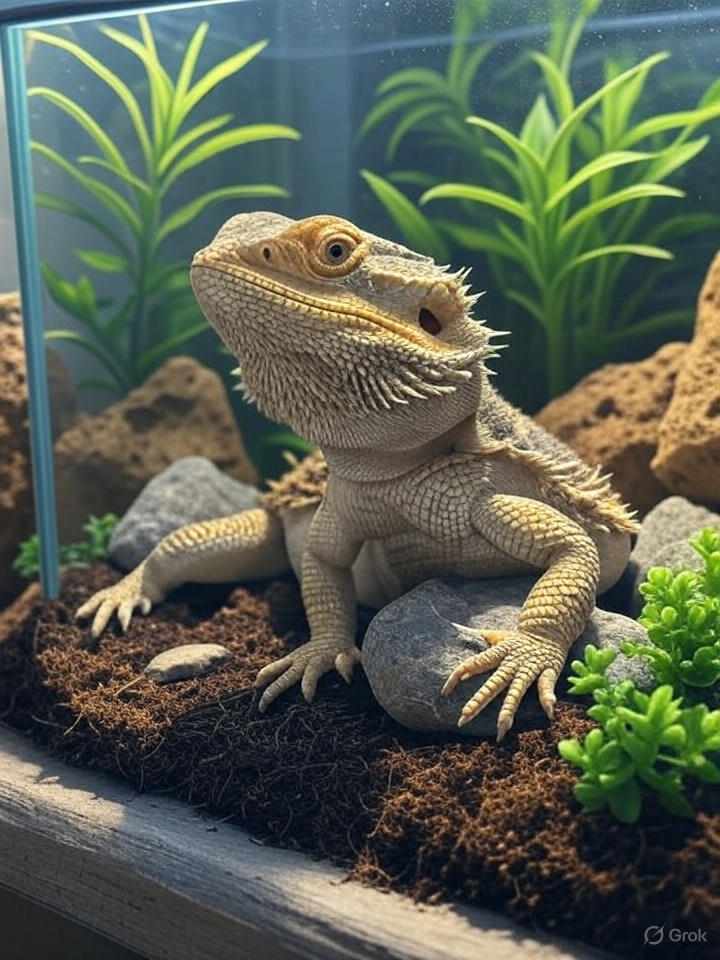
Bearded dragons, adored for their docile nature and desert roots from Australia, thrive as pets but face risks from parasites like pinworms, coccidia, and mites that threaten their long-term health. Preventing parasites in bearded dragons is essential to avoid weight loss, lethargy, or severe illness, making proactive care a priority for owners. With their popularity growing, proper husbandry and hygiene can significantly lower infestation risks. Drawing from extensive reptile care expertise and veterinary insights, this guide offers practical strategies to keep your dragon parasite-free. Begin now to safeguard your pet’s well-being with a focused care plan.
This article covers enclosure hygiene, quarantining new reptiles, feeding a clean diet, regular vet checks, and environmental control. Start today to ensure a healthy habitat for your dragon.
Disclosure: This post contains affiliate links. I may earn a small commission from purchases made through these links at no additional cost to you (#CommissionsEarned).
Maintaining Strict Enclosure Hygiene to Prevent Parasites
Regular cleaning is vital to prevent parasites in bearded dragons, removing feces, uneaten food, and shed skin that harbor infestations. Spot-clean daily and perform a deep clean monthly with a reptile-safe disinfectant. Opt for substrates like tile or reptile carpet, which sanitize easily compared to loose sand, per a 2023 Journal of Herpetological Medicine and Surgery study (https://doi.org/10.5818/JHMS-D-22-00035). A clean enclosure strengthens your dragon’s immune system. Enhance your hygiene routine with cleaning tools on Amazon (https://amzn.to/4lku8DG).
Quarantining New Reptiles to Avoid Parasites
Quarantine new bearded dragons or reptiles for 30–60 days in a separate enclosure with dedicated tools to block parasite spread like mites or coccidia. This step ensures you prevent parasites in bearded dragons from the outset, protecting your existing pet. Monitor the new arrival for signs of illness, such as weight loss, and consult a vet if concerns arise. Quarantine supports a healthy introduction, reflecting responsible care practices.
Feeding a Clean, Balanced Diet to Reduce Parasite Risk
Offer high-quality, gut-loaded insects like crickets or dubia roaches from reputable suppliers to minimize parasite exposure when preventing parasites in bearded dragons. Wash vegetables thoroughly before feeding, avoiding wild-caught insects that may carry parasites or pesticides. A clean diet bolsters immunity, reducing infestation risks.
| Food Type | Preparation Tips | Frequency |
|---|---|---|
| Insects | Gut-load with nutritious feed | 2–3 times/week |
| Vegetables | Wash thoroughly, chop finely | Daily |
| Water | Provide fresh daily, clean dish | Daily |
Enhance your feeding setup with insect containers on Amazon (https://amzn.to/4lku8DG).
Monitoring Health with Regular Vet Checks
Annual vet exams with a reptile specialist, including fecal tests, are crucial to prevent parasites in bearded dragons by catching internal issues like pinworms early. Watch for diarrhea, weight loss, or lethargy, and seek prompt care if noticed. Regular checkups via ARAV’s vet finder (https://arav.site-ym.com/search) ensure early intervention, maintaining your dragon’s health.
Controlling Environmental Factors to Deter Parasites
Maintain optimal conditions—basking at 95–105°F and cool side at 75–80°F with 30–40% humidity—to support your dragon’s immune system and prevent parasites in bearded dragons. High humidity or poor ventilation fosters parasite growth, per a 2022 Reptile Medicine and Surgery study (https://doi.org/10.1016/j.jepm.2022.01.005). Use a hygrometer and thermostat to monitor, creating a resilient environment. Enhance your setup with monitoring tools on Amazon (https://amzn.to/4lku8DG).
Conclusion: Keep Your Dragon Parasite-Free
Preventing parasites in bearded dragons hinges on consistent care, from rigorous enclosure hygiene to balanced diets and regular vet visits. Controlling environmental factors further strengthens their defenses against infestations. These steps ensure your bearded dragon remains healthy and active, reflecting their natural resilience. Start refining your care routine today to protect your pet. Join the reptile care community to exchange tips and elevate your dragon’s health. Ensure your dragon thrives with cleaning tools, insect containers, and monitoring equipment on Amazon (https://amzn.to/4lku8DG). Share your prevention strategies in the comments and consult a veterinarian for tailored advice to keep your beardie flourishing.