
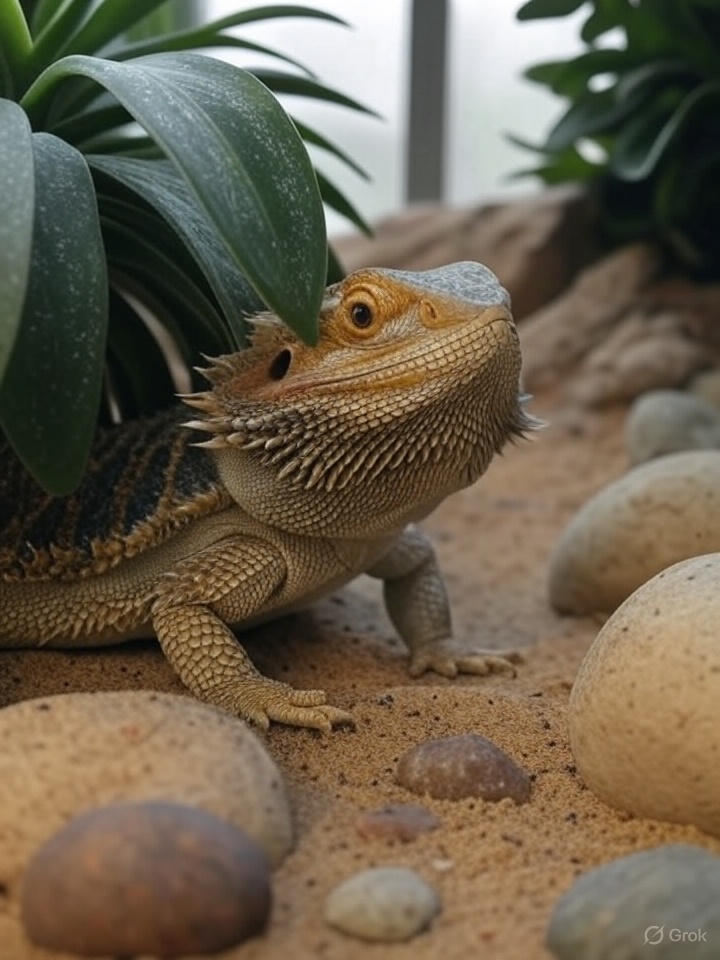
Bearded dragons thrive in habitats that mirror their arid Australian homeland, where humidity stays low and balanced. Keeping proper humidity levels is a cornerstone of bearded dragon care, ensuring your pet stays healthy and comfortable. Too much moisture risks respiratory infections, while too little can cause shedding issues, both impacting their well-being. Drawing from extensive reptile care expertise and veterinary research, this guide offers simple steps for success, helping you maintain the ideal 30–40% humidity range. With the right tools and adjustments, you’ll create a safe, happy home for your dragon.
This article covers why humidity matters, measuring and monitoring levels, lowering or increasing humidity, troubleshooting imbalances, and seasonal adjustments. Act now to protect your dragon’s health with a perfectly balanced enclosure!
Disclosure: This post contains affiliate links. I may earn a small commission from purchases made through these links at no additional cost to you (#CommissionsEarned).
Why Humidity Matters for Bearded Dragons
Humidity directly affects bearded dragon health, supporting respiratory function and skin condition. In their desert habitat, humidity ranges from 30–40%, per a 2023 Journal of Herpetological Medicine and Surgery study (https://meridian.allenpress.com/jhms/article-abstract/33/3/159/494132). Levels above 50% can foster bacteria and fungi, leading to respiratory infections, while below 20% can cause incomplete shedding (dysecdysis), triggering stress and discomfort.
Seasonal changes impact indoor humidity, making daily monitoring essential. A 2022 Reptile Medicine and Surgery study notes that stable humidity prevents health issues in captive reptiles (https://www.sciencedirect.com/science/article/abs/pii/S1557506322000567). Reptile communities emphasize consistent checks to keep dragons thriving.
Measuring and Monitoring Humidity Levels
Accurate humidity measurement is critical for bearded dragon care. Use a digital hygrometer, placed in the center or cool side (75–85°F) of the enclosure, away from heat sources, for reliable readings. Check levels daily, as room conditions and weather can cause fluctuations. For quality hygrometers, explore pet supplies on Amazon, trusted by reptile owners for precision (https://amzn.to/4lku8DG).
Aim for 30–40% humidity during the day, with nighttime levels up to 50%. Below 20–25% risks shedding issues, while above 50% increases infection risks. Log readings weekly to spot patterns, ensuring a stable environment that supports your dragon’s health, as recommended by veterinary guidelines (https://arav.site-ym.com/page/ReptileCareResources).
Tips to Lower Humidity in the Enclosure
If humidity exceeds 40%, take action to lower it:
- Enhance Ventilation: Use a screen top instead of glass to promote airflow. Poor ventilation traps moisture, risking infections.
- Adjust Water Placement: Move the water dish to the cool side (75–85°F) to reduce evaporation, or remove it temporarily if levels are high.
- Increase Room Airflow: Open windows or use a fan in the room, especially in humid climates. A small dehumidifier can help in extreme cases.
- Choose Dry Substrates: Use tiles or paper towels, which don’t retain moisture, unlike bark or coco fiber.
These steps, endorsed by reptile communities, mimic the dry conditions bearded dragons need, keeping them healthy.
Increasing Humidity When Needed
Low humidity (below 20–25%) can hinder shedding, so slight increases may be necessary:
- Add a Water Dish: Place a shallow dish on the cool side to boost moisture gradually. Refill daily with fresh water.
- Light Misting: Mist the enclosure sparingly (once daily) to avoid excess humidity. Focus on the cool side to keep levels below 40%.
- Use a Humidity Hide: During shedding, place moist, chemical-free moss in a hideout box on the warm side (95–105°F), replacing it frequently to prevent mold.
These methods support shedding without risking respiratory issues, per a 2021 Journal of Applied Animal Welfare Science study (https://www.tandfonline.com/doi/abs/10.1080/10888705.2021.1872023). For humidity control supplies, explore pet products on Amazon (https://amzn.to/4lku8DG).
Troubleshooting Humidity Imbalances
Address common humidity issues with these vet-backed solutions:
- High Humidity (Above 50%): Increase ventilation with a larger mesh top or add a small fan. Check for overfilled water dishes or wet substrates and adjust.
- Low Humidity (Below 20%): Add a water dish or humidity hide. Ensure room air isn’t overly dry from heating systems.
- Fluctuating Levels: Use a hygrometer with data logging to identify patterns. Adjust room conditions or enclosure setup accordingly.
- Mold Growth: Clean the enclosure with a reptile-safe disinfectant and replace damp substrates immediately.
Reptile communities share these fixes to maintain stable humidity, preventing health issues.
Seasonal Humidity Adjustments
Seasonal changes require proactive adjustments:
- Summer: High ambient humidity may push enclosure levels above 40%. Increase ventilation and use a dehumidifier if needed.
- Winter: Dry indoor air from heating can drop humidity below 20%. Add a water dish or mist lightly to compensate.
- Transitional Seasons: Monitor daily, as spring and fall can cause unpredictable fluctuations. Log data to fine-tune adjustments.
Regular checks with a hygrometer ensure your dragon’s comfort year-round, as advised by veterinary experts.
Conclusion: Keep Your Dragon Comfortable
Maintaining proper humidity for bearded dragon health is essential to mimic their arid Australian habitat. By monitoring levels with a hygrometer, lowering or increasing humidity as needed, troubleshooting imbalances, and adjusting for seasons, you’ll prevent respiratory infections and shedding issues. Reptile owners are raving about optimized enclosures—don’t miss out on creating a healthy habitat! Explore hygrometers, ventilation supplies, and substrates on Amazon to perfect your setup (https://amzn.to/4lku8DG). Share your humidity tips in the comments and connect with fellow reptile owners. Consult a veterinarian via ARAV’s vet finder for any concerns to keep your dragon thriving (https://arav.site-ym.com/search).