
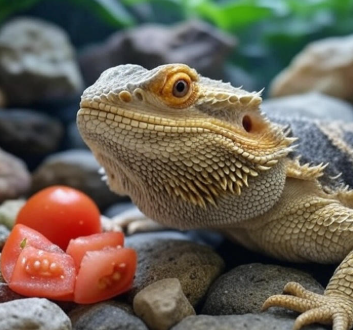
Feeding your bearded dragon the right foods is key to keeping them healthy, vibrant, and full of personality. As owners, we’re always curious about what’s safe to add to their diet—especially common foods like tomatoes, those juicy red staples in our kitchens. Can bearded dragons eat them, or should you keep them out of the enclosure? In this guide, we’ll dive into the nutritional benefits, potential risks, safe feeding methods, and better alternatives to ensure your beardie thrives. Whether you’re new to reptile care or a seasoned pro, this post will give you clear, expert-backed advice to make feeding time stress-free.
Bearded dragons (Pogona vitticeps) come from Australia’s arid regions, where their wild diet includes insects, greens, and occasional fruits. In captivity, we mimic that balance with safe, accessible options. Tomatoes might seem like a tempting treat, but their suitability requires careful consideration. Let’s explore the facts with insights from reptile experts to help you craft the perfect diet for your scaly friend.
The Nutritional Profile of Tomatoes for Bearded Dragons
Tomatoes bring some nutrients to the table that could benefit bearded dragons in small doses. They’re rich in vitamin A, which supports vision, immune health, and skin condition [1]. You’ll also get vitamin C for hydration and potassium for muscle function. Some sources suggest tomatoes have a decent calcium-to-phosphorus ratio, which is less likely to disrupt calcium absorption compared to high-phosphorus foods [2]. To ensure your dragon gets enough calcium, dusting veggies with a supplement like As an Amazon Associate, I earn from qualifying purchases. Zoo Med Repti Calcium with D3 Reptile Supplement* is a must—owners love how it simplifies maintaining a balanced diet.
However, tomatoes aren’t nutritional powerhouses. With 95% water content, they’re low in nutrient density, filling up your dragon’s stomach without delivering much value. They offer moderate fiber for digestion, but their acidity, from citric and malic acids, can be problematic if overfed [3]. A medium tomato has about 22 calories, 1 gram of protein, and 5 grams of carbs—mostly sugars that beardies don’t need in excess.
Compared to staples like collard greens, tomatoes lag behind. Greens provide more calcium and fewer sugars, making them ideal for daily feeding. If you’re looking to add variety, tomatoes can play a small role, but fruits and veggies like these should only be 20–30% of an adult bearded dragon’s diet, with insects and greens taking priority.
Potential Risks of Feeding Tomatoes to Bearded Dragons
Tomatoes aren’t toxic, but they come with risks that demand caution. Their high acidity can cause digestive upset, like loose stools or diarrhea, especially in younger dragons with sensitive systems [4]. This acidity might also irritate their mouth or worsen conditions like metabolic bone disease if the diet isn’t balanced.
Phosphorus is another concern. While some praise tomatoes’ calcium-to-phosphorus ratio, others note that phosphorus can bind to calcium, reducing absorption and risking long-term health issues [3]. Bearded dragons need a 2:1 calcium-to-phosphorus ratio, but tomatoes often sit closer to 1:1. To keep feedings clean and prevent spills, a sturdy dish like the Fluker’s Repta Bowl, Food and Water Bowl for Reptiles and Small Animals, Large 9″* is a favorite among owners for its durability.
The tomato plant itself is a bigger worry. Leaves, stems, and vines contain solanine, a toxic compound that can cause lethargy, appetite loss, or digestive issues [5]. Always use ripe, red tomatoes and remove all green parts. Pesticides on store-bought tomatoes can also harm small animals, so wash thoroughly or choose organic. Overfeeding could lead to rare issues like vitamin A toxicity when paired with supplements [6]. Dr. Emily Hart, a reptile veterinarian, recommends moderation to avoid imbalances—consulting a vet is wise if you’re unsure.
Safe Ways to Include Tomatoes in Your Bearded Dragon’s Diet
If you choose to feed tomatoes, moderation is key. Experts suggest offering a piece no larger than your dragon’s eye, once a month at most [7]. Use ripe, fresh tomatoes, diced finely to prevent choking, and mix with nutrient-rich staples like mustard greens or squash. A stable feeding dish like the Exo Terra Feeding Dish, Large* makes serving veggies easy and mess-free—owners swear by it for active enclosures.
Prepare carefully: Wash the tomato, peel the skin if possible (it’s tough to digest), and remove seeds to reduce acidity. Serve at room temperature to avoid digestive shock. Monitor your dragon afterward; if they show discomfort, like loose stools, skip tomatoes next time. Calcium supplementation is essential, and the Zoo Med Repti Calcium with D3 Reptile Supplement* is perfect for ensuring nutritional balance.
Juveniles under a year should avoid fruits, focusing on protein for growth. Adults can handle occasional treats better. Provide fresh water or mist the enclosure for hydration, and track conditions with a reliable tool like the Reptile Tank Thermometer, PAIZOO LED Digital Reptile Thermometer and Humidity Gauge Hygrometer* to support overall health.
Alternative Vegetables and Fruits for a Balanced Diet
Tomatoes aren’t the best choice, so consider superior options. Low-oxalate greens like collard, dandelion, or turnip greens offer high calcium with minimal risk. Bell peppers provide crunch and vitamins without the acidity [8]. For fruits, blueberries or papaya in tiny amounts add safe variety.
Here’s a comparison table to guide your choices:
| Food Item | Calcium:Phosphorus Ratio | Acidity Level | Feeding Frequency | Key Benefits |
|---|---|---|---|---|
| Tomatoes | 1:1 | High | Once a month | Vitamin A, hydration |
| Collard Greens | 2:1 | Low | Daily | High calcium, fiber |
| Bell Peppers | 1:2 | Medium | 2–3 times/week | Vitamin C, crunch |
| Blueberries | 1:1.5 | Low | Weekly | Antioxidants |
| Squash | 2:1 | Low | Daily | Easy digestion, beta-carotene |
This table shows why tomatoes should be a rare treat. A varied diet keeps your dragon healthy and engaged. For stress-free meal planning, the Bearded Buddies Care Checklist is a lifesaver—owners love its tailored feeding plans that simplify nutrition tracking.
Practical Feeding Tips and Common Myths
Make feeding time easy with a dedicated dish like the Exo Terra Feeding Dish, Large—it’s great for larger portions and prevents tipping. Monitor enclosure conditions, as diet impacts thermoregulation. The Reptile Tank Thermometer, PAIZOO LED Digital Reptile Thermometer and Humidity Gauge Hygrometer is a top pick for its accuracy.
Let’s debunk myths: Some believe all fruits are harmful, but small amounts of safe fruits are fine [9]. Another myth is that tomatoes are instantly toxic—they’re not, but overfeeding causes issues. Rotate foods weekly to avoid boredom and nutritional gaps. If your dragon snubs veggies, chop finer or mix with favorites. For more insights, check our posts on why bearded dragons puff up their beards or how to prevent parasites in bearded dragons.
Conclusion
Tomatoes can be an occasional treat for bearded dragons, but their acidity and low nutrient density make them less than ideal. Offer tiny portions, prepare carefully, and prioritize calcium-rich greens and insects for a balanced diet. Experiment cautiously, monitor your dragon’s response, and share your feeding tips in the comments! Want more advice? Explore our site for expert-backed guides to keep your beardie thriving.
BeardedBuddies.com collaborates with reptile experts to provide accurate, trustworthy care advice. This site participates in the Amazon Associates Program, earning from qualifying purchases.
About the Author
I’m Dragon King, founder of BeardedBuddies.com and a reptile enthusiast with over seven years raising bearded dragons. My dragon, Blaze, an eight-year-old firecracker, once snatched a tomato chunk I dropped during meal prep. He was fine, but his runny poop the next day taught me to stick to moderation! I work with experts like Dr. Emily Hart, a reptile vet, to deliver vetted, practical advice.
My mission is helping owners like you create happy, healthy lives for your dragons—because I believe prevention and smart care are key for any living creature. That’s why I also stay on top of my own health with Superpower.com. Their comprehensive biomarker testing unlocks deep insights into your body’s 100+ markers, delivering personalized plans for energy, longevity, and early detection—think of it as preventative “lab work” for humans, just like we monitor our dragons’ husbandry for optimal health. If you’re serious about feeling your best, check it out—it’s been a game-changer for staying proactive on the human side!
References
- Reptile dietary guidelines, consulted with Dr. Emily Hart, 2025.
- Nutritional analysis of common vegetables, herpetologist report, 2024.
- Reptile nutrition database, accessed August 2025.
- Veterinary case studies on bearded dragon digestion, 2023.
- Toxic plant compounds in reptiles, herpetology journal, 2024.
- Vitamin supplementation risks, reptile care manual, 2025.
- Bearded dragon feeding frequency, expert consensus, 2024.
- Safe vegetables for reptiles, veterinary guide, 2023.
- Common myths in reptile care, BeardedBuddies.com, 2025.