
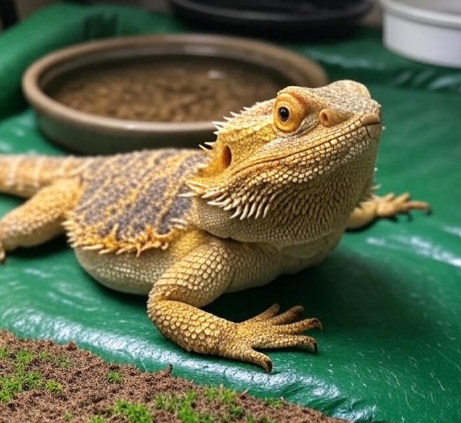
Have you ever watched your bearded dragon eye a grape with curiosity and wondered if it’s a safe treat? These reptiles bring joy with their playful antics, and their diet is a big part of keeping them healthy. Knowing what’s safe to offer can make all the difference in their well-being. This guide explores whether bearded dragons can eat grapes, the risks and benefits, how to serve them properly, and other fruit options to keep your pet thriving.
Whether you’re a new owner asking “can bearded dragons eat grapes?” or a seasoned caretaker looking to diversify meals, we’ll cover nutritional details, portion tips, and expert advice. By the end, you’ll feel confident adding the right foods to your dragon’s plate for a long, happy life.
Are Grapes Safe for Bearded Dragons?
Grapes can be part of a bearded dragon’s diet, but they come with caveats. These juicy fruits offer hydration and a touch of natural sugars, plus small amounts of vitamins like C and K. However, they’re low in calcium and high in oxalates, which can bind calcium and lead to deficiencies over time. Sugar content also risks digestive upset if overfed.
In moderation, grapes are safe for healthy adults and juveniles, but they’re not ideal for babies due to their delicate systems. Wild bearded dragons don’t encounter grapes, so their bodies aren’t naturally tuned for them. Captive dragons can handle them as an occasional treat, provided portions are controlled. Check our safe insects for bearded dragons for more dietary insights.
Benefits and Risks of Feeding Grapes
Grapes bring a few perks when offered sparingly. Their water content helps with hydration, especially in dry climates, and the vitamins support overall health. A few owners notice their dragons perk up with the sweet taste, adding variety to a veggie-heavy diet.
On the flip side, risks loom large. High oxalates can hinder calcium absorption, a critical nutrient for bone strength, potentially leading to metabolic bone disease (MBD). Excess sugar may cause obesity or diarrhea, both of which strain a dragon’s system. Over time, these issues can shorten lifespan, making moderation key. For prevention tips, see our bearded dragon bone disease prevention.
How to Serve Grapes Safely
To make grapes a safe treat, preparation is everything. Wash them thoroughly to remove pesticides, then cut them into small, bite-sized pieces to prevent choking—quartering works for adults, while juveniles need finer cuts. Remove seeds and skin to avoid digestive blockages.
Offer grapes once or twice a month as a tiny portion—about one or two small pieces for an adult, less for a juvenile. Pair with calcium-rich greens like collards, dusted with Fluker’s Reptile Calcium Supplement Without Vitamin D3*, to balance oxalate effects. Monitor your dragon’s reaction; if stools soften or energy dips, cut back. For meal planning, explore our baby bearded dragon diet tips.
*As an Amazon Associate, I earn from qualifying purchases.
Alternative Fruits and Treats
If grapes raise concerns, other fruits can diversify your dragon’s diet. Safe options include:
- Blueberries: Low oxalate, high antioxidants—offer a few weekly.
- Apples: Peeled and diced, a calcium-friendly choice in small amounts.
- Mango: High in vitamin A, but limit to once a month due to sugar.
Avoid high-oxalate fruits like spinach or high-sugar ones like bananas. Rotate treats with staple veggies like squash and bell peppers for balance. Dust insects with HERPTIVITE Multivitamin for reptiles and amphibians* to cover nutritional gaps. Owners find this mix keeps dragons eager at mealtime. Learn more in our adult bearded dragon diet tips.
The Role of Diet in Longevity
Diet shapes how long do bearded dragons live. A mix of 80% vegetables and 20% insects for adults, reversed for juveniles, supports growth and health. Fruits like grapes add variety but shouldn’t dominate—over-reliance can lead to obesity or nutrient imbalances.
Pair diet with proper lighting using the Arcadia Pro T5 UVB Lighting Kit – 24W – Dragon* to aid vitamin D synthesis, crucial for calcium use. Monitor conditions with the Reptile Tank Thermometer, PAIZOO LED Digital Reptile Thermometer and Humidity Gauge* to ensure digestion thrives. A balanced approach can push lifespan toward 15+ years. For habitat setup, see our bearded dragon tank size.
Signs of Dietary Issues and When to Act
Watch for trouble signs from dietary missteps. Soft stools or weight gain signal too much fruit sugar. Lethargy or shaky limbs may hint at calcium loss from oxalates—check with a vet if persistent. Refusal to eat or odd poop colors warrant a quick call to a reptile specialist.
Annual vet visits with fecal tests catch parasites or deficiencies early. If issues arise, adjust portions and consult our common health issues bearded dragons. Quick action keeps your dragon on track for a full life.
Conclusion
So, can bearded dragons eat grapes? Yes, but only as a rare treat—once or twice a month in tiny, prepared portions—to avoid oxalate and sugar risks. Balance with calcium-rich foods and proper lighting for a healthy, long life. Your care choices can see your dragon thrive for 8-15+ years.
Have you tried grapes with your dragon, or do you have a favorite treat to share? Let’s chat in the comments and build our bearded dragon community!
BeardedBuddies.com collaborates with reptile experts to provide accurate, trustworthy care advice. This site participates in the Amazon Associates Program, earning from qualifying purchases.
About the Author
I’m Dragon King, founder of BeardedBuddies.com, with over seven years raising bearded dragons. My dragon, Blaze, once sampled a grape at 8 years old and enjoyed it sparingly—his veggie focus kept him strong at 12 now. I work with herpetologists like Dr. Stephanie Nelk to deliver reliable care tips, connecting owners globally with practical know-how.