
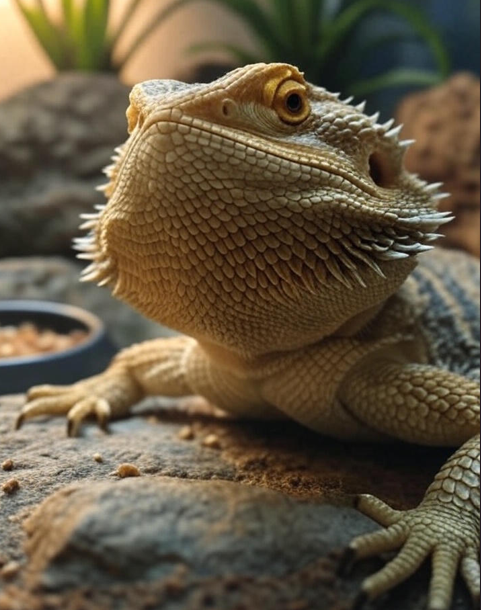
Bearded dragons are beloved for their quirky personalities and manageable care needs, but when your scaly companion suddenly turns away from their favorite crickets or greens, it’s natural to feel a knot in your stomach. A sudden loss of appetite can signal anything from a natural behavior to a health concern that needs quick attention. With years of reptile care experience and insights from veterinary experts, this guide breaks down why your bearded dragon might stop eating and offers practical steps to get them back to their hungry selves. Whether you’re a new owner or a seasoned keeper, you’ll find actionable tips to ensure your pet thrives.
We’ll explore natural behaviors, environmental factors, diet adjustments, stress and health signs, and when to call a vet. Plus, we’ll share real owner stories to show you’re not alone. Let’s dive in and help your dragon get back to chowing down.
Why Bearded Dragons Stop Eating: Common Causes
Bearded dragons, hailing from Australia’s deserts, are hardy eaters when conditions are right. A sudden refusal to eat can stem from several causes, and understanding them is the first step to fixing the issue.
Natural Behaviors: Brumation, a dormancy period similar to hibernation, often occurs in cooler months, even in controlled tanks. During brumation, dragons may eat little or nothing, sleep more, or hide. Shedding is another factor—skin shedding can be itchy or uncomfortable, causing temporary appetite loss. Both are normal but need monitoring to ensure they don’t mask other issues.
Stress Triggers: Changes like a new tank, loud noises, or overhandling can stress your dragon. Territorial by nature, they may react to new pets or other lizards. Look for behaviors like glass surfing or darkened beards.
Health Concerns: Parasites, impaction from improper substrate, or metabolic bone disease (MBD) from poor nutrition can reduce appetite. Symptoms like lethargy, swollen limbs, or odd stools signal a need for action.
Start by logging your dragon’s behavior, eating patterns, and tank conditions. This helps pinpoint the cause and is handy for vet visits.
Optimize Their Habitat for Appetite Recovery
A bearded dragon’s environment directly impacts their desire to eat. If the tank isn’t right, digestion and comfort suffer.
Temperature Check: The basking spot should be 95-110°F for juveniles, 90-100°F for adults, with the cool side at 75-85°F. Nighttime temps can dip to 65-75°F. Inaccurate temperatures can halt digestion.
As an Amazon Associate, I earn from qualifying purchases.
Use the Magnetic Reptile Thermometer and Humidity Gauge* to monitor conditions precisely, ensuring your dragon’s tank supports healthy digestion.
Humidity Control: Keep humidity at 30-40% to avoid dehydration or respiratory issues. Too dry? Mist lightly with the Zilla Tropical Mist Humidity Spray* to maintain balance without soaking the tank.
UVB Lighting: UVB light is critical for calcium absorption and appetite. Bulbs lose UVB output over time, so replace them every 6-12 months. Position the bulb 10-12 inches from the basking spot.
Upgrade with the Arcadia Pro T5 UVB Lighting Kit* to provide strong UVB for your dragon’s health.
Tank Size and Enrichment: Babies need 20-40 gallons, juveniles 40-75, and adults 75-120 gallons. Add hides and climbing structures to reduce stress. Avoid loose substrates like sand for young dragons to prevent impaction.
| Habitat Factor | Ideal Range | Issue if Incorrect |
|---|---|---|
| Basking Temp | 90-110°F | Poor digestion |
| Cool Side Temp | 75-85°F | Stress or lethargy |
| Humidity | 30-40% | Dehydration, respiratory issues |
| UVB Exposure | 10-12% UVB, 12 hours/day | Vitamin deficiency |
| Tank Size | 75+ gallons (adults) | Stress, reduced appetite |
This table helps you quickly assess your setup.
Fine-Tune Their Diet to Spark Appetite
Diet plays a huge role in appetite. Bearded dragons need a balanced mix of insects and greens, adjusted by age.
Diet Breakdown:
- Babies (0-4 months): 80% insects (crickets, dubia roaches), 20% greens.
- Juveniles (4-12 months): 50-70% insects, 30-50% greens.
- Adults (12+ months): 20% insects, 80% greens like collards, mustard greens, or dandelion.
Offer fresh greens daily in a Zilla Vertical Décor Mushroom Feeding Ledge* to keep food clean and accessible.
Supplements: Dust insects with Fluker’s Calcium Reptile Supplement with Vitamin D3* 4-5 times weekly for juveniles, 3 times for adults. Add Fluker’s Repta Vitamin with Beta Carotene* 1-2 times a week to prevent deficiencies.
Hydration: Bearded dragons get water from food, but a shallow soaking dish helps during shedding or dehydration. Use a Zilla Tropical Mist Humidity Spray* to mist salads lightly.
If your dragon refuses food, try hand-feeding small portions or offering favorites like hornworms. For more on balanced diets, check our feeding schedule tips.
Spot Stress or Health Issues Early
Stress or illness can shut down a bearded dragon’s appetite fast.
Stress Signs: Look for glass surfing, head bobbing, or arm waving. Causes include new environments, frequent handling, or visible household pets. Provide hides, limit handling to 10 minutes daily, and keep the tank in a quiet spot.
Health Red Flags:
- Parasites: Loose or smelly stools.
- Impaction: No bowel movements, swollen belly.
- MBD: Tremors, weak limbs.
- Respiratory Issues: Wheezing, drooling.
For minor wounds or skin issues during shedding, keep a Bearded Dragon Manual, 3rd Edition* on hand for quick care tips, but see a vet for serious symptoms.
Monitor weight weekly to catch issues early. Sudden weight loss or lethargy needs immediate attention.
When to Call a Reptile Vet
If your dragon hasn’t eaten for 3-5 days, especially with symptoms like weight loss, odd stools, or lethargy, consult a reptile vet. Babies under 6 months dehydrate quickly, so don’t wait.
Bring your log of tank conditions, diet, and behavior. Vets may run fecal tests for parasites or recommend fluids.
Find a specialist at ARAV.org. After the visit, follow diet or medication advice closely.
Keep the Bearded Dragon Manual, 3rd Edition* for reference on post-vet care.
Preventing Appetite Issues Long-Term
Prevent future problems with consistent care:
- Check temperatures daily with the Magnetic Reptile Thermometer and Humidity Gauge*.
- Replace UVB bulbs regularly using the Arcadia Pro T5 UVB Lighting Kit*.
- Vary greens and dust with Fluker’s Calcium Reptile Supplement* and Fluker’s Repta Vitamin*.
- Clean the tank monthly and use a Zilla Vertical Décor Mushroom Feeding Ledge* for hygienic feeding.
- Minimize stress by keeping handling gentle and the tank stable.
For senior dragons, reduce insects and focus on greens. Regular baths in a shallow dish with Zilla Tropical Mist Humidity Spray* aid hydration.
Conclusion: Bring Back Your Dragon’s Appetite
A bearded dragon that stops eating can be stressful, but checking their environment, diet, and health signs can often solve the problem. Use tools like the Magnetic Reptile Thermometer and Humidity Gauge* and Arcadia Pro T5 UVB Lighting Kit* to keep their habitat perfect. Supplements like Fluker’s Calcium Reptile Supplement* and a Zilla Vertical Décor Mushroom Feeding Ledge* ensure proper nutrition. If issues persist, a vet visit is critical.
Have you faced this with your dragon? Share your tips in the comments! Explore our blog for more care advice and join our community of reptile lovers.
BeardedBuddies.com collaborates with reptile experts to provide accurate, trustworthy advice. This site participates in the Amazon Associates Program, earning from qualifying purchases.
About the Author
Dragon King, founder of BeardedBuddies.com, is a lifelong reptile enthusiast dedicated to helping owners keep their dragons healthy. I once nursed my beardie, Dusty, through a tough shed that killed her appetite, using careful hydration and a cozy setup to bring her back. Our mission is to share practical, vet-backed tips to connect and educate reptile lovers worldwide.