
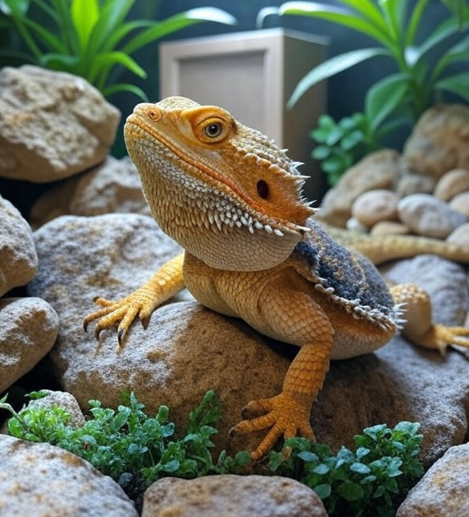
Ever caught your bearded dragon soaking up the warmth of its basking lamp and wondered how many years you’ll share with your scaly friend? These reptiles charm owners with their quirky behaviors and manageable care needs. Knowing their lifespan helps you provide the best life possible. This guide dives into the average lifespan of bearded dragons, factors that affect it, common care mistakes to avoid, and practical tips to keep your dragon thriving for years.
Whether you’re a new owner searching “how long do bearded dragons live” or an experienced keeper aiming to refine your care routine, we’ll cover wild versus captive lifespans, health challenges, and senior-specific advice. By the end, you’ll have the tools to maximize your dragon’s longevity and quality of life.
Understanding Bearded Dragon Lifespan: Wild vs. Captivity
Bearded dragons, native to Australia’s arid regions, have lifespans that vary greatly depending on their environment. In the wild, they face predators, inconsistent food sources, and extreme weather, limiting their average lifespan to 4 to 10 years. A particularly resilient dragon might reach 12 years, but survival is tough.
In captivity, bearded dragons avoid these dangers and benefit from consistent nutrition and veterinary care, leading to an average lifespan of 8 to 15 years. Exceptional care can push this to 18 years or more, with the oldest recorded captive dragon reaching 18. This difference highlights the impact of proper husbandry.
Here’s a quick comparison:
| Factor | Wild Lifespan | Captive Lifespan |
|---|---|---|
| Average Years | 4-10 | 8-15+ |
| Key Threats | Predators, food scarcity, harsh conditions | Poor diet, inadequate UVB, improper habitat |
| Survival Factors | Genetic resilience, adaptability | Quality nutrition, UVB exposure, vet care |
This table, optimized for mobile viewing, shows why captivity offers more years, but it places the responsibility on owners to replicate natural conditions. For more on wild challenges, check our guide on threats to wild bearded dragons.
Key Factors Influencing Bearded Dragon Lifespan
Several elements determine how long do bearded dragons live. Genetics provide a foundation—some morphs may have predispositions to health issues—but care practices often have the greatest impact.
Diet is critical. Juveniles need protein-packed insects for growth, while adults require mostly vegetables to avoid obesity and organ stress. Nutritional imbalances can lead to deficiencies that shorten life. Habitat setup is equally important: inadequate UVB lighting causes metabolic bone disease (MBD), a leading cause of early death. Stress from cramped enclosures or poor hygiene weakens immunity, increasing infection risks.
Health monitoring is vital. Parasites, respiratory infections, or impaction from ingested substrate can be fatal if untreated. Gender plays a role too—females may face egg-laying complications, while males can become stressed in multi-dragon setups. Addressing these factors can push your dragon toward the upper end of the 8-15 year range. Learn more about feeding in our bearded dragon feeding schedule tips.
Common Health Challenges and How to Prevent Them
Despite best efforts, health issues can arise and impact how long do bearded dragons live. Metabolic bone disease, caused by insufficient calcium or UVB, leads to brittle bones and is a top killer. Look for swollen limbs or a soft jaw—prevent it with proper supplements and lighting.
Respiratory infections, triggered by low temperatures or high humidity, show as wheezing or mucus. Maintain 30-40% humidity and a basking spot of 100-110°F. Impaction, where the gut is blocked by substrate or oversized prey, causes constipation and can be deadly. Use safe substrates and appropriately sized food.
Parasites like pinworms are common in rescues or from wild-caught insects; annual fecal tests detect them early. Adenovirus, a viral condition, has no cure but can be managed with care. Regular vet visits—every 6-12 months—and a clean enclosure prevent these lifespan reducers. For bone health tips, see our bearded dragon bone disease prevention.
Essential Care Tips to Promote Longevity
To maximize your bearded dragon’s lifespan, start with a solid setup. A spacious enclosure—at least 4x2x2 feet for adults—reduces stress and encourages natural behaviors. The REPTI ZOO Full Glass 35 Gallon Reptile Tank* offers ample space and easy access for feeding and cleaning.
*As an Amazon Associate, I earn from qualifying purchases.
Lighting is critical: a high-quality UVB bulb like the Arcadia Pro T5 UVB Lighting Kit – 24W – Dragon* mimics sunlight to prevent MBD. Pair it with the Reptile Tank Thermometer, PAIZOO LED Digital Reptile Thermometer and Humidity Gauge* to ensure precise temperature (100-110°F basking, 80°F cool side) and humidity (30-40%) control. Owners love these for maintaining optimal conditions.
Diet evolves with age: babies need 80% insects, adults 80% greens. Dust feeders with Fluker’s Reptile Calcium Supplement Without Vitamin D3* for bone health and HERPTIVITE Multivitamin for reptiles and amphibians* for balanced nutrition. These supplements, paired with gut-loaded insects, are praised for keeping dragons vibrant. For dietary balance, explore our adult bearded dragon diet tips.
Gentle handling builds trust, while enrichment like climbing structures and hides keeps them engaged. These steps not only extend lifespan but also enhance quality of life.
Caring for Senior Bearded Dragons
When your dragon reaches 7-8 years, it enters senior territory, and adjustments can add years. Healthy aging signs include steady (if slower) activity, a consistent appetite, and clear eyes without discharge. Shedding may decrease, and skin may roughen, but alertness remains key.
Adjust diet for easier digestion: offer softer greens, fewer insects, and more hydration through baths or misting. Lower the basking temperature to 95-100°F to ease joint stress, and add ramps for accessibility. Continue supplements to combat deficiencies—calcium and multivitamins are critical.
Monitor for arthritis (limping) or vision issues, and schedule vet visits twice yearly. These tweaks help seniors reach 12+ years comfortably. For more, read our senior bearded dragon care.
Monitoring Health and When to Seek Veterinary Help
Regular at-home checks are essential for a long life. Weigh your dragon monthly—stable weight signals good health. Watch for lethargy, appetite loss, or abnormal stools, which may indicate issues. Tools like a digital thermometer ensure habitat conditions stay ideal.
Veterinary care isn’t just for emergencies; annual checkups with bloodwork and fecal tests catch problems early. Immediate vet attention is needed for swelling, breathing issues, or sudden behavior changes, as these can escalate quickly. For warning signs, see our common health issues bearded dragons.
Worried about tracking care tasks? The Bearded Dragon Care Checklist offers a downloadable, tailored plan to keep you organized—owners swear by it for staying on top of health needs.
Conclusion
In short, how long do bearded dragons live depends on care quality: 4-10 years in the wild, but 8-15+ years in captivity with proper attention. Focus on nutrition, habitat, and health monitoring to maximize those years. Your efforts ensure not just a long life but a vibrant one for your pet.
How old is your bearded dragon, or do you have senior care tips to share? Drop a comment below—let’s connect and grow our bearded dragon community!
BeardedBuddies.com collaborates with reptile experts to provide accurate, trustworthy care advice. This site participates in the Amazon Associates Program, earning from qualifying purchases.
About the Author
Dragon King, founder of BeardedBuddies.com, has raised bearded dragons for over seven years. My dragon, Blaze, now 12, thrives thanks to meticulous care, especially consistent UVB and a veggie-rich diet. Working with experts like Dr. Stephanie Nelk, a reptile veterinarian, I ensure all advice aligns with proven herpetology practices, helping owners worldwide give their dragons long, healthy lives.