
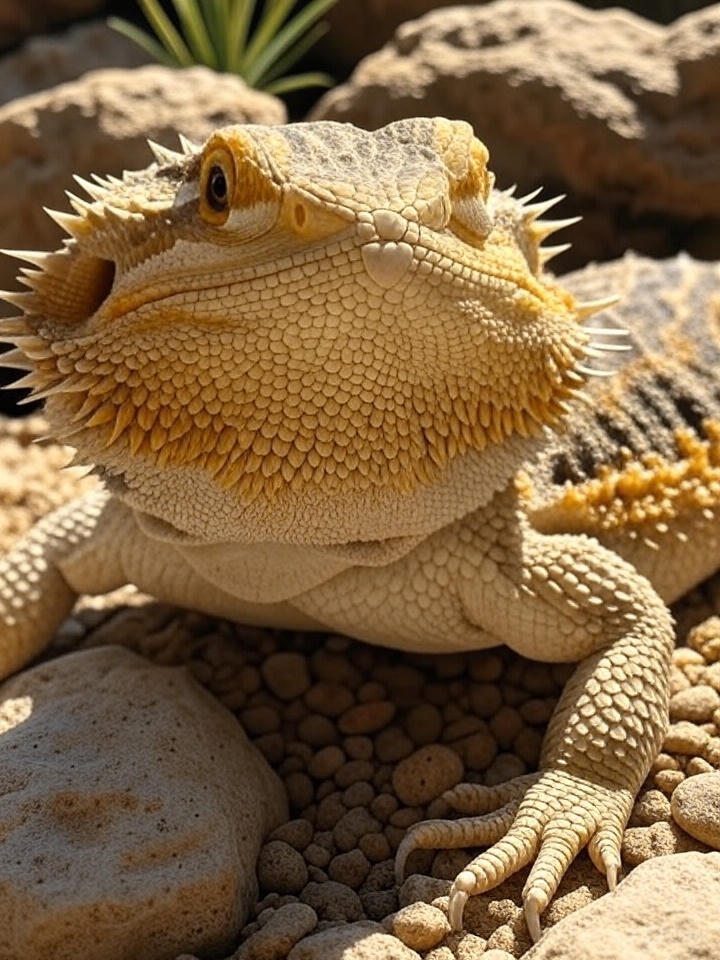
Bearded dragons are known for their quirky personalities, and nothing showcases this more than the bizarre positions they choose to sleep in—pancaked against the glass, sprawled upside down, or wedged into a corner like a scaly contortionist. These odd sleeping habits often leave owners scratching their heads, wondering if their dragon is okay or just being a little eccentric. In this guide, we’ll explore why bearded dragons sleep in such unusual positions, what these behaviors mean, and how to ensure their sleeping environment is safe and comfortable. Whether your dragon is a belly-flopping snoozer or a vertical napper, you’ll find answers and practical tips to keep them healthy.
Why Sleeping Positions Matter for Bearded Dragons
Sleep is critical for bearded dragons to recharge, regulate their metabolism, and stay stress-free. Their sleeping positions can reflect their comfort, health, or environmental conditions. While some odd postures are harmless quirks, others might signal issues like improper temperatures or stress. Dr. Stephanie Nelk, a reptile veterinarian, notes, “Unusual sleeping positions can be normal for bearded dragons, but consistent patterns paired with other symptoms may indicate husbandry problems.” Understanding these behaviors helps you ensure your dragon’s enclosure supports their well-being.
Common Odd Sleeping Positions and What They Mean
Bearded dragons can sleep in a variety of peculiar ways. Here are some common positions and their potential causes:
- Pancaking Against Glass: Flattening against the tank wall, often vertically, may indicate a dragon seeking warmth or security.
- Upside-Down or Head-Down Sleeping: Hanging upside down or head-down in a hammock or on a branch could show comfort or an attempt to cool off.
- Wedged in Corners or Hides: Squeezing into tight spaces, like an Exo Terra Hide Cave, often means they feel secure or are regulating temperature.
- Sprawled Out: Lying flat with limbs spread out might indicate they’re too warm or simply relaxed.
- Standing Upright: Leaning upright against a log or rock could suggest they’re seeking a cooler or warmer spot.
If your dragon’s odd sleeping is paired with lethargy, poor appetite, or other health signs, consult a reptile veterinarian to rule out underlying issues.
Factors Influencing Sleeping Positions
Several environmental and health factors can lead to those quirky sleeping poses:
| Factor | Impact on Sleeping Position | Solution | Recommended Product |
|---|---|---|---|
| Temperature | Too hot or cold temperatures can push dragons to unusual spots | Maintain 65-75°F at night, 95-110°F basking during the day | Zoo Med ReptiTemp Rheostat, Fluker’s Digital Thermometer/Hygrometer |
| Lighting | Improper UVB or light cycles disrupt sleep | Use 12-hour UVB cycle | Zoo Med ReptiSun UVB Bulb |
| Enclosure Setup | Lack of cozy hides or climbing options affects comfort | Provide secure resting spots | Exo Terra Cocount Cave, Exo Terra Hammock |
| Stress | Inadequate hiding spots or tank mates cause insecurity | Add hides, reduce stressors | Exo Terra Cocount Cave |
As an Amazon Associate, I earn from qualifying purchases. Products like the Zoo Med ReptiSun UVB Bulb and Exo Terra Cocount Cave are favorites among owners for creating a sleep-friendly environment.
- Temperature Imbalances: If nighttime temperatures drop below 65°F or exceed 75°F, dragons may seek odd spots to regulate their body heat. Use a Zoo Med ReptiTemp Rheostat to fine-tune heat sources and monitor with a Fluker’s Digital Thermometer/Hygrometer.
- Inadequate Lighting: Disrupted 12-hour light cycles can confuse their sleep patterns. A Zoo Med ReptiSun UVB Bulb ensures proper daytime UVB exposure.
- Enclosure Comfort: Without cozy spots like an Exo Terra Hammock or Exo Terra Cocount Cave, dragons may sleep in strange places to feel secure.
- Stress or Health Issues: Stress from loud noises or poor diet can lead to restless sleep. A comfortable hide like the Exo Terra Cocount Cave can help.
For a tailored setup, use the Bearded Dragon Enclosure Calculator. Owners swear by this tool for generating enclosure plans that optimize comfort and sleep.
How to Support Healthy Sleep
To encourage normal sleep and minimize odd positions caused by discomfort, follow these steps:
- Maintain Proper Temperatures: Keep nighttime temperatures at 65-75°F using a ceramic heat emitter if needed, controlled by a Zoo Med ReptiTemp Rheostat. Monitor with a Fluker’s Digital Thermometer/Hygrometer to avoid fluctuations.
- Set Up Consistent Lighting: Use a timer with a Zoo Med ReptiSun UVB Bulb for a 12-hour day cycle (e.g., 7 AM to 7 PM) to support natural rhythms.
- Provide Comfortable Resting Spots: Offer an Exo Terra Hammock for lounging or an Exo Terra Cocount Cave for secure sleeping. These give your dragon safe, cozy options.
- Reduce Stress: Minimize loud noises, sudden movements, or overcrowding. A calm environment promotes restful sleep.
- Monitor Health: If odd sleeping persists with symptoms like weight loss, consult a vet to check for underlying issues.
The Bearded Dragon Care Checklist is a game-changer for tracking lighting, heating, and enclosure tasks to ensure your dragon sleeps soundly.
Myths About Bearded Dragon Sleeping Habits
Let’s debunk some common misconceptions about those quirky sleeping positions:
- Myth: “Odd sleeping positions always mean something’s wrong.” Fact: Many dragons sleep strangely out of comfort or personality. Only worry if paired with health symptoms.
- Myth: “Bearded dragons don’t need hides to sleep.” Fact: A secure hide like the Exo Terra Cocount Cave can reduce stress and encourage normal sleep.
- Myth: “Any light works for their tank.” Fact: Only UVB bulbs like the Zoo Med ReptiSun UVB Bulb support healthy sleep cycles by aiding vitamin D3 synthesis.
Conclusion
Bearded dragons sleep in odd positions for a mix of reasons—comfort, temperature regulation, or just their quirky nature. By ensuring proper lighting with a Zoo Med ReptiSun UVB Bulb, stable temperatures with a Zoo Med ReptiTemp Rheostat, and cozy spots like an Exo Terra Hammock or Exo Terra Cocount Cave, you can support healthy sleep while embracing their eccentricities. Tools like the Bearded Dragon Enclosure Calculator make setup easy. What’s the weirdest way your dragon sleeps? Share in the comments or ask for tips to optimize their snooze!
About the Author
I’m Dragon King, founder of BeardedBuddies.com and a reptile enthusiast with over seven years raising bearded dragons. My dragon, Blaze, loves sleeping upside down in his Exo Terra Hammock, which worried me until I confirmed his tank setup was spot-on with a Fluker’s Digital Thermometer/Hygrometer. I collaborate with herpetologists to share practical, trustworthy advice for dragon owners worldwide. All my tips are based on consultations with reptile experts and standard care practices.
BeardedBuddies.com collaborates with reptile experts to provide accurate, trustworthy care advice. This site participates in the Amazon Associates Program, earning from qualifying purchases.