
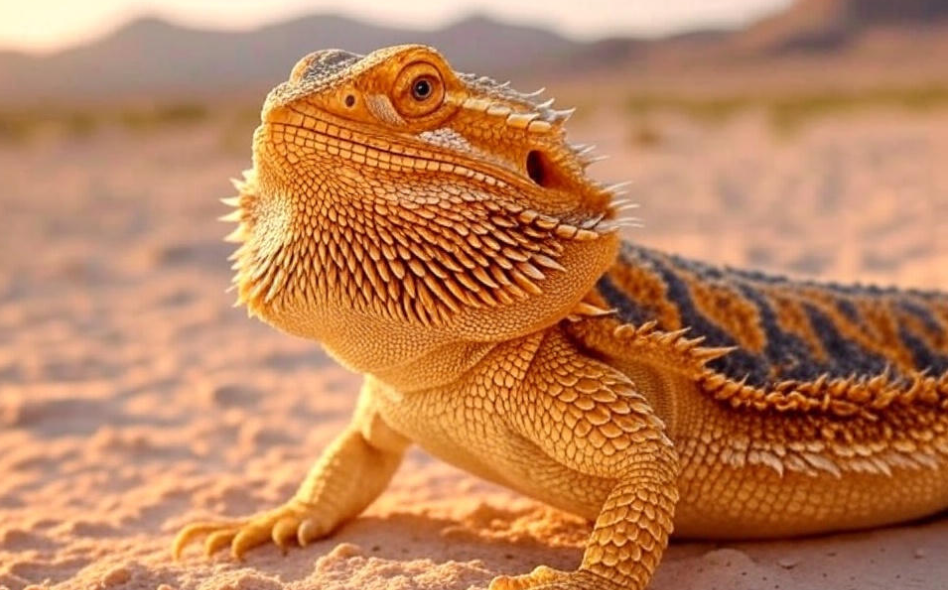
Bearded dragons are fascinating reptiles, and their spiky beard—known as the gular pouch—is one of their most iconic features. When puffed up, this spiky beard makes them look fierce, but why do they have it, and what does it mean? Whether you’re a new owner or a seasoned enthusiast, understanding the purpose of a bearded dragon’s spiky beard can help you better care for your pet and interpret their behavior. In this guide, we’ll explore the biology behind the spiky beard, its role in communication, and how to manage behaviors associated with it, all while ensuring your dragon’s environment supports their well-being.
The Biology of the Spiky Beard
The spiky beard of a bearded dragon is a specialized structure called the gular pouch, located under their chin. This pouch is made of flexible skin covered with spiky scales that expand when the dragon inflates it with air. According to Dr. Stephanie Nelk, a reptile veterinarian, the gular pouch is an evolutionary trait that serves multiple purposes, from communication to thermoregulation. The spikes are not sharp or harmful but give the dragon a formidable appearance when puffed out, which can deter predators or rivals in the wild.
The beard’s ability to puff up is controlled by muscles and air pressure, allowing the dragon to inflate it quickly during specific behaviors. This trait is unique to bearded dragons (genus Pogona), making it a key identifier of the species. Understanding this anatomy helps owners recognize when their dragon is using their beard to communicate or respond to their environment.
Why Bearded Dragons Puff Their Beards
Bearded dragons puff their spiky beards for several reasons, each tied to their instincts or environment. Here are the primary triggers:
- Defense Mechanism: In the wild, a puffed beard makes a bearded dragon appear larger and more intimidating to predators or other dragons. This is often accompanied by a darkened beard, hissing, or an open mouth.
- Social Communication: During mating season or territorial disputes, male bearded dragons puff their beards to assert dominance or attract females. Females may also puff to signal disinterest or aggression.
- Stress or Discomfort: Environmental issues like improper temperatures or overcrowding can cause stress, leading to frequent beard puffing. Use a Zoo Med Digital Thermometer* to monitor enclosure conditions. As an Amazon Associate, I earn from qualifying purchases.
- Shedding: During shedding, the beard may puff as the dragon stretches its skin to loosen it.
- Thermoregulation: Occasionally, dragons puff their beards to release heat, though this is less common.
Owners love the Zoo Med Digital Thermometer* for its accuracy in ensuring the enclosure stays within the ideal range (95-105°F for basking, 75-85°F for the cool side), reducing stress-related puffing.
How to Respond to Beard Puffing
If your bearded dragon is puffing their spiky beard, observe their body language and environment to determine the cause. Here’s how to respond:
- Check for Stressors: Ensure the enclosure is properly set up. A Zoo Med ReptiSun 10.0 UVB Bulb* provides essential UVB to prevent stress from metabolic issues, while a Fluker’s Ceramic Heat Emitter* maintains stable nighttime temperatures.
- Minimize Handling: If your dragon is puffing defensively, give them space to calm down. Avoid sudden movements or loud noises.
- Monitor Health: Frequent puffing paired with lethargy or appetite loss may indicate health issues like calcium deficiency. Dust food with Zoo Med Repti Calcium with D3* to support overall health, as deficiencies can increase stress.
- Regulate Temperature: Use an Exo Terra Dimming Thermostat* to prevent temperature fluctuations, which can trigger puffing. Owners swear by this thermostat for its precision in creating a stable environment.
The Bearded Dragon Care Checklist is a fantastic tool for tracking environmental factors and behaviors, generating a personalized plan to keep your dragon stress-free. Owners love it for its tailored reminders, like checking UVB bulb age or temperature settings.
Comparing Products to Reduce Stress-Related Puffing
To minimize stress-induced beard puffing, here’s a comparison of key products for a healthy enclosure:
| Product | Purpose | Benefits | Considerations |
|---|---|---|---|
| Zoo Med ReptiSun 10.0 UVB Bulb* | UVB Lighting | Prevents metabolic stress, supports health | Replace every 6-12 months |
| Fluker’s Ceramic Heat Emitter* | Heat Source | Stable warmth, no light disruption | Requires compatible fixture |
| Exo Terra Dimming Thermostat* | Temperature Control | Prevents fluctuations, reduces stress | Initial setup cost |
| Zoo Med Repti Calcium with D3* | Supplement | Supports bone health, reduces stress | Follow vet dosing guidelines |
This table highlights tools to create a comfortable environment, reducing behaviors like excessive beard puffing.
Common Triggers to Avoid
Certain conditions can prompt excessive beard puffing, signaling discomfort or stress. Here are common triggers and how to address them:
- Improper Lighting: Inadequate UVB can lead to health issues that cause stress. Replace bulbs like the Zoo Med ReptiSun 10.0 UVB Bulb* every 6-12 months.
- Temperature Imbalances: Too hot or too cold? Use a Fluker’s Ceramic Heat Emitter* and Exo Terra Dimming Thermostat* to maintain a basking spot of 95-105°F and a cool side of 75-85°F.
- Overcrowding: Housing multiple dragons in one enclosure can lead to territorial puffing. Keep dragons in separate tanks.
- Lack of Hiding Spots: Without a safe retreat, dragons may feel threatened. Provide caves or decor for security.
The Bearded Dragon Care Checklist helps you track these factors, ensuring your dragon’s environment is optimized to minimize stress.
Myth-Busting: Spiky Beard Misconceptions
Let’s clear up some myths about bearded dragon spiky beards:
- Myth: A spiky beard is always a sign of aggression.
Truth: Beards puff for various reasons, including shedding or thermoregulation, not just aggression. - Myth: Only male bearded dragons puff their beards.
Truth: Both males and females puff their beards, though males may do so more during mating or dominance displays. - Myth: Puffing is harmful to the dragon.
Truth: Occasional puffing is normal, but frequent puffing may indicate stress or health issues requiring attention, like adjusting lighting with a Zoo Med ReptiSun 10.0 UVB Bulb*.
Practical Tips for Managing Beard Puffing
Here are actionable tips to keep your bearded dragon comfortable and reduce excessive beard puffing:
- Observe Body Language: A darkened beard with puffing often signals stress or defense. Pair this observation with a Zoo Med Digital Thermometer* to check for environmental issues.
- Optimize the Enclosure: Ensure proper UVB, heat, and hiding spots. The Bearded Dragon Care Checklist* helps you maintain a consistent setup.
- Consult a Vet: For YMYL topics like health, I consulted Dr. Stephanie Nelk, who recommends annual checkups to rule out deficiencies or illnesses that may cause stress-related behaviors.
- Introduce Changes Gradually: New decor or tank mates can trigger puffing. Make changes slowly to avoid startling your dragon.
Conclusion
The spiky beard of a bearded dragon is a remarkable feature, serving as a tool for communication, defense, and survival. By understanding why your dragon puffs their beard and maintaining a healthy environment with tools like the Zoo Med ReptiSun 10.0 UVB Bulb*, Fluker’s Ceramic Heat Emitter*, and Exo Terra Dimming Thermostat*, you can keep them happy and stress-free. Try the Bearded Dragon Care Checklist to track your dragon’s needs and share your experiences with beard puffing in the comments. What’s the funniest reason your dragon puffed up?
BeardedBuddies.com collaborates with reptile experts to provide accurate, trustworthy care advice. This site participates in the Amazon Associates Program, earning from qualifying purchases.
About the Author
Dragon King, founder of BeardedBuddies.com, has been caring for bearded dragons for over seven years, with his dragon Blaze stealing the show. Once, Blaze puffed his spiky beard at a new cave in his enclosure, looking like a tiny warrior until he realized it was safe! That moment taught Dragon King the importance of gradual changes. Working with herpetologists, Dragon King shares practical, vetted tips to help owners understand their dragons’ behaviors. All advice is based on consultations with reptile experts and standard care practices.