
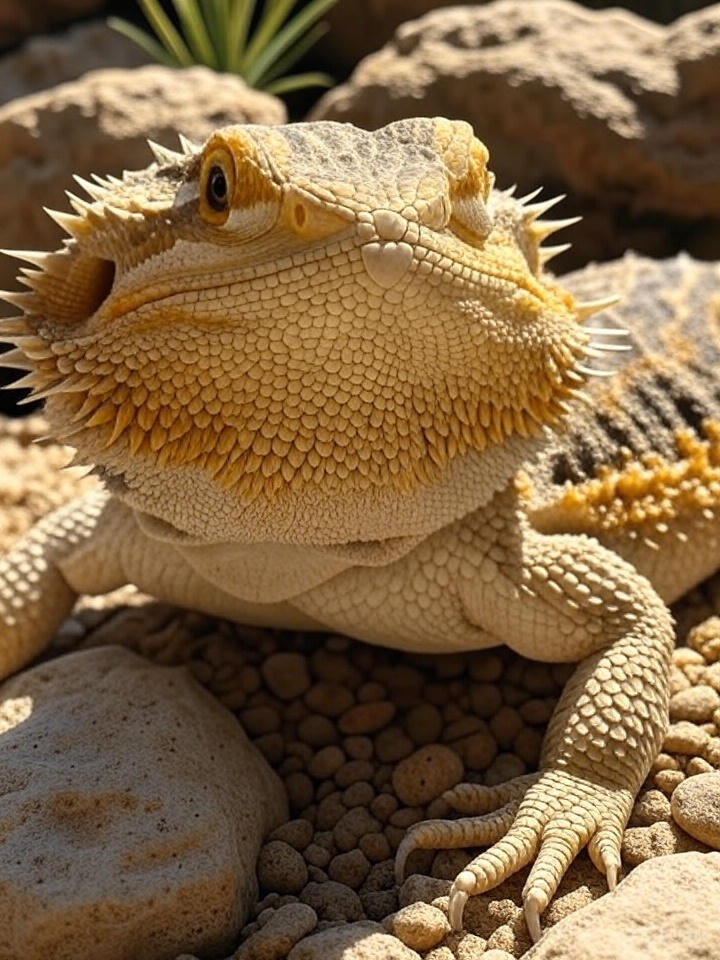
When I first considered adding a bearded dragon to my family, I dreamed of bringing one straight from their native Australian outback, imagining a vibrant Pogona vitticeps basking in my home. But then I hit a wall: Australia’s strict biosecurity laws. Importing bearded dragons from Australia is a complex topic, governed by regulations to protect native ecosystems. In this FAQ-style guide, we’ll answer your key questions about the legality of importing bearded dragons, why these laws exist, and how to legally acquire a dragon while ensuring their health. Dr. Liam Foster, a reptile conservationist, notes, “Australia’s biosecurity laws are stringent to safeguard biodiversity, but there are legal ways to enjoy bearded dragons as pets.” Let’s dive into the details to keep your dragon dreams legal and ethical.
FAQ: Importing Bearded Dragons from Australia
Q1: Is It Legal to Import Bearded Dragons from Australia for Personal Pet Ownership?
A: No, it is generally illegal to import bearded dragons from Australia for personal pet ownership. Australia’s Environment Protection and Biodiversity Conservation Act 1999 (EPBC Act) and Biosecurity Act 2015 prohibit the import of live reptiles, including bearded dragons, due to strict biosecurity measures. These laws prevent the introduction of foreign diseases or parasites that could harm Australia’s native ecosystems. The Australian Quarantine and Inspection Service (AQIS) has not established import conditions for reptiles as pets, making personal imports nearly impossible.
What to Do: Source captive-bred bearded dragons from licensed breeders or rescues in your country. Ensure their enclosure includes a Zoo Med ReptiSun UVB Bulb for health.
Q2: Can Bearded Dragons Be Imported from Australia for Zoological or Research Purposes?
A: Yes, but only under strict conditions. Imports for zoological or research purposes may be allowed with permits from the Department of Agriculture, Fisheries and Forestry, provided the facility is approved and meets welfare standards under the EPBC Act. Applicants must demonstrate minimal stress during transport and proper care facilities, including a Fluker’s Digital Thermometer/Hygrometer to monitor conditions. However, these permits are rare and not for personal pet ownership.
What to Do: Contact your country’s wildlife authority and Australia’s Department of Climate Change, Energy, the Environment and Water (DCCEEW) for permit details. For pet ownership, opt for local captive-bred dragons.
Q3: Why Are Australia’s Import Laws So Strict for Bearded Dragons?
A: Australia bans the import of live reptiles to protect its unique biodiversity and prevent invasive species or diseases. Bearded dragons (Pogona species) are native to Australia, and introducing foreign reptiles could bring pathogens like adenovirus, which is absent in Australia’s wild populations. The EPBC Act and CITES (Convention on International Trade in Endangered Species) regulate trade to safeguard native wildlife. Dr. Foster explains, “Australia’s ecosystem is fragile, and biosecurity laws prevent ecological imbalances.”
What to Do: Support conservation by choosing captive-bred dragons and maintaining a naturalistic enclosure with Zoo Med Eco Earth Loose Coconut Fiber Substrate.
Q4: Is It Legal to Export Bearded Dragons from Australia?
A: No, exporting bearded dragons from Australia is generally illegal. The EPBC Act prohibits the export of native wildlife, including bearded dragons, for the pet trade to protect biodiversity. Limited exceptions exist for approved zoological or research purposes, requiring permits and Ambassador Agreements to ensure welfare. Illegal exports, often via the black market, risk fines up to $200,000.
What to Do: Avoid illegal sources and purchase from reputable breeders in your country. Use an Exo Terra Feeding Dish to provide a balanced diet for your dragon.
Q5: Can I Bring My Bearded Dragon to Australia If I Move There?
A: No, you cannot bring a bearded dragon to Australia, even if it’s a pet. Australia’s biosecurity laws prohibit importing live reptiles, regardless of their origin, to prevent disease introduction. Even native species like bearded dragons bred overseas carry risks of foreign pathogens. Quarantine for reptiles is not available for personal pets, unlike for dogs or cats.
What to Do: Find a trusted caregiver for your dragon or rehome it before moving. In Australia, acquire a captive-bred dragon with a local reptile license and provide a hide like an Exo Terra Cocount Cave.
Q6: How Can I Legally Acquire a Bearded Dragon Outside Australia?
A: In countries like the United States, United Kingdom, or Canada, bearded dragons are widely available from licensed breeders, pet stores, or rescues. These dragons are captive-bred, as Australia banned wild exports in the 1960s. In the U.S., no federal import restrictions apply for captive-bred dragons, but some states (e.g., Hawaii) ban them due to invasive species risks. In the UK, no special licenses are needed for non-CITES species like bearded dragons. Check local regulations for permits or restrictions.
What to Do: Source from reputable breeders and set up a tank with a Fluker’s Digital Thermometer/Hygrometer to monitor conditions.
Q7: What Are the Risks of Illegal Imports?
A: Attempting to import bearded dragons illegally from Australia risks severe penalties, including fines up to $200,000, confiscation, or jail time under the EPBC Act. Smuggled dragons may carry diseases like adenovirus or parasites, harming local ecosystems or other pets. They’re also stressed from transport, leading to health issues.
What to Do: Avoid black market sources. Ensure your dragon’s enclosure has a Zoo Med ReptiSun UVB Bulb and Exo Terra Cocount Cave for a stress-free environment.
Key Considerations for Bearded Dragon Care Post-Adoption
Since importing from Australia is not feasible, focus on proper care for captive-bred dragons:
- Enclosure: Use a 120-gallon tank with a temperature gradient (basking: 95-110°F; cool side: 75-80°F), monitored with a Fluker’s Digital Thermometer/Hygrometer.
- Diet: Feed 50-70% greens and 30-50% insects in an Exo Terra Feeding Dish to prevent impaction.
- Health: Use a Zoo Med ReptiSun UVB Bulb for 12 hours daily to support health and prevent MBD.
- Stress Reduction: Provide an Exo Terra Cocount Cave for security, especially for rescues.
The Bearded Dragon Enclosure Calculator tailors setup recommendations, while the Bearded Dragon Care Checklist ensures proper care routines.
| Question | Answer Summary | Action | Recommended Product/Tool |
|---|---|---|---|
| Legal to Import for Pets? | No, prohibited by biosecurity laws | Source captive-bred locally | Exo Terra Feeding Dish |
| Zoological Imports? | Possible with permits | Contact authorities | Fluker’s Digital Thermometer/Hygrometer |
| Why Strict Laws? | Protects biodiversity, prevents diseases | Support conservation | Zoo Med Eco Earth Substrate |
| Exporting Legal? | No, banned for pet trade | Avoid illegal sources | Exo Terra Cocount Cave |
| Bring to Australia? | No, not allowed | Rehome before moving | Zoo Med ReptiSun UVB Bulb |
As an Amazon Associate, I earn from qualifying purchases. Tools like the Zoo Med Eco Earth Loose Coconut Fiber Substrate create a naturalistic home for your legal dragon.
Common Mistakes to Avoid
- Attempting Illegal Imports: Risks fines and ecological harm. Source locally instead.
- Ignoring Local Laws: Check regional regulations (e.g., Hawaii’s ban) before acquiring a dragon.
- Poor Enclosure Setup: Inadequate UVB or temperature stresses dragons. Use a Zoo Med ReptiSun UVB Bulb.
- Neglecting Welfare: Ensure proper care with tools like the Bearded Dragon Care Checklist.
Myths About Importing Bearded Dragons
- Myth: “It’s easy to import native dragons to Australia.” Fact: Even native species are banned due to disease risks.
- Myth: “Exports are allowed for pets.” Fact: Australia prohibits exports for the pet trade.
- Myth: “Captive-bred dragons are safe to import.” Fact: Foreign-bred dragons risk introducing pathogens.
Conclusion
Importing bearded dragons from Australia is generally illegal due to strict biosecurity laws protecting native ecosystems. Instead, source captive-bred dragons locally and set up a healthy enclosure with a Zoo Med ReptiSun UVB Bulb, Exo Terra Cocount Cave, and Fluker’s Digital Thermometer/Hygrometer. The Bearded Dragon Enclosure Calculator and Bearded Dragon Care Checklist ensure proper care. Have questions about sourcing a dragon? Share them in the comments!
About the Author
I’m Dragon King, founder of BeardedBuddies.com and a reptile enthusiast with over seven years raising bearded dragons. My dragon, Blaze, thrives in a legal, captive-bred setup with an Exo Terra Cocount Cave. I collaborate with reptile experts to share practical, trustworthy advice for dragon owners worldwide. All my tips are based on consultations with herpetologists and standard care practices.
BeardedBuddies.com collaborates with reptile experts to provide accurate, trustworthy care advice. This site participates in the Amazon Associates Program, earning from qualifying purchases.