
Why Are Bearded Dragons Called Agamid Lizards?
Bearded dragons are beloved pets, known for their docile nature and striking appearance. But have you ever wondered why they’re called “agamid lizards”? The term pops up in care guides and reptile forums, yet it’s often left unexplained. Understanding this classification unlocks fascinating insights into their biology, behavior, and care needs. In this guide, we’ll explore the science behind the name, what makes bearded dragons part of the Agamidae family, and how this knowledge can help you create the perfect home for your scaly friend. Let’s dive into the world of agamid lizards and discover what makes bearded dragons so special.
What Is an Agamid Lizard?
The term “agamid lizard” refers to any species within the Agamidae family, a diverse group of reptiles found primarily in Africa, Asia, Australia, and parts of Europe. Bearded dragons, scientifically classified under the genus Pogona, are among the most well-known members of this family. The Agamidae family includes over 300 species, ranging from the vibrant flying dragons of Southeast Asia to the hardy bearded dragons of Australia’s arid regions.
Agamids are distinct from other lizard families, like iguanas or geckos, due to specific traits. They typically have robust bodies, well-developed limbs, and teeth set directly on their jaws (acrodont dentition). Unlike some lizards, agamids lack the ability to regrow their tails, a feature that surprises many new bearded dragon owners. The name “agamid” itself doesn’t have a clear origin but is thought to derive from early taxonomic descriptions of these lizards’ unique characteristics.
For bearded dragon owners, knowing their pet is an agamid helps explain their environmental and dietary needs. These lizards evolved in harsh, sun-soaked habitats, which is why products like the Zoo Med ReptiSun UVB Bulb* are essential for replicating natural conditions in captivity. As an Amazon Associate, I earn from qualifying purchases.
The Scientific Classification of Bearded Dragons
To understand why bearded dragons are agamid lizards, let’s break down their scientific classification. Taxonomy organizes living things into hierarchical groups based on shared traits. Here’s where bearded dragons fit:
- Kingdom: Animalia (animals)
- Phylum: Chordata (animals with backbones)
- Class: Reptilia (reptiles)
- Order: Squamata (lizards and snakes)
- Family: Agamidae (agamid lizards)
- Genus: Pogona (bearded dragons)
- Species: Pogona vitticeps (the most common pet bearded dragon)
The Agamidae family sets bearded dragons apart from other popular pet lizards—like geckos (Gekkonidae) or monitors (Varanidae)—due to their unique physical and behavioral traits. For example, their iconic “beard” (a spiky throat pouch they puff up when threatened) is a hallmark of Pogona species, not shared by all agamids but a key identifier within the family.
This classification matters for care. As agamids, bearded dragons require specific temperatures and diets, which tools like the Bearded Dragon Care Checklist can help you track. Owners swear by this downloadable tool for creating tailored care plans based on their dragon’s age, ensuring no detail is missed.
Key Traits of Agamid Lizards
What makes an agamid lizard an agamid? Here are the defining characteristics that bearded dragons share with their Agamidae relatives:
| Trait | Description | Bearded Dragon Example |
|---|---|---|
| Body Structure | Robust with strong limbs | Bearded dragons have sturdy bodies ideal for climbing and basking. |
| Dentition | Acrodont (teeth on jaw edges, not sockets) | Their teeth don’t regrow, so dental health is critical. |
| Tail Regeneration | Limited or none | A damaged tail won’t regrow, unlike in some geckos. |
| Habitat Preference | Arid or semi-arid environments | Bearded dragons thrive in hot, dry setups with tools like the Exo Terra Digital Thermometer* to monitor conditions. |
| Behavior | Diurnal, basking-focused | They love sunning under a Zoo Med ReptiSun UVB Bulb* for warmth and UVB. |
These traits explain why bearded dragons need specific setups. For instance, their diurnal nature means they’re active during the day, basking to regulate body temperature. A reliable feeding dish, like Fluker’s Repta-Bowl*, ensures they get the right mix of insects and greens, mimicking their natural diet.
Why “Bearded Dragon”? The Name’s Origin
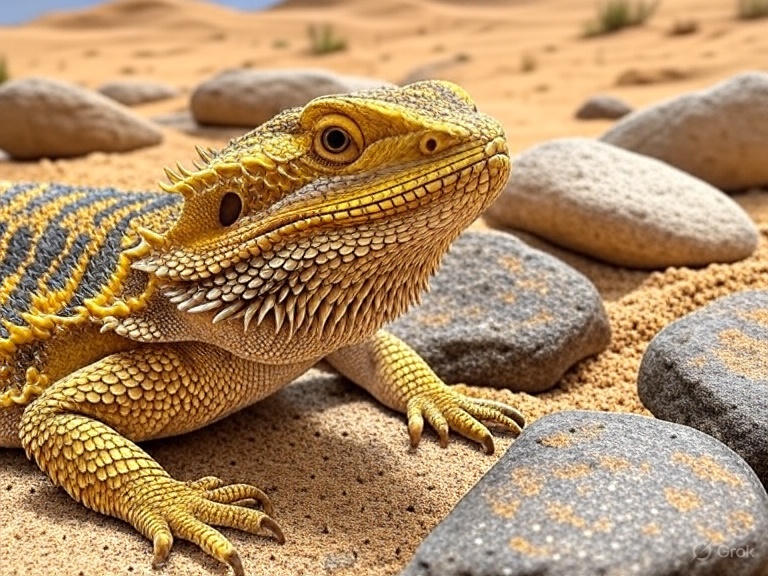
While “agamid lizard” is the scientific term, “bearded dragon” is a descriptive nickname rooted in their appearance. The “beard” refers to the spiky, expandable throat pouch (gular pouch) that bearded dragons puff up to communicate dominance, stress, or courtship. This feature, combined with their dragon-like appearance—think triangular head and spiky scales—earned them the name.
The “dragon” part also nods to their agamid cousins, like the flying dragons (Draco species), which have wing-like flaps. While bearded dragons don’t fly, their prehistoric look and calm demeanor make the name fitting. Understanding this helps owners appreciate their pet’s behaviors, like puffing their beard during a bath or when meeting a new dragon.
How Agamid Traits Affect Bearded Dragon Care
Knowing bearded dragons are agamids directly informs their care. Their arid origins mean they need a hot, dry vivarium with precise temperature gradients (90-100°F basking spot, 75-85°F cool side). Tools like the Exo Terra Digital Thermometer* help maintain these conditions, preventing stress or health issues.
Their acrodont teeth require a balanced diet to avoid dental problems. Owners often use a sturdy dish like Fluker’s Repta-Bowl* to serve a mix of insects (e.g., crickets, dubia roaches) and greens (e.g., collards, dandelion). UVB lighting, such as the Zoo Med ReptiSun UVB Bulb*, is non-negotiable for calcium absorption, reflecting their sun-loving agamid nature.
The Bearded Dragon Care Checklist is a lifesaver for new owners. Few tools offer such tailored plans, helping you schedule feeding, cleaning, and UVB exposure based on your dragon’s age—whether baby, juvenile, or adult.
Common Myths About Agamid Lizards and Bearded Dragons
Let’s bust some myths that confuse new owners about bearded dragons and their agamid identity:
- Myth: Bearded dragons can regrow their tails like other lizards.
Truth: As agamids, they lack this ability. Protect their tails from injury, as damage is permanent. - Myth: All lizards need the same care as bearded dragons.
Truth: Agamids have unique needs, like high UVB exposure, unlike geckos or skinks. Invest in quality lighting to keep them healthy. - Myth: The “beard” is just for show.
Truth: It’s a communication tool, signaling mood or health. Watch for frequent puffing, which could indicate stress.
Conclusion: Embrace Your Agamid Lizard
Bearded dragons earn their “agamid lizard” title through their place in the Agamidae family, defined by robust bodies, acrodont teeth, and a love for sun-soaked habitats. Understanding this classification helps you provide top-notch care, from setting up a proper vivarium to feeding a balanced diet. Tools like the Bearded Dragon Care Checklist make it easy to stay on top of their needs, while products like Fluker’s Repta-Bowl* and Zoo Med ReptiSun UVB Bulb* ensure their environment mimics their natural home.
Have questions about your bearded dragon’s agamid quirks? Drop a comment below or share your setup tips—I’d love to hear how you keep your dragon thriving!
BeardedBuddies.com collaborates with reptile experts to provide accurate, trustworthy care advice. This site participates in the Amazon Associates Program, earning from qualifying purchases.
About the Author
Dragon King is the founder of BeardedBuddies.com and a passionate reptile enthusiast with over seven years of experience raising bearded dragons. His beloved dragon, Blaze, once puffed his beard dramatically at a new basking lamp, teaching Dragon King the importance of gradual introductions. Collaborating with herpetologists like Dr. Stephanie Nelk, Dragon King shares practical, vetted advice to help owners worldwide create thriving habitats for their scaly companions. All advice is based on consultations with experts and standard reptile care practices.