
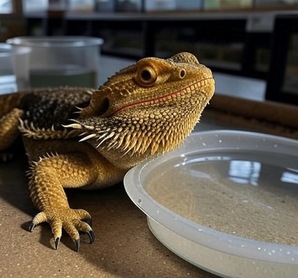
Walking into a pet store, you’re drawn to the charm of bearded dragons basking under their lights. But one catches your eye for the wrong reasons—it’s barely moving, has odd spots, or looks too thin. Your heart sinks. What can you do? As a bearded dragon lover who’s been there with my own dragon, Blaze, I know how tough this moment is. This guide covers spotting illness, taking action, contacting major pet stores, and deciding whether to rescue. We’ll also explore how to push for better care to prevent these issues. By the end, you’ll know how to help that little dragon.
Bearded dragons are resilient, but pet store conditions like cramped tanks or poor lighting can lead to health problems. From metabolic bone disease to infections, catching issues early is critical. Let’s break it down.
Recognizing Signs of a Sick Bearded Dragon
First, know what to look for. Healthy bearded dragons are alert, with clear eyes, smooth skin, and a good appetite. Sick ones show warning signs. Here’s a quick list, informed by Dr. Stephanie Nelk, a reptile veterinarian I’ve consulted:
- Lethargy: Barely moving or weak when it does.
- Physical Signs: Sunken eyes, yellow patches (possible fungal infection), or swollen limbs (hinting at bone issues).
- Breathing Issues: Wheezing, open-mouth breathing, or mucus near the nose.
- Eating/Waste Problems: No appetite, diarrhea, or no poop for days.
- Odd Behavior: Twitching, excessive hiding, or unusual aggression.
These often result from poor care, like missing UVB lights or incorrect temperatures (basking spots need 105–115°F for adults). Discreetly take photos or videos to document the tank—dirty substrate or no water can explain a lot.
I once noticed Blaze acting sluggish after a UVB bulb burned out. Switching to an Arcadia Pro T5 UVB Lighting Kit* fixed it fast. As an Amazon Associate, I earn from qualifying purchases. Spotting these signs early can save a dragon’s life.
Immediate Steps to Take
Don’t panic, but act quickly. Approach store staff calmly: “I noticed this bearded dragon looks lethargic with yellow spots—has a vet checked it?” Stay polite; many employees care but are bound by corporate rules. If the response is vague, ask for the manager.
Document everything: symptoms, tank conditions, and staff names. Photos strengthen your case if you escalate. If the store doesn’t act, contact their corporate line or local animal welfare groups like the Humane Society (1-877-847-4787) or ASPCA (1-888-426-4435). For severe neglect, like dead animals, these groups can investigate.
A friend once reported a dragon with no water dish at a store. After emailing corporate, they added a Fluker’s Repta Bowl* to every tank. Small steps can lead to real change.
Contacting Major Pet Stores: Who to Call
Major chains like PetSmart, Petco, and Pet Supermarket sell bearded dragons, but care standards differ. Below is a friendly table with key contact info and action tips, based on their policies and reported practices.
| Store | Phone | Action Tip |
|---|---|---|
| PetSmart | 1-888-839-9638 | Email via www.petsmart.com/help; cite symptoms. |
| Petco | 1-888-824-7257 | Ask about vet partnerships at www.petco.com/contact-us. |
| Pet Supermarket | 1-877-360-7387 | Call store; escalate to www.petsupermarket.com/contact-us. |
Tips:
- PetSmart: Mention their “Vet Assured” program, but note 2024 PETA reports exposed supplier issues. Email corporate if needed.
- Petco: Reference vet partnerships; they’re often responsive. Follow up via their contact form.
- Pet Supermarket: Local managers handle most complaints. Call first, then use corporate contact.
Follow up in writing. I once emailed Petco about a dragon with no UVB, and they confirmed a vet visit within days. Keep at it.
Should You Rescue the Bearded Dragon?
A sick dragon tugs at your heart, but rescuing is a big decision. If you’re experienced, you might buy it to nurse it back to health. Products like Zoo Med Repti Calcium with D3* help with bone issues, and an Exo Terra Plastic Plant* adds safe enrichment. But consider the risks:
- Health Risks: Diseases like adenovirus can spread to other reptiles.
- Cost: Vet bills can reach hundreds of dollars.
- Time: Rehabilitation takes expertise and patience.
If rescuing isn’t for you, contact a reptile rescue like the Reptile and Amphibian Rescue Network (search online). If you do rescue, quarantine the dragon and get a vet check ASAP.
Blaze was a pet store rescue with a limp from low calcium. With Zoo Med Repti Calcium* and proper UVB, he’s now a happy camper. Be sure you’re ready for the commitment.
Advocating for Better Care
Helping one dragon is awesome, but preventing future issues is even better. Choose ethical breeders or rescues over pet stores, which often use mass breeders with poor standards. Share experiences on forums like r/beardeddragons, but keep it factual to avoid legal issues. Push for better standards by writing to corporate.
Busting Myths About Pet Store Dragons
Let’s clear up some myths:
- Myth: “Pet store dragons are always healthy.” Reality: Many come from high-volume breeders with minimal checks.
- Myth: “Staff are reptile experts.” Reality: Training varies; some rely on outdated info.
- Myth: “You can’t change anything.” Reality: Reporting and supporting ethical sources make a difference.
Check here for more on spotting and fixing problems.
Conclusion
Spotting a sick bearded dragon at a pet store is tough, but you can make a difference. From recognizing symptoms to contacting PetSmart, Petco, or Pet Supermarket, your actions matter. Whether you rescue or advocate, every step helps. Seen a struggling dragon? Share your story in the comments or tell us how you’ve pushed for change. Let’s ensure happier, healthier bearded dragons.
BeardedBuddies.com collaborates with reptile experts to provide accurate, trustworthy care advice. This site participates in the Amazon Associates Program, earning from qualifying purchases.
About the Author
Dragon King, founder of BeardedBuddies.com, has spent over seven years raising bearded dragons, starting with his rescue, Blaze. Once a frail pet store dragon with a limp, Blaze bounced back with proper calcium and UVB care. A passionate reptile lover, Dragon King collaborates with herpetologists to share practical tips with dragon owners worldwide. When not perfecting tank setups, he’s connecting the community for better reptile care. All advice is based on expert consultations and standard practices.