
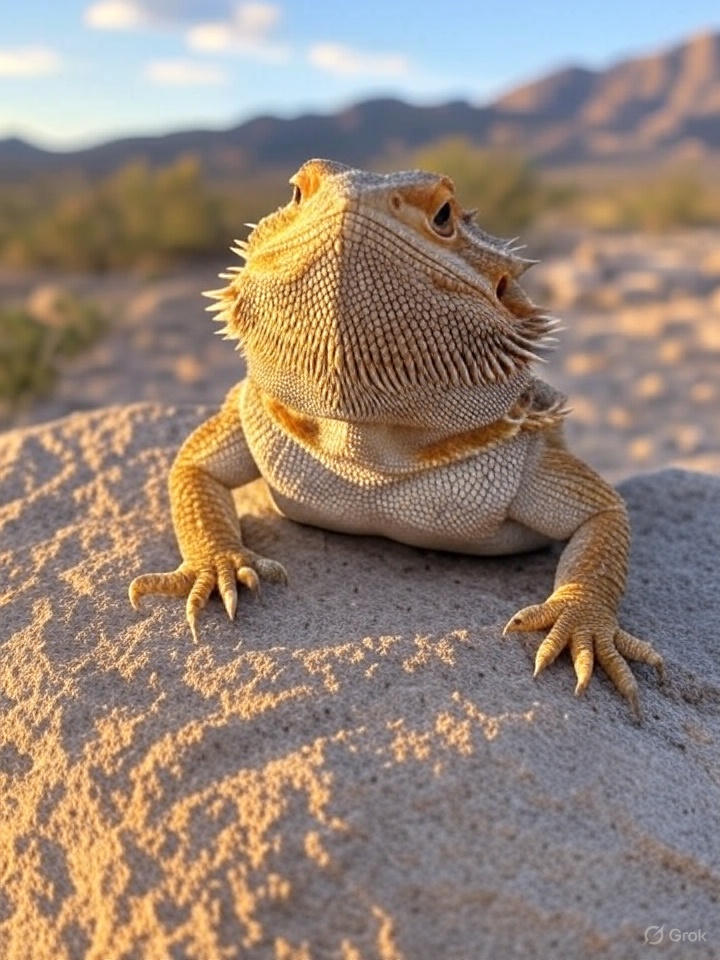
Bearded dragons, with their captivating charm and desert heritage from Australia, are popular pets whose care begins with understanding their unique traits, and their name offers a key insight. The term “bearded dragon” stems from the striking spiky “beard” under their chin, a feature tied to their appearance and behavior. Whether you’re a new owner or a seasoned enthusiast, exploring why bearded dragons are called bearded dragons deepens your bond and informs better care. Drawing from extensive reptile care expertise and historical insights, this guide uncovers the name’s origin and its care implications. Begin now to enhance your dragon’s well-being.
This article covers the physical feature, behavioral significance, historical/cultural context, care tips, and conclusion. Start today to connect with your pet’s identity.
Disclosure: This post contains affiliate links. I may earn a small commission from purchases made through these links at no additional cost to you (#CommissionsEarned).
The Physical Feature Behind the Name
The “bearded dragon” name derives from the spiky throat scales, or “beard,” which puff up and darken—often black—when threatened or stressed, serving as a defense to appear larger, per a 2023 Journal of Herpetological Medicine and Surgery study (https://doi.org/10.5818/JHMS-D-22-00035). This dragon-like trait, prominent in males during dominance or mating, is a key identifier. Recognizing this aids bearded dragon care—frequent puffing signals stress, prompting habitat adjustments for safety. Enhance your observation with care tools on Amazon (https://amzn.to/4lku8DG).
Behavioral Significance of the Beard
The beard’s role in behavior explains why bearded dragons are called bearded dragons, inflating to deter predators or rivals and darkening during courtship, with males bobbing heads to attract females, per the Reptile Centre (https://www.reptilecentre.com). This communication reflects their social instincts, crucial for care—persistent puffing may need more space or quieter settings. Understanding this strengthens your bond. Enhance your setup with habitat enhancements on Amazon (https://amzn.to/4lku8DG).
Historical and Cultural Context
The “bearded dragon” name traces to their Australian desert and woodland habitats, possibly observed by Indigenous cultures, though records are sparse. Their pet popularity surged since the 1960s, with wild export bans in Australia driving breeding programs globally, per National Geographic (https://www.nationalgeographic.com/animals/reptiles/facts/bearded-dragon). This history enriches bearded dragon care, aligning it with their natural behaviors and cultural role as companions.
Care Tips Related to Their Name
Bearded dragon care tied to their name involves stress management—ensure a spacious enclosure (at least 75 gallons for adults) to reduce beard puffing, maintain 75–80°F night and 95–100°F day temperatures, and add hides for security, per veterinary guidelines (https://arav.site-ym.com/page/ReptileCareResources/). A balanced diet of insects and vegetables minimizes stress-related displays, with gentle handling fostering trust. Enhance your care with enclosure supplies on Amazon (https://amzn.to/4lku8DG).
Conclusion: Connect Through Their Name
Why bearded dragons are called bearded dragons reflects their spiky beard, a defense and courtship tool, rooted in their Australian origins and cultural rise as pets. This understanding enhances bearded dragon care, deepening your bond by addressing their needs. Start observing your dragon’s beard today—click here to explore our blog for more care insights and join a community of owners. Join the reptile care community to share experiences and refine your approach. Ensure your dragon thrives with care tools, habitat enhancements, and enclosure supplies on Amazon (https://amzn.to/4lku8DG). Share your beard observations in the comments and consult a veterinarian for tailored advice to keep your beardie flourishing.