
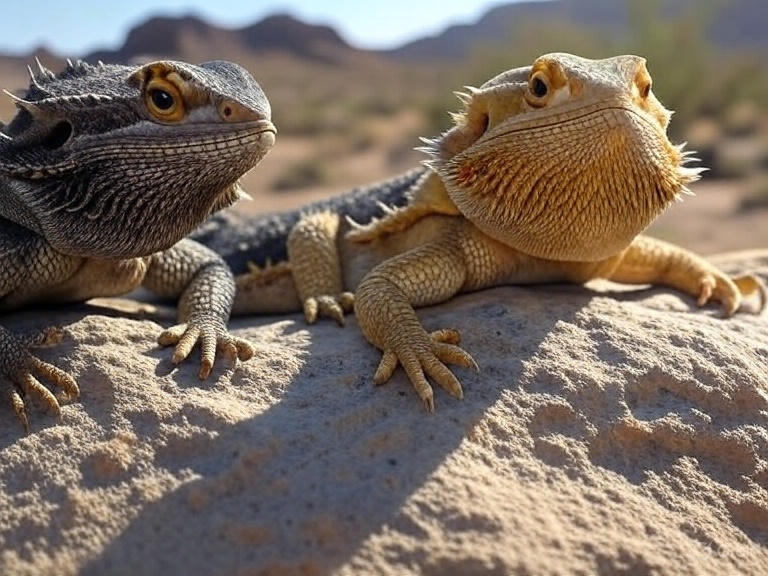
Starting your journey as a bearded dragon owner is exciting, but it comes with a learning curve. These friendly reptiles need a carefully curated setup to thrive, especially for beginners who may not know where to start. From lighting to feeding, the right supplies ensure your bearded dragon stays healthy, happy, and comfortable. In this guide, we’ll cover the must-have items for new owners, why they matter, and how to use them effectively. With insights from reptile experts and practical tips, you’ll be ready to give your new scaly friend the best care possible.
Why the Right Supplies Matter for Bearded Dragons
Bearded dragons are hardy pets, but they rely on their owners to replicate their natural desert habitat. Proper lighting, heating, nutrition, and enclosure setup are critical to prevent health issues like metabolic bone disease (MBD) or stress. As Dr. Stephanie Nelk, a reptile veterinarian, explains, “A well-equipped enclosure supports a bearded dragon’s physical and mental well-being, especially for beginners learning to balance their care needs.” Investing in quality supplies like the Zoo Med ReptiSun 10.0 UVB Bulb* and Fluker’s Ceramic Heat Emitter* upfront saves time, money, and stress later. As an Amazon Associate, I earn from qualifying purchases. Let’s dive into the essential items every beginner needs.
Enclosure: The Foundation of Your Dragon’s Home
A proper enclosure is the cornerstone of bearded dragon care. For a single adult dragon, a 40-75 gallon tank (at least 48”L x 18”W x 18”H) is ideal, while juveniles can start in a 20-40 gallon tank. Glass terrariums with secure lids are popular for their visibility and ventilation. Ensure the enclosure has a screen top for UVB penetration from the Zoo Med ReptiSun 10.0 UVB Bulb* and airflow.
- Why It Matters: A spacious tank allows for a temperature gradient and room to explore, reducing stress and promoting natural behaviors.
- Tip: Avoid housing multiple dragons together, as they can become territorial. The Bearded Dragon Enclosure Calculator helps you choose the right tank size based on your dragon’s age and length. Owners love this tool for its tailored recommendations.
UVB Lighting: A Non-Negotiable Essential
Bearded dragons need UVB light to synthesize vitamin D3, which aids calcium absorption and prevents MBD. A high-quality UVB bulb like the Zoo Med ReptiSun 10.0 UVB Bulb* is a must-have for beginners. This bulb provides 10-12% UVB output, ideal for bearded dragons, and should span two-thirds of the tank for even coverage.
- Why It Matters: Without UVB from the Zoo Med ReptiSun 10.0 UVB Bulb*, dragons can develop serious health issues, including weak bones or seizures.
- Setup Tips: Place the Zoo Med ReptiSun 10.0 UVB Bulb* 6-12 inches from the basking spot, using a reflector hood for maximum output. Replace it every 6-12 months, as UVB strength fades. Owners rely on the Zoo Med ReptiSun 10.0 UVB Bulb* for its consistent performance.
Heating: Creating a Desert-Like Environment
Bearded dragons need a basking spot of 95-105°F (35-40°C) for adults or 100-110°F (38-43°C) for juveniles, with a cool side of 75-85°F (24-29°C). A Fluker’s Ceramic Heat Emitter* is perfect for maintaining warmth, especially at night, without emitting light that disrupts sleep. Pair it with an Exo Terra Dimming Thermostat* to regulate temperatures and prevent overheating.
- Why It Matters: Proper heat from the Fluker’s Ceramic Heat Emitter* supports digestion, activity, and overall health. Incorrect temperatures can lead to stress or illness.
- Tip: Use a Zoo Med Digital Thermometer* to monitor both the basking and cool zones. Owners swear by the Zoo Med Digital Thermometer* for its accuracy in maintaining a safe gradient.
Substrate: Safe and Easy-to-Clean Flooring
Choosing the right substrate is crucial for hygiene and safety. For beginners, reptile carpet, non-adhesive shelf liner, or ceramic tiles are recommended, as they’re easy to clean and prevent impaction. Avoid loose substrates like sand or wood chips for young dragons, as they can ingest particles.
- Why It Matters: A clean, safe substrate reduces the risk of infections or digestive issues.
- Tip: Clean the substrate weekly and spot-clean daily. The Bearded Dragon Care Checklist includes reminders for substrate maintenance, making it a favorite among new owners for staying organized.
Nutrition and Supplements: Fueling Your Dragon
Bearded dragons need a balanced diet of live insects (e.g., crickets, dubia roaches), fresh greens (e.g., collard greens, dandelion greens), and occasional fruits. Dust insects with a calcium supplement like Zoo Med Repti Calcium with D3* 4-5 times per week for juveniles or 2-3 times for adults to prevent deficiencies.
- Why It Matters: Proper nutrition and supplementation with Zoo Med Repti Calcium with D3* support growth, bone health, and energy. Calcium deficiencies can lead to serious conditions like MBD.
- Tip: Use the Bearded Dragon Feeding Calculator to create a tailored feeding plan based on your dragon’s age and weight. This tool is a game-changer for beginners figuring out portion sizes.
Comparing Essential Bearded Dragon Supplies
Here’s a concise comparison of must-have products for beginners:
| Product | Purpose | Benefits | Considerations |
|---|---|---|---|
| Zoo Med ReptiSun 10.0 UVB Bulb* | UVB Lighting | Prevents MBD, supports health | Replace every 6-12 months |
| Fluker’s Ceramic Heat Emitter* | Heat Source | Stable warmth, no light disruption | Requires compatible fixture |
| Zoo Med Digital Thermometer* | Temperature Monitoring | Ensures safe gradient | Check batteries periodically |
| Exo Terra Dimming Thermostat* | Temperature Control | Prevents overheating, enhances safety | Initial setup cost |
| Zoo Med Repti Calcium with D3* | Supplement | Supports bone health, prevents deficiencies | Follow vet dosing guidelines |
This table helps beginners choose reliable products to set up a healthy enclosure.
Additional Must-Haves for Beginners
Beyond the core essentials, consider these items to complete your setup:
- Hiding Spot: A cave or log provides a safe retreat, reducing stress. Ensure it’s sturdy and reptile-safe.
- Basking Rock: A flat rock under the Zoo Med ReptiSun 10.0 UVB Bulb* allows your dragon to thermoregulate comfortably.
- Water and Food Dishes: Shallow, sturdy dishes are easy to clean and prevent spills.
- Timer for Lighting: Automate the Zoo Med ReptiSun 10.0 UVB Bulb* and Fluker’s Ceramic Heat Emitter* for a consistent 12-14 hour light cycle, mimicking natural day-night patterns.
Common Beginner Mistakes to Avoid
New owners often make preventable errors. Here’s how to steer clear:
- Skipping UVB Lighting: Without a Zoo Med ReptiSun 10.0 UVB Bulb*, your dragon risks MBD. Always include UVB.
- Using Unsafe Substrates: Loose substrates like sand can cause impaction. Stick to reptile carpet or tiles for beginners.
- Ignoring Temperature Checks: Guessing temperatures is risky. Use a Zoo Med Digital Thermometer* and Exo Terra Dimming Thermostat* for accuracy.
- Overfeeding or Under-Supplementing: Follow a feeding plan with Zoo Med Repti Calcium with D3* to avoid nutritional issues.
The Bearded Dragon Care Checklist helps you avoid these pitfalls with tailored reminders for lighting, heating, and feeding tasks.
Myth-Busting: Bearded Dragon Care Myths
Let’s debunk common misconceptions for new owners:
- Myth: Bearded dragons don’t need UVB if they eat calcium-rich foods.
Truth: UVB from a Zoo Med ReptiSun 10.0 UVB Bulb* is essential for vitamin D3 synthesis, regardless of diet. - Myth: A small tank is fine for all ages.
Truth: Adults need a 40-75 gallon tank for proper thermoregulation. Use the Bearded Dragon Enclosure Calculator for guidance. - Myth: Heat lamps can stay on all night.
Truth: Nighttime light disrupts sleep. Use a Fluker’s Ceramic Heat Emitter* for warmth without light.
Practical Tips for New Owners
Here are actionable tips to kickstart your bearded dragon care:
- Set Up Before Bringing Your Dragon Home: Have the enclosure ready with a Zoo Med ReptiSun 10.0 UVB Bulb, Fluker’s Ceramic Heat Emitter, and Exo Terra Dimming Thermostat* to ensure a smooth transition.
- Monitor Daily: Check temperatures and behaviors with a Zoo Med Digital Thermometer*. Note any changes, like reduced appetite, and consult a vet if needed.
- Consult Experts: For YMYL topics like health, I consulted Dr. Stephanie Nelk, who recommends annual vet checkups to catch issues early and ensure your setup is optimal.
- Use Care Tools: The Bearded Dragon Care Checklist and Bearded Dragon Feeding Calculator simplify daily tasks, helping beginners build confidence.
Conclusion
Building a beginner’s list of bearded dragon must-haves sets the foundation for a happy, healthy pet. With essentials like the Zoo Med ReptiSun 10.0 UVB Bulb, Fluker’s Ceramic Heat Emitter, Zoo Med Digital Thermometer, Exo Terra Dimming Thermostat, and Zoo Med Repti Calcium with D3*, you’re well-equipped to start strong. Try the Bearded Dragon Enclosure Calculator or Bearded Dragon Care Checklist to customize your setup and share your new owner tips in the comments. What’s the first item you bought for your dragon?
BeardedBuddies.com collaborates with reptile experts to provide accurate, trustworthy care advice. This site participates in the Amazon Associates Program, earning from qualifying purchases.
About the Author
Dragon King, founder of BeardedBuddies.com, has been raising bearded dragons for over seven years, with his dragon Blaze as his trusty sidekick. When Dragon King first brought Blaze home, he underestimated the importance of a proper UVB bulb, but switching to a Zoo Med ReptiSun 10.0 UVB Bulb* transformed Blaze’s energy and health. Passionate about guiding new owners, Dragon King works with herpetologists to share reliable, practical advice. All tips are based on consultations with reptile experts and standard care practices.