
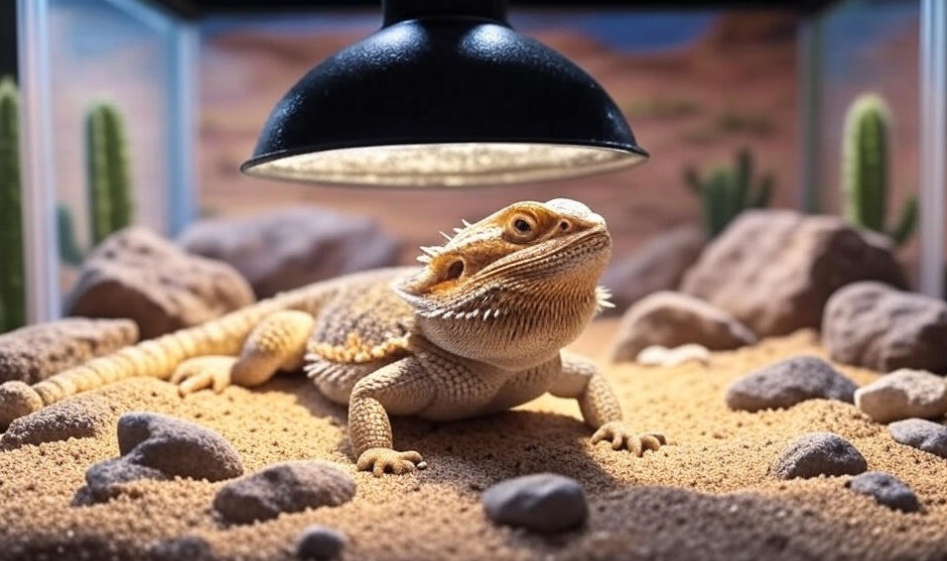
Bearded dragons, with their captivating charm and desert heritage from Australia, delight owners with unique behaviors, and understanding what bearded dragon foot stomping means enhances bearded dragon care and strengthens your bond. Often paired with head bobbing, this foot-lifting action signals dominance or mating interest, especially in males, offering insights into their needs. Whether you’re new to ownership or a seasoned enthusiast, decoding this behavior improves their environment and well-being. Drawing from extensive reptile care expertise and community insights, this guide explores its significance and provides practical responses. Begin now to connect more deeply with your dragon.
This article covers understanding the behavior, dominance signals, mating season context, response strategies, and conclusion. Start today to support your dragon’s instincts.
Disclosure: This post contains affiliate links. I may earn a small commission from purchases made through these links at no additional cost to you (#CommissionsEarned).
Understanding Bearded Dragon Behavior
Bearded dragon foot stomping, often with rapid head bobbing, is a communicative behavior, prevalent in males to assert dominance or attract mates, per Wildlife Informer (https://wildlifeinformer.com/bearded-dragon-behaviors/). Rooted in their wild ancestry for hierarchy establishment, it occurs with other dragons or territorially in captivity. This instinctual display, reflecting their social nature, aids in creating a stress-free environment when understood, strengthening your bond by reading their body language.
When Foot Stomping Signals Dominance
Foot stomping in bearded dragons typically signals dominance, especially in males, paired with head bobbing to assert control over other dragons or their space, noted in a Bearded Dragon Forum thread (https://www.beardeddragon.org/threads/what-is-a-foot-stomp-lol.97292/). Common during mating season, it’s a natural hierarchy display, not aggression, though excessive pacing or eating refusal with it may suggest stress. Ensure 40-gallon minimum space per adult to reduce tension, monitoring for health issues with a vet if persistent.
Foot Stomping During Mating Season
During mating season, bearded dragon foot stomping shifts to courtship, with males stomping and bobbing to impress females, often in spring as temperatures rise, per another Bearded Dragon Forum post (https://www.beardeddragon.org/threads/foot-stomping.241391/). Females may wave arms in response, signaling receptivity. Support this with proper lighting (12–14 hours UVB) and temperature (95–105°F warm), avoiding new dragon introductions to minimize stress, per a 2023 Journal of Herpetological Medicine and Surgery study (https://doi.org/10.5818/JHMS-D-22-00035). Enhance your setup with lighting on Amazon (https://amzn.to/4lku8DG).
How to Respond to Foot Stomping
Respond to bearded dragon foot stomping by observing context—if confident with head bobbing, it’s likely dominance or mating, needing no action beyond ensuring a spacious enclosure with hides to ease territorial stress, per veterinary guidelines (https://arav.site-ym.com/page/ReptileCareResources). If excessive with lethargy or appetite loss, check tank conditions (75–85°F cool, 95–105°F warm) and consult a vet for potential health issues like MBD. Build trust with soft talking and gradual handling, reducing distress. Enhance your care with thermometers on Amazon (https://amzn.to/4lku8DG).
Conclusion: Embrace Foot Stomping for Better Care
What bearded dragon foot stomping means—dominance or mating interest—enhances bearded dragon care, deepening your connection by addressing their instincts. Observe context, maintain a supportive habitat, and seek vet help for unusual signs to ensure their health. Start assessing your dragon’s stomping today—click here to explore our blog for more behavior insights and join a community of owners. Join the reptile care community to share tips and refine your approach. Ensure your dragon thrives with lighting and thermometers on Amazon (https://amzn.to/4lku8DG). Share your stomping observations in the comments and consult a veterinarian for tailored advice to keep your beardie flourishing.