
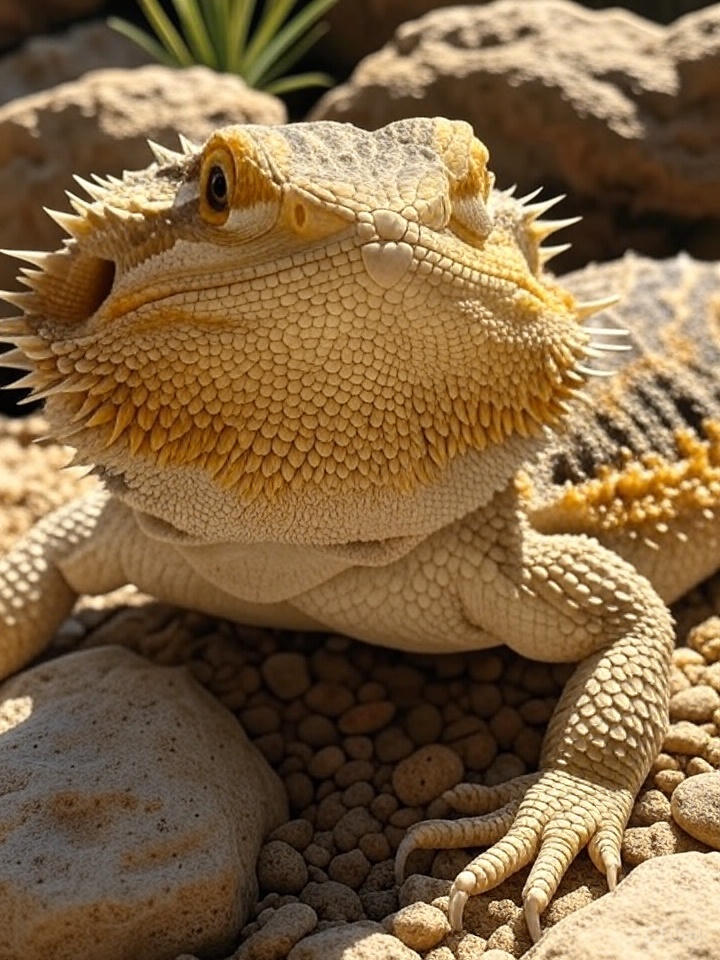
Bearded dragons make incredible pets, but their diet needs careful attention to keep them thriving. While fruits can be a tasty treat, not all are safe. Some are downright toxic and can lead to serious health issues, from tummy troubles to life-threatening conditions. In this guide, we’ll explore which fruits to avoid, why they’re harmful, signs of toxicity, and safe alternatives to keep your dragon’s diet balanced. Whether you’re new to bearded dragon care or just double-checking, understanding fruit safety is key to a happy, healthy pet.
Why Fruit Safety Matters for Bearded Dragons
Fruits should only be a small part of a bearded dragon’s diet—about 10-20% for adults and even less for juveniles, who need more protein. Fruits are high in sugar, which can cause obesity or dental problems if overfed. More importantly, some fruits contain compounds that are toxic or disrupt nutrient absorption, leading to bearded dragon diet risks like digestive issues or metabolic bone disease.
The goal is to offer treats that complement a diet rich in greens and insects. To plan meals effectively, try the Bearded Dragon Feeding Calculator from Bearded Buddies, which helps tailor portions to your dragon’s age and size.
Fruits to Avoid: The Toxic List
Certain fruits are dangerous for bearded dragons due to toxins, acidity, or compounds that interfere with health. Here’s a breakdown of the ones to skip.
Avocado
Avocado is a big no-no. It contains persin, a toxin that can cause severe problems like heart damage, respiratory distress, or even death in reptiles. Even a tiny bite can lead to vomiting or diarrhea. Keep avocados far from your dragon’s enclosure—no sharing your toast!
Citrus Fruits (Oranges, Lemons, Limes, Grapefruit)
Citrus fruits are too acidic for bearded dragons. Their high citric acid content can irritate the stomach, cause mouth sores, or disrupt gut pH, leading to dehydration or poor calcium absorption. Steer clear of oranges, lemons, limes, and grapefruits entirely.
Pineapples
Pineapples, while juicy, are problematic due to their acidity and bromelain enzyme. These can cause bloating, diarrhea, or gastrointestinal irritation. Feeding pineapples regularly could lead to chronic digestive issues, so it’s best to avoid them.
Tomatoes
Though technically a fruit, tomatoes are risky due to their acidity and solanine content (especially in green parts), which is toxic. They can upset your dragon’s stomach and, over time, contribute to issues like gout from excess uric acid. Save tomatoes for your own meals.
Fruits to Limit
Some fruits aren’t strictly toxic but should be limited. Grapes, for example, are high in sugar and oxalates, which might strain kidneys if fed often. Rhubarb, though rare, has oxalic acid that binds calcium, risking kidney damage—avoid it completely.
To support your dragon’s health, especially when avoiding risky foods, dust their meals with Zoo Med Repti Calcium with D3* to ensure strong bones and proper nutrition.
Recognizing Signs of Toxicity
If your bearded dragon accidentally eats a toxic fruit, watch for warning signs. Early symptoms include lethargy, refusing food, or loose stools. Severe cases might show vomiting, swelling, trouble breathing, or seizures—rush to a vet if these appear. To prevent mishaps, store fruits securely and check salads carefully before serving.
For a complete health guide, the Bearded Dragon Care Checklist is a great resource to monitor your dragon’s diet and well-being.
Safe Fruit Alternatives
Thankfully, there are plenty of safe fruits to offer as occasional treats. Here are some top picks:
- Apples (peeled, no seeds): Low in acid, good source of fiber.
- Blueberries: Packed with antioxidants, but high in sugar—limit to once a week.
- Strawberries: Offer vitamin C, chop into small pieces.
- Mango: Sweet and safe, just remove the pit.
- Papaya: Supports digestion with natural enzymes.
These fruits add variety without the risks. Enhance their nutritional value by dusting with Exo Terra Multi Vitamin Powder Supplement* a couple of times a week.
Toxic vs. Safe Fruits: A Quick Comparison
To help you choose wisely, here’s a table comparing toxic fruits, their risks, and safe alternatives.
| Fruit | Why It’s Harmful | Safe Alternative |
|---|---|---|
| Avocado | Persin toxin; heart/respiratory failure | Blueberries |
| Oranges/Lemons | High acidity; digestive irritation | Apples (peeled) |
| Pineapples | Acidic, bromelain causes GI upset | Papaya |
| Tomatoes | Acidity and solanine toxicity | Strawberries |
| Grapes | High sugar/oxalates; kidney strain | Mango |
This table makes it easy to avoid toxic fruits for bearded dragons while keeping their diet exciting.
If fresh produce is hard to come by, consider Zilla Reptile Munchies Vegetable Mix* as a safe, fruit-free backup—just rehydrate before serving.
How to Feed Fruits Safely
Keep your dragon’s diet safe with these practical tips:
- Limit Portions: Fruits should be 5-10% of the diet. Offer small, bite-sized pieces to avoid choking.
- Prep Properly: Wash fruits thoroughly, remove pits, seeds, or tough skins, and choose organic when possible to avoid pesticides.
- Rotate Foods: Mix safe fruits with greens and insects for a balanced diet.
- Use a Clean Dish: Serve fruits in a sturdy Fluker’s Repta-Bowl (Medium)* to keep meals hygienic.
- Supplement: Add vitamins to fruits and greens to cover nutritional gaps.
Pair fruits with a staple like Tetrafauna ReptoMin Floating Food Sticks* for a well-rounded diet.
Busting Fruit Myths for Bearded Dragons
Let’s clear up some common misconceptions about feeding fruits:
- Myth: All fruits are safe treats.
- Fact: Many are too sugary, acidic, or toxic, causing health issues like obesity or digestive upset.
- Myth: A small bit of citrus is fine.
- Fact: Even tiny amounts can irritate your dragon’s stomach over time.
- Myth: Store-bought fruits are always safe.
- Fact: Pesticides or improper storage can make even “safe” fruits risky—wash thoroughly.
Staying informed helps you avoid bearded dragon diet risks and keep your pet healthy.
Conclusion
Avoiding toxic fruits like avocado, citrus, pineapples, and tomatoes is crucial for your bearded dragon’s health. By sticking to safe options like apples, blueberries, and mango, and using tools like the Bearded Dragon Feeding Calculator, you can create a diet that keeps your dragon vibrant. Have a tip for introducing safe fruits or a story about a picky eater? Share it in the comments below—let’s keep our dragons thriving!
About the Author
Dragon King, founder of BeardedBuddies.com, has spent over seven years raising bearded dragons, including his spirited companion, Blaze. His mission is to empower owners with practical, vet-backed advice. One day, when a stray orange slice nearly made it into Blaze’s dish, Dragon King learned the importance of double-checking every meal. With insights from herpetologists, he shares tips to make bearded dragon care simple and rewarding.
* This site participates in the Amazon Associates Program, earning from qualifying purchases.