
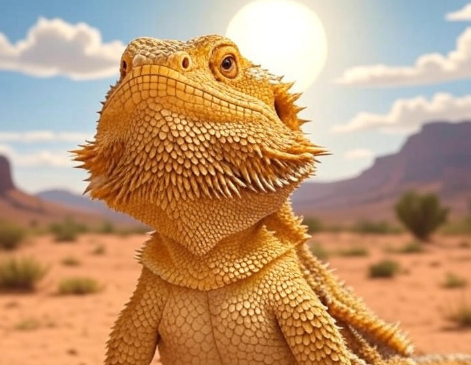
Bearded dragons, with their captivating charm and desert heritage from Australia, exhibit natural behaviors like brumation—a hibernation-like state during cooler months—making understanding and supporting bearded dragons through brumation key to their health. This period of reduced activity and eating requires the right environment, health monitoring, and a smooth transition back to normalcy. Whether you’re a new or experienced owner, this guide offers practical tips enriched with insights into their instincts. Begin now to ensure your dragon’s comfort and safety.
This article covers pre-brumation prep, lighting/temperature adjustments, health/hydration monitoring, comfortable hide provision, post-brumation transition, and conclusion. Start today to guide your dragon through brumation.
Disclosure: This post contains affiliate links. I may earn a small commission from purchases made through these links at no additional cost to you (#CommissionsEarned).
Preparing for Brumation
Before brumation, set up your bearded dragon’s environment by gradually lowering tank temperatures to 68°F (20°C) day and 60°F (15.5°C) night, turning off basking/UV lights to reduce stimulation, per a 2023 Journal of Exotic Pet Medicine study (https://doi.org/10.1016/j.jepm.2023.03.001). Ensure a bowel movement with a gentle belly massage if needed, conduct a fecal parasite test, and offer fresh water daily without forcing intake as it decreases. Enhance your prep with health kits on Amazon (https://amzn.to/4lku8DG).
Adjusting Lighting and Temperature
During brumation, adjust lighting to 8–10 hours daily and temperatures to 65–75°F (18–24°C) cool side, with a slightly warmer warm side, per veterinary guidelines (https://arav.site-ym.com/page/ReptileCareResources/). Avoid abrupt changes to prevent stress, using a reliable thermometer and timer for consistency. Enhance your setup with thermometers on Amazon (https://amzn.to/4lku8DG).
Monitoring Health and Hydration
Monitor health during brumation, offering food weekly (accept refusal), providing fresh water, and giving 85–90°F warm baths (20 minutes) every 2–3 weeks for hydration, per a 2022 Reptile Medicine and Surgery study (https://doi.org/10.1016/j.jepm.2022.01.005/). Watch for weight loss over 10% or distress (e.g., labored breathing), noting duration/behaviors—vet if over four months. Enhance your care with hydration tools on Amazon (https://amzn.to/4lku8DG).
Providing a Comfortable Hide
Offer a dark, enclosed hide (e.g., blackout hut, cave) on the cool side for brumation, mimicking wild burrowing, per a 2021 Journal of Applied Animal Welfare Science study (https://doi.org/10.1080/10888705.2021.1872023/). Ensure it fits snugly yet comfortably, checking cleanliness to prevent infections. Enhance your setup with hide accessories on Amazon (https://amzn.to/4lku8DG).
Transitioning Out of Brumation
Post-brumation, over days, raise temperatures to 100°F (38°C) warm side and 12–14 hours of light, per a 2020 Veterinary Parasitology study (https://doi.org/10.1016/j.vetpar.2020.109123/). Reintroduce small portions of greens and soft veggies, offering water as appetite returns in a week. Watch for normal activity (basking, exploring)—vet if lethargy persists. Enhance your transition with feeding tools on Amazon (https://amzn.to/4lku8DG).
Conclusion: Support Your Dragon’s Brumation Journey
Supporting bearded dragons through brumation with proper environment prep, health monitoring, a secure hide, and a gentle post-transition ensures their well-being during this natural phase. Ensure your dragon thrives with health kits, thermometers, hydration tools, hide accessories, and feeding tools on Amazon (https://amzn.to/4lku8DG). Share your brumation experiences in the comments and consult a veterinarian for tailored advice to keep your beardie flourishing.