
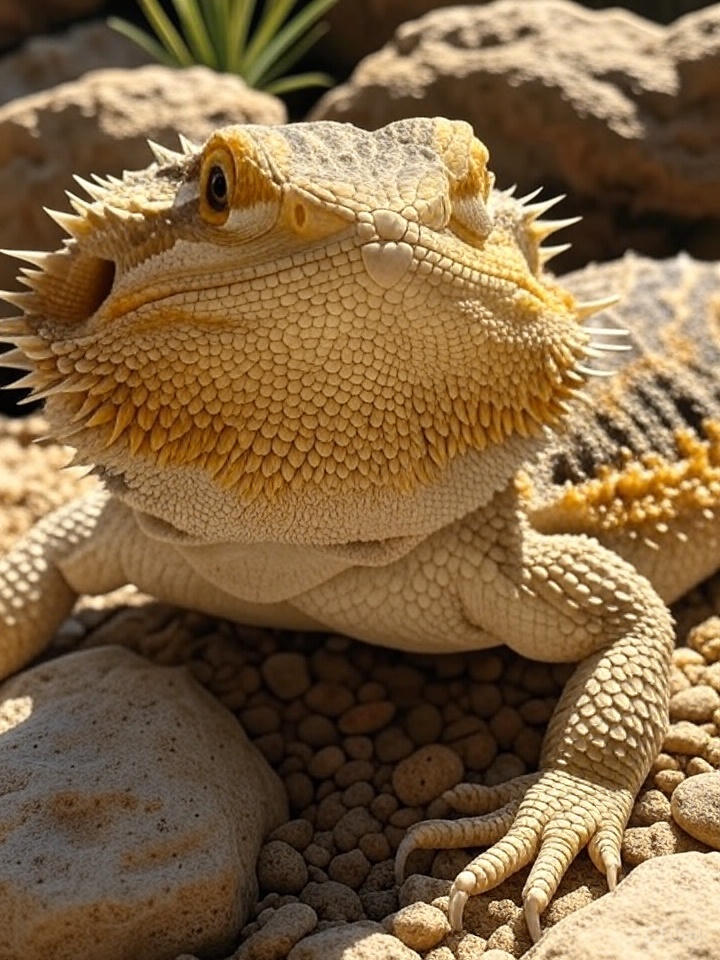
Bearded dragons typically enter their senior years around 7-10 years old, and recognizing the signs of aging is crucial for adapting their care to ensure comfort and health. Aging dragons may experience physical and behavioral changes that require adjustments in diet, environment, and veterinary attention. This guide will help you identify the key signs of aging in bearded dragons, understand their implications, and provide practical tips to support your senior pet. Whether your dragon is slowing down or still basking with vigor, these insights will help you keep them thriving in their golden years.
Why Recognizing Aging Signs Matters
Aging in bearded dragons brings changes like slower metabolism, reduced mobility, and increased susceptibility to health issues. Identifying these signs early allows you to tailor their care, preventing discomfort and enhancing their quality of life. Dr. Michael Reed, a reptile veterinarian, notes, “Senior bearded dragons need proactive care adjustments to address age-related changes, ensuring they remain healthy and comfortable.” By understanding these signs, you’ll be better equipped to support your dragon’s well-being as they age.
Common Signs of Aging in Bearded Dragons
Recognizing aging requires observing both physical and behavioral changes. Here are the key signs to watch for:
- Reduced Mobility: Slower movements, reluctance to climb, or limping may indicate joint stiffness or arthritis, common in dragons over 7 years.
- Decreased Appetite: Eating less or preferring softer foods can signal a slower metabolism or dental issues. Seniors may refuse insects or hard greens.
- Lethargy: Less basking, increased time hiding in spots like an Exo Terra Cocount Cave, or reduced activity suggests lower energy levels.
- Weight Changes: Weight loss (from poor appetite) or gain (from overfeeding) can occur. Monitor body condition for a plump but not obese tail base.
- Skin and Shedding Changes: Dull skin, slower shedding, or retained shed may indicate reduced skin elasticity or hydration issues.
- Eye or Vision Issues: Cloudy eyes or difficulty targeting food can point to age-related vision decline or cataracts.
If you notice these signs, consult a reptile veterinarian to rule out underlying health issues like metabolic bone disease or organ decline.
Causes and Implications of Aging Signs
Aging signs stem from natural physiological changes and environmental factors:
| Sign | Possible Cause | Implication | Recommended Product/Tool |
|---|---|---|---|
| Reduced Mobility | Arthritis, joint stiffness | Pain, limited activity | Exo Terra Cocount Cave for rest |
| Decreased Appetite | Slower metabolism, dental issues | Malnutrition risk | Fluker’s Repti Boost, Exo Terra Feeding Dish |
| Lethargy | Lower energy, organ slowdown | Reduced quality of life | Fluker’s Digital Thermometer/Hygrometer |
| Skin Changes | Reduced elasticity, dehydration | Shedding issues | Exo Terra Water Dish |
| Vision Issues | Cataracts, eye degeneration | Difficulty feeding | Zoo Med ReptiSun UVB Bulb |
As an Amazon Associate, I earn from qualifying purchases. Tools like the Exo Terra Feeding Dish make it easier to offer soft foods for aging dragons.
1. Physiological Changes
- Slower Metabolism: Seniors process food more slowly, requiring fewer calories but consistent nutrients.
- Joint and Muscle Decline: Aging joints cause stiffness, reducing climbing or movement.
- Organ Function: Kidneys and liver may slow, increasing susceptibility to illness.
2. Environmental Factors
- Inadequate UVB: Insufficient UVB exposure weakens bones and energy levels. A Zoo Med ReptiSun UVB Bulb is vital for seniors.
- Improper Temperatures: Basking spots above 100°F can stress seniors. Monitor with a Fluker’s Digital Thermometer/Hygrometer.
- Lack of Comfort: Without cozy hides like an Exo Terra Cocount Cave, seniors may feel exposed, increasing lethargy.
How to Support an Aging Bearded Dragon
Once you recognize aging signs, adjust care to improve their comfort:
- Consult a Reptile Veterinarian:
- Schedule regular checkups (every 6-12 months) to monitor for arthritis, organ issues, or dental problems. A vet can recommend treatments like anti-inflammatories or dietary changes.
- Address vision or shedding issues promptly to prevent complications.
- Adjust Diet and Feeding:
- Offer soft, nutrient-rich foods (e.g., mashed squash, collard greens) in an Exo Terra Feeding Dish to accommodate dental issues or reduced chewing ability.
- Use Fluker’s Repti Boost for seniors with low appetite to boost nutrition. Owners love this supplement for supporting aging dragons.
- Dust food with calcium 2-3 times weekly and multivitamins 1-2 times weekly to prevent deficiencies.
- Optimize Tank Conditions:
- Maintain a basking spot of 95-100°F (lower than for younger dragons) and a cool side of 75-80°F, checked with a Fluker’s Digital Thermometer/Hygrometer.
- Ensure a 12-hour light cycle with a Zoo Med ReptiSun UVB Bulb to support bone health and energy.
- Provide an Exo Terra Cocount Cave for easy-access rest, reducing joint strain.
- Enhance Comfort and Accessibility:
- Add ramps or low platforms to minimize climbing for dragons with mobility issues.
- Offer weekly soaks in shallow water to aid hydration and shedding, using a clean container or an Exo Terra Water Dish (from a prior request).
- Handle gently and sparingly to avoid stressing aging joints.
- Monitor Health Closely:
- Track weight, appetite, and activity weekly to catch changes early. A sudden drop in weight or refusal to eat warrants a vet visit.
- Watch for signs of pain (e.g., hunched posture) or infection (e.g., respiratory issues), which are more common in seniors.
The Bearded Dragon Care Checklist is a fantastic tool for tracking senior-specific tasks like feeding and vet visits, ensuring your dragon’s needs are met. The Bearded Dragon Feeding Calculator helps tailor diets to your aging dragon’s requirements, making care adjustments seamless.
Common Mistakes to Avoid
Avoid these pitfalls to support your senior dragon:
- Ignoring Signs: Dismissing lethargy or appetite changes as “normal aging” can miss treatable conditions. Consult a vet.
- Overfeeding: Excessive insects can lead to obesity. Use an Exo Terra Feeding Dish for portion control.
- Inadequate UVB: Old or low-quality UVB bulbs weaken seniors. Replace the Zoo Med ReptiSun UVB Bulb every 6-12 months.
- High Temperatures: Basking spots above 100°F stress seniors. Monitor with a Fluker’s Digital Thermometer/Hygrometer.
Myths About Aging in Bearded Dragons
Let’s debunk some misconceptions:
- Myth: “Aging dragons don’t need UVB.” Fact: Seniors require a Zoo Med ReptiSun UVB Bulb to prevent bone issues.
- Myth: “Lethargy is always normal in old dragons.” Fact: It may signal health issues needing veterinary attention.
- Myth: “Seniors don’t need hides.” Fact: An Exo Terra Cocount Cave reduces stress and supports rest.
Conclusion
Recognizing signs of aging in bearded dragons—like reduced mobility, decreased appetite, or lethargy—allows you to adapt their care for a comfortable, healthy life. By providing a cozy Exo Terra Cocount Cave, supporting nutrition with Fluker’s Repti Boost, and monitoring conditions with a Fluker’s Digital Thermometer/Hygrometer, you’ll keep your senior dragon thriving. Tools like the Bearded Dragon Care Checklist and Bearded Dragon Feeding Calculator simplify senior care. How’s your senior dragon doing? Share your observations or ask for tips in the comments!
About the Author
I’m Dragon King, founder of BeardedBuddies.com and a reptile enthusiast with over seven years raising bearded dragons. My senior dragon, Blaze, started slowing down at 8 years old, but a tailored diet with Fluker’s Repti Boost and a cozy Exo Terra Cocount Cave kept him comfortable. I collaborate with reptile experts to share practical, trustworthy advice for dragon owners worldwide. All my tips are based on consultations with herpetologists and standard care practices.
BeardedBuddies.com collaborates with reptile experts to provide accurate, trustworthy care advice. This site participates in the Amazon Associates Program, earning from qualifying purchases.