
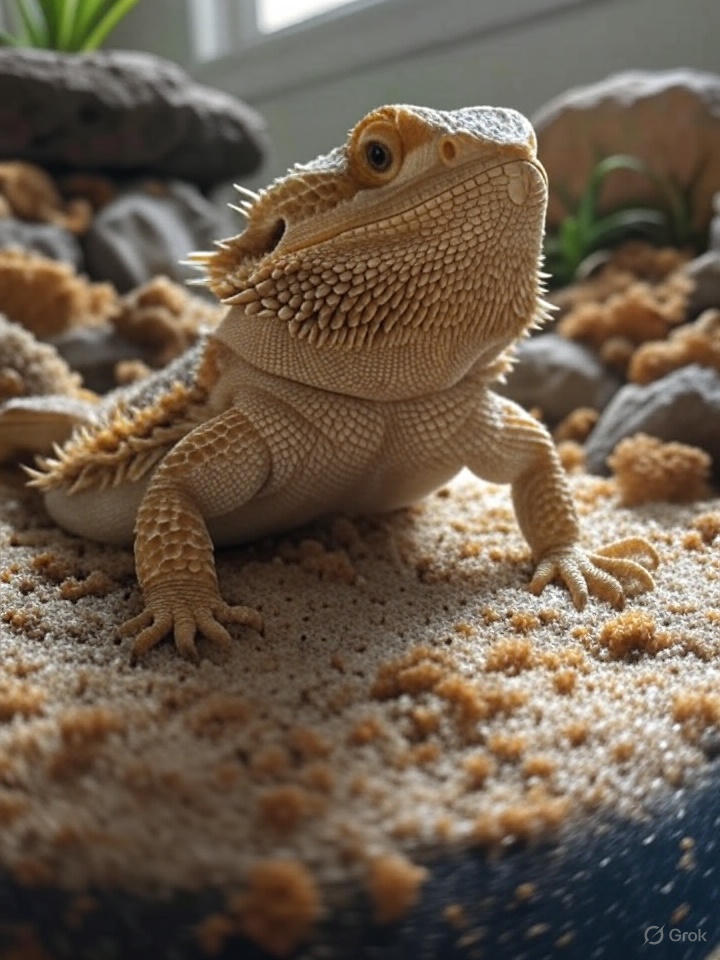
Breeding bearded dragons before they are fully mature, typically under 18-24 months, poses significant health risks to both the dragons and their offspring. Young dragons lack the physical development needed for safe reproduction, leading to complications that can affect their long-term well-being. This guide outlines the specific risks of breeding bearded dragons too young, their causes, and how to prevent them, ensuring owners make informed decisions. Whether you’re considering breeding or caring for a young dragon, these insights will help protect your pet’s health.
Why Age Matters for Breeding Bearded Dragons
Bearded dragons (Pogona vitticeps) require full physical maturity to handle the demands of breeding. Females need developed reproductive systems to produce and lay eggs safely, while males need sufficient energy reserves for mating. Breeding too young diverts energy from growth, risking serious health issues. Dr. Rachel Kline, a reptile veterinarian, explains, “Breeding bearded dragons before 18-24 months can lead to severe complications, as their bodies are still developing critical systems.” Understanding these risks helps owners prioritize their dragon’s health over early breeding.
Risks of Breeding Bearded Dragons Too Young
Breeding bearded dragons before they reach maturity (18-24 months or 350-400 grams for females) can result in the following health risks:
- Egg-Binding (Dystocia):
- Description: Young females may develop eggs but lack the pelvic width or strength to lay them, leading to egg-binding, a condition where eggs remain stuck in the reproductive tract.
- Impact: Causes pain, lethargy, and potential death if untreated. Veterinary intervention, such as surgery, may be required.
- Cause: Underdeveloped reproductive systems and insufficient calcium reserves in young females.
- Stunted Growth:
- Description: Breeding diverts energy from growth to reproduction, resulting in smaller, weaker dragons.
- Impact: Leads to reduced size, weakened bones, and lower resilience to stress or illness.
- Cause: Young dragons prioritize egg production or mating over skeletal and muscle development.
- Nutritional Deficiencies:
- Description: Young dragons need high nutrient intake for growth, but breeding increases demands for calcium and vitamins, leading to deficiencies.
- Impact: Can cause metabolic bone disease (MBD), characterized by soft bones, tremors, or fractures.
- Cause: Inadequate diet or supplementation during the high-energy demands of breeding.
- Stress and Exhaustion:
- Description: Breeding is physically taxing, and young dragons lack the stamina to cope, leading to stress-related behaviors like hiding or aggression.
- Impact: Weakens immunity, increasing susceptibility to infections like respiratory issues or parasites.
- Cause: Immature bodies are overwhelmed by the energy demands of mating or egg-laying.
- Reduced Offspring Viability:
- Description: Eggs from young females may be smaller or less developed, leading to weaker hatchlings or lower hatching success.
- Impact: Results in unhealthy offspring or failed clutches, wasting resources and risking the female’s health.
- Cause: Incomplete reproductive development leads to poor egg quality.
| Risk | Description | Impact | Prevention Tool/Product |
|---|---|---|---|
| Egg-Binding | Eggs stuck in reproductive tract | Pain, potential death | Exo Terra Incubator for safe egg hatching |
| Stunted Growth | Reduced size, weak bones | Lifelong weakness | Fluker’s Repti Boost for nutrition |
| Nutritional Deficiencies | MBD, soft bones | Bone fractures, tremors | Zoo Med ReptiSun UVB Bulb for vitamin D3 |
| Stress/Exhaustion | Weakened immunity | Infections, aggression | Exo Terra Cocount Cave for stress relief |
| Reduced Offspring Viability | Weak hatchlings, failed clutches | Unhealthy offspring | Fluker’s Digital Thermometer/Hygrometer for conditions |
As an Amazon Associate, I earn from qualifying purchases. Tools like the Exo Terra Cocount Cave help reduce stress in young dragons, preventing breeding-related complications.
Causes of These Risks
The risks stem from the following factors:
- Immature Reproductive Systems: Dragons under 18 months lack fully developed reproductive organs, increasing complications like egg-binding.
- Energy Allocation: Young dragons need energy for growth, but breeding redirects it to reproduction, causing deficiencies and stunted growth.
- Inadequate Husbandry: Poor lighting, diet, or tank conditions exacerbate risks. For example, insufficient UVB exposure from a bulb like the Zoo Med ReptiSun UVB Bulb can lead to MBD.
- Stress from Breeding: The physical and hormonal stress of mating or egg-laying overwhelms young dragons, weakening their health.
How to Prevent Breeding Risks
To avoid the dangers of breeding too young, follow these preventive measures:
- Wait Until Maturity:
- Delay breeding until females are 18-24 months old and at least 350-400 grams, with a robust body condition. Males should also be 18-24 months to ensure stamina.
- Consult a reptile veterinarian to confirm your dragon’s readiness for breeding.
- Optimize Nutrition:
- Provide a balanced diet of 70% greens (collards, dandelion) and 30% insects for adults, served in an Exo Terra Feeding Dish to prevent substrate ingestion.
- Use Fluker’s Repti Boost for young or gravid dragons showing signs of weakness to boost nutrition. Dust food with calcium 3-4 times weekly and multivitamins 1-2 times weekly.
- Maintain Proper Tank Conditions:
- Ensure a basking spot of 95-110°F (100-115°F for juveniles) and a cool side of 75-80°F, monitored with a Fluker’s Digital Thermometer/Hygrometer.
- Use a Zoo Med ReptiSun UVB Bulb for a 12-hour light cycle to support vitamin D3 synthesis and bone health, reducing MBD risk.
- Provide an Exo Terra Cocount Cave to reduce stress, especially for gravid females.
- Use Proper Incubation for Eggs:
- If breeding occurs, use an Exo Terra Incubator to maintain 82-86°F and 70-80% humidity for eggs, ensuring healthy hatching and reducing female stress.
- Monitor incubator conditions with a Fluker’s Digital Thermometer/Hygrometer to prevent egg failure.
- Monitor Health and Behavior:
- Watch for signs of stress (e.g., hiding, aggression) or health issues (e.g., lethargy, soft bones) in young dragons. Schedule regular vet checkups to catch issues early.
- Avoid pairing young dragons with mates to prevent premature breeding attempts.
The Bearded Dragon Care Checklist helps track nutrition, tank conditions, and vet visits to ensure young dragons grow strong before breeding. The Bearded Dragon Feeding Calculator tailors diets to support healthy development, preventing breeding-related risks.
Common Mistakes to Avoid
Avoid these errors to protect young bearded dragons:
- Breeding Too Early: Pairing dragons before 18 months increases risks like egg-binding. Wait until maturity.
- Inadequate Nutrition: Poor diet leads to deficiencies. Use Fluker’s Repti Boost for young dragons needing extra support.
- Improper Tank Setup: Suboptimal temperatures or UVB weaken dragons. Monitor with a Fluker’s Digital Thermometer/Hygrometer.
- Ignoring Stress Signs: Overlooking behaviors like hiding can miss early health issues. Provide an Exo Terra Cocount Cave for comfort.
Myths About Breeding Bearded Dragons
Let’s clear up common misconceptions:
- Myth: “Young dragons can breed as soon as they’re big enough.” Fact: Size doesn’t equal maturity; wait until 18-24 months.
- Myth: “Breeding doesn’t affect growth.” Fact: It can stunt development, risking lifelong weakness.
- Myth: “Egg-binding is rare in young dragons.” Fact: It’s a common risk without proper care, like using an Exo Terra Incubator.
Conclusion
Breeding bearded dragons too young, before 18-24 months, risks egg-binding, stunted growth, nutritional deficiencies, stress, and poor offspring viability. By waiting until maturity, providing proper nutrition with tools like the Exo Terra Feeding Dish, and maintaining optimal conditions with a Fluker’s Digital Thermometer/Hygrometer, you can prevent these issues. The Bearded Dragon Care Checklist and Bearded Dragon Feeding Calculator ensure your dragon is ready for breeding. Have questions about breeding your dragon? Share them in the comments!
About the Author
I’m Dragon King, founder of BeardedBuddies.com and a reptile enthusiast with over seven years raising bearded dragons. I once considered breeding my dragon, Blaze, too early, but proper care with an Exo Terra Cocount Cave and vet advice kept him healthy. I collaborate with reptile experts to share practical, trustworthy advice for dragon owners worldwide. All my tips are based on consultations with herpetologists and standard care practices.
BeardedBuddies.com collaborates with reptile experts to provide accurate, trustworthy care advice. This site participates in the Amazon Associates Program, earning from qualifying purchases.